Bills · HR 1354
IN COMMITTEE· 119TH CONGRESS
House BillHR 1354Civil actions and liabilityAlternative dispute resolution, mediation, arbitration
Justice for All Act of 2025
INTRO FEB 13· LAST ACTION FEB 13
READING
47MIN
COSPONSORS
17
READER REACTIONS0 TOTAL
NO VOTES YET · BE THE FIRST
- Introduced only
LEGISLATIVE PROGRESS
STEP 2 / 8Introduced
In Committee
Reported
Passed House
Passed Senate
Conference
To President
Became Law
WHAT THE BILL DOES
AI-writtenThis bill matters because it changes who can enforce key civil rights protections and how. If this bill becomes law, it would empower individuals to challenge systemic discrimination that might not be intentional but still causes harm. For example, a school admissions test that unintentionally disproportionately disadvantages minority students, or a zoning policy that effectively segregates communities, could be challenged by individuals in court. Without this bill, individuals largely depend on federal agencies to identify and address such "disparate impact" discrimination, which can be a slower and less direct process.
If this bill does not become law, the current situation established by the Supreme Court's Sandoval decision would remain: individuals could still sue for intentional discrimination, but for policies that have an unintentional discriminatory effect, they would primarily have to rely on federal agencies to enforce the relevant civil rights laws. This bill aims to provide a more direct and accessible legal pathway for individuals to seek justice against policies and practices that, despite not being explicitly discriminatory, create unequal outcomes for protected groups.
KEY PROVISIONS
5AI-extractedPROVISION 01
Restores the right for individuals to sue in federal court over policies and practices that result in "disparate impact" discrimination under civil rights laws.
This empowers individuals to seek justice for unintentional discrimination that disproportionately harms protected groups.
PROVISION 02
Clarifies that this right applies to discrimination based on race, color, national origin, sex, age, and disability in federally funded programs and activities.
It ensures broad application of this protection across various critical areas of life, from education to healthcare.
PROVISION 03
Explicitly states that a finding of disparate impact discrimination cannot be based on numerical imbalance alone, implying a need to show the practice is not justified.
This provides a standard for how such claims would be judged, balancing protections with defenses for legitimate practices.
PROVISION 04
Waives sovereign immunity for these private rights of action, ensuring that government entities receiving federal funds can be sued.
It removes a significant legal barrier that could otherwise prevent lawsuits against government-run programs.
PROVISION 05
Affirms that existing federal prohibitions on sex discrimination include discrimination based on sexual orientation, gender identity, and sex stereotypes.
It codifies a modern understanding of sex discrimination in civil rights law, providing clarity and protection for LGBTQ+ individuals.
SPONSORSHIP
1 + 17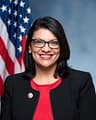
D· Michigan
YRS IN OFFICE
7
BILLS LED
48
COSPONSOR BREAKDOWNBIPARTISAN · 0%
DEM 17 REP 0 IND 0
ACTION TIMELINE
2 EVENTSFEB 13
Introduced in House
FEB 13
Referred to the Committee on the Judiciary, and in addition to the Committee on Education and Workforce, for a period to be subsequently determined by the Speaker, in each case for consideration of such provisions as fall within the jurisdiction of the committee concerned.
BILL INFO
TypeHouse Bill
NumberHR 1354
Congress119th
StatusIn Committee
IntroducedFeb 13, 2025
Last actionFeb 13, 2025
READER REACTIONS
OVERALL SENTIMENT
No reactions yet. Be the first to weigh in.
Discussion
Loading comments...
IN COMMITTEE· 119TH CONGRESS · JUDICIARY COMMITTEE · INTRODUCED FEB 13, 2025
House BillHR 1354Civil actions and liabilityAlternative dispute resolution, mediation, arbitration
Justice for All Act of 2025
INTRODUCED FEB 13, 2025· LAST ACTION FEB 13, 2025
PASSAGE CHANCES
—%
READING
47 min
COSPONSORS
17
COMPLEXITY
Moderate