Bills · HR 1279
IN COMMITTEE· 119TH CONGRESS
House BillHR 1279Employment and training programsState and local government operations
To amend title XIX of the Social Security Act to establish a community engagement requirement for certain individuals under the Medicaid program.
INTRO FEB 13· LAST ACTION FEB 13
READING
4MIN
COSPONSORS
4
READER REACTIONS0 TOTAL
NO VOTES YET · BE THE FIRST
- Introduced only
LEGISLATIVE PROGRESS
STEP 2 / 8Introduced
In Committee
Reported
Passed House
Passed Senate
Conference
To President
Became Law
WHAT THE BILL DOES
AI-writtenThis bill matters because it could fundamentally change who receives Medicaid and under what conditions. For many, Medicaid is a lifeline, providing access to essential healthcare services. Implementing a community engagement requirement could mean that some individuals who struggle to find employment, volunteer opportunities, or childcare, or who face other barriers not covered by the exemptions, could lose their health insurance.
If this bill becomes law, it could lead to increased administrative burdens for states to track compliance and verify activities. It also raises questions about the primary purpose of Medicaid, whether it should be solely a healthcare safety net or also a program tied to work incentives. If it doesn't become law, Medicaid eligibility and federal funding structures would remain as they are, without the added community engagement conditions.
KEY PROVISIONS
5AI-extractedPROVISION 01
Establishes a community engagement requirement for certain adult Medicaid recipients, mandating 80 hours per month of work, community service, or work program participation.
This provision introduces a new condition for Medicaid eligibility for a specific group of adults, potentially impacting their access to health coverage.
PROVISION 02
Defines 'applicable individuals' who are subject to this requirement, while explicitly exempting several vulnerable populations like the elderly, disabled, pregnant, and caregivers.
The definition clarifies who would and would not be subject to the new requirements, protecting certain groups from losing coverage.
PROVISION 03
Withholds federal Medicaid matching funds from states for medical assistance provided to applicable individuals who fail to meet the engagement requirement for three or more months in a calendar year.
This creates a financial incentive for states to enforce the requirement and could lead to significant financial implications for state budgets if individuals are not compliant.
PROVISION 04
Gives states the option to disenroll an applicable individual from Medicaid if federal financial participation for their medical assistance is withheld due to non-compliance.
This provision grants states the power to remove non-compliant individuals from Medicaid, directly impacting their healthcare access.
PROVISION 05
Requires State Medicaid agencies to prioritize existing databases for verifying compliance with community engagement requirements before seeking additional verification from individuals.
This aims to streamline the verification process and potentially reduce the burden on individuals, but still requires robust data systems.
SPONSORSHIP
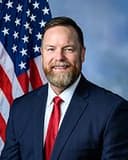
1 + 4
R· Florida
YRS IN OFFICE
3
BILLS LED
25
COSPONSOR BREAKDOWNBIPARTISAN · 0%
DEM 0 REP 4 IND 0
ACTION TIMELINE
2 EVENTSFEB 13
Introduced in House
FEB 13
Referred to the House Committee on Energy and Commerce.
BILL INFO
TypeHouse Bill
NumberHR 1279
Congress119th
StatusIn Committee
IntroducedFeb 13, 2025
Last actionFeb 13, 2025
READER REACTIONS
OVERALL SENTIMENT
No reactions yet. Be the first to weigh in.
Discussion
Loading comments...
IN COMMITTEE· 119TH CONGRESS · ENERGY AND COMMERCE COMMITTEE · INTRODUCED FEB 13, 2025
House BillHR 1279Employment and training programsState and local government operations
To amend title XIX of the Social Security Act to establish a community engagement requirement for certain individuals under the Medicaid program.
INTRODUCED FEB 13, 2025· LAST ACTION FEB 13, 2025
PASSAGE CHANCES
—%
READING
4 min
COSPONSORS
4
COMPLEXITY
Moderate