Bills · HR 1210
REPORTED· 119TH CONGRESS
House BillHR 1210Civil actions and liabilityGovernment employee pay, benefits, personnel management
Protecting Taxpayers’ Wallets Act of 2025
INTRO FEB 11· LAST ACTION MAR 25
READING
10MIN
COSPONSORS
3
READER REACTIONS0 TOTAL
NO VOTES YET · BE THE FIRST
- Reported, not passed
LEGISLATIVE PROGRESS
STEP 3 / 8Introduced
In Committee
Reported
Passed House
Passed Senate
Conference
To President
Became Law
WHAT THE BILL DOES
AI-writtenThis bill matters because it fundamentally shifts who pays for certain union activities within the federal government. Currently, the cost of federal employees' "union time" and the use of government resources by unions is largely covered by taxpayer dollars through agency budgets. If this bill becomes law, those costs would be transferred directly to the labor organizations themselves.
This change could significantly impact the financial health and operational capacity of federal employee unions, potentially altering their ability to advocate for their members or engage in collective bargaining. For taxpayers, proponents argue it would reduce government spending and ensure that taxpayer money isn't subsidizing private organizations. Opponents might argue it could weaken federal employee protections by hindering union effectiveness, changing the balance of power between federal agencies and their workforce representatives. The bill's success or failure will determine whether these activities continue to be a shared cost with taxpayers or become solely the responsibility of the unions.
KEY PROVISIONS
5AI-extractedPROVISION 01
Federal agencies must charge labor organizations quarterly fees for the value of "union time" used by their representatives and for any agency resources provided for union use.
This is the central change, shifting the financial burden of these resources from taxpayers to federal labor unions.
PROVISION 02
Fees are calculated based on the hourly pay rate of the union representatives for their union-related work hours and the market rate for agency resources used.
This provision establishes the method for determining the costs unions must pay, providing a clear formula for agencies.
PROVISION 03
Agencies must track union time using their standard employee time and attendance systems, and failure to record union time makes a representative considered absent without leave.
This creates a mandatory system for tracking and accountability of union time, essential for fee calculation and enforcement.
PROVISION 04
Agency determinations regarding fee calculations cannot be challenged as unfair labor practices, collective bargaining issues, or through grievance procedures.
This provision limits the avenues for unions to dispute the fees or their calculation, giving agencies final say.
PROVISION 05
Failure to pay fees results in escalating penalties, including interest charges, denial of further union time and resources, cessation of grievance procedures, termination of union dues allotments, and eventual loss of the union's certification as the exclusive representative.
These significant penalties provide strong enforcement mechanisms to ensure compliance with the new fee requirements, potentially impacting union operations and existence.
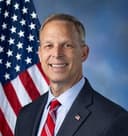
SPONSORSHIP
1 + 3
R· Pennsylvania
YRS IN OFFICE
13
BILLS LED
54
COSPONSOR BREAKDOWNBIPARTISAN · 0%
DEM 0 REP 3 IND 0
ACTION TIMELINE
4 EVENTSMAR 25
Committee Consideration and Mark-up Session Held
MAR 25
Ordered to be Reported (Amended) by the Yeas and Nays: 23 - 21.
FEB 11
Introduced in House
FEB 11
Referred to the House Committee on Oversight and Government Reform.
BILL INFO
TypeHouse Bill
NumberHR 1210
Congress119th
StatusReported
IntroducedFeb 11, 2025
Last actionMar 25, 2025
READER REACTIONS
OVERALL SENTIMENT
No reactions yet. Be the first to weigh in.
Discussion
Loading comments...
REPORTED· 119TH CONGRESS · OVERSIGHT AND GOVERNMENT REFORM COMMITTEE · INTRODUCED FEB 11, 2025
House BillHR 1210Civil actions and liabilityGovernment employee pay, benefits, personnel management
Protecting Taxpayers’ Wallets Act of 2025
INTRODUCED FEB 11, 2025· LAST ACTION MAR 25, 2025
PASSAGE CHANCES
—%
READING
10 min
COSPONSORS
3
COMPLEXITY
Moderate