Bills · HR 1176
IN COMMITTEE· 119TH CONGRESS
House BillHR 1176Employment and training programsStudent aid and college costs
Clock Hour Program Student Protection Act
INTRO FEB 10· LAST ACTION FEB 10
READING
2MIN
COSPONSORS
5
READER REACTIONS0 TOTAL
NO VOTES YET · BE THE FIRST
- Introduced only
LEGISLATIVE PROGRESS
STEP 2 / 8Introduced
In Committee
Reported
Passed House
Passed Senate
Conference
To President
Became Law
WHAT THE BILL DOES
AI-writtenThis bill matters because it directly impacts how students can pay for certain types of career education and how long those programs can be. Many vocational fields, such as nursing assistants, electricians, or cosmetologists, have state-mandated minimum training hours. However, some educators argue that these minimums are often insufficient for truly comprehensive training that prepares students for the complexities of modern jobs. Currently, if a program significantly exceeds these state minimums to offer better training, it risks losing eligibility for federal student aid, which is crucial for many students to afford tuition.
If this bill becomes law, it provides a pathway for longer, potentially more thorough vocational programs to still qualify for federal aid. This could lead to better-prepared graduates in various fields, but it also raises questions about potential increases in tuition costs if programs expand their hours to the maximum allowed. If the bill does not pass, these longer programs would continue to struggle with federal aid eligibility, potentially limiting student access to more in-depth training options.
KEY PROVISIONS
3AI-extractedPROVISION 01
Allows certain vocational training programs to qualify for federal student aid (Title IV) even if they provide more instruction hours than the state's minimum requirement for a specific profession.
This provision offers flexibility for training programs to offer more comprehensive instruction without losing access to crucial federal financial aid for their students.
PROVISION 02
Establishes a maximum length for these programs, stating that the number of clock hours cannot exceed 150% (one and a half times) the minimum hours required by either the state or a relevant federal agency, whichever is greater.
This cap prevents programs from becoming excessively long and costly while still providing room for more extensive training beyond state minimums.
PROVISION 03
The changes will take effect upon the bill's enactment and will apply to the 2024-2025 academic award year and all subsequent award years.
This specifies when the new rules for program eligibility and student aid will begin to be implemented.
SPONSORSHIP
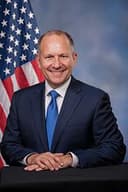
1 + 5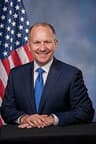
R· Pennsylvania
YRS IN OFFICE
9
BILLS LED
32
COSPONSOR BREAKDOWNBIPARTISAN · 0%
DEM 0 REP 5 IND 0
ACTION TIMELINE
2 EVENTSFEB 10
Introduced in House
FEB 10
Referred to the House Committee on Education and Workforce.
BILL INFO
TypeHouse Bill
NumberHR 1176
Congress119th
StatusIn Committee
IntroducedFeb 10, 2025
Last actionFeb 10, 2025
READER REACTIONS
OVERALL SENTIMENT
No reactions yet. Be the first to weigh in.
Discussion
Loading comments...
IN COMMITTEE· 119TH CONGRESS · EDUCATION AND WORKFORCE COMMITTEE · INTRODUCED FEB 10, 2025
House BillHR 1176Employment and training programsStudent aid and college costs
Clock Hour Program Student Protection Act
INTRODUCED FEB 10, 2025· LAST ACTION FEB 10, 2025
PASSAGE CHANCES
—%
READING
2 min
COSPONSORS
5
COMPLEXITY
Moderate