Bills · HR 1145
IN COMMITTEE· 119TH CONGRESS
House BillHR 1145Civil actions and liabilityExecutive Office of the President
Nobody Elected Elon Musk Act
INTRO FEB 7· LAST ACTION FEB 7
READING
1MIN
COSPONSORS
26
READER REACTIONS0 TOTAL
NO VOTES YET · BE THE FIRST
- Introduced only
LEGISLATIVE PROGRESS
STEP 2 / 8Introduced
In Committee
Reported
Passed House
Passed Senate
Conference
To President
Became Law
WHAT THE BILL DOES
AI-writtenThis bill matters because it fundamentally changes how accountability is handled for a specific, high-level government role. Currently, government employees are largely shielded from personal financial liability for actions taken as part of their official duties, with the government generally responsible for claims. This bill introduces a strong personal incentive for the leader of a future "Department of Government Efficiency" to avoid mismanagement or legal violations, as they would be on the hook financially.
If this bill becomes law, it could either attract highly cautious and responsible leaders to such a department or deter qualified individuals from taking on the role due to the immense personal risk involved. It also signals a desire to increase individual accountability for government actions, shifting potential financial burdens from the public to the specific official deemed responsible.
KEY PROVISIONS
3AI-extractedPROVISION 01
Makes the special Government employee managing the Department of Government Efficiency personally liable for claims against the Federal Government related to that department's activities.
This provision shifts financial responsibility from the government and taxpayers directly to the individual leader of the department.
PROVISION 02
Specifies that this personal liability applies despite any other conflicting laws, indicating a strong override of existing protections for government employees.
It ensures the personal liability is a dominant legal principle for this specific role, removing potential legal loopholes.
PROVISION 03
Lists examples of claims for which the individual would be liable, including violations of federal labor laws, data privacy laws, threats to national or domestic security, and federal appropriations laws.
These examples clarify the broad scope of activities for which the manager would be held personally accountable.
SPONSORSHIP
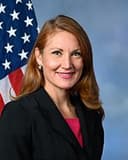
1 + 26
D· New Mexico
YRS IN OFFICE
5
BILLS LED
28
COSPONSOR BREAKDOWNBIPARTISAN · 0%
DEM 26 REP 0 IND 0
ACTION TIMELINE
2 EVENTSFEB 7
Introduced in House
FEB 7
Referred to the House Committee on the Judiciary.
BILL INFO
TypeHouse Bill
NumberHR 1145
Congress119th
StatusIn Committee
IntroducedFeb 7, 2025
Last actionFeb 7, 2025
READER REACTIONS
OVERALL SENTIMENT
No reactions yet. Be the first to weigh in.
Discussion
Loading comments...
IN COMMITTEE· 119TH CONGRESS · JUDICIARY COMMITTEE · INTRODUCED FEB 7, 2025
House BillHR 1145Civil actions and liabilityExecutive Office of the President
Nobody Elected Elon Musk Act
INTRODUCED FEB 7, 2025· LAST ACTION FEB 7, 2025
PASSAGE CHANCES
—%
READING
1 min
COSPONSORS
26
COMPLEXITY
Moderate