Bills · HR 1138
IN COMMITTEE· 119TH CONGRESS
House BillHR 1138Finance and Financial Sector
Payment Choice Act of 2025
INTRO FEB 7· LAST ACTION FEB 7
READING
8MIN
COSPONSORS
25BIPARTISAN
READER REACTIONS0 TOTAL
NO VOTES YET · BE THE FIRST
- Introduced only
LEGISLATIVE PROGRESS
STEP 2 / 8Introduced
In Committee
Reported
Passed House
Passed Senate
Conference
To President
Became Law
WHAT THE BILL DOES
AI-writtenThis bill matters because it addresses a growing trend where some businesses are becoming cashless, which can create significant barriers for millions of Americans. If this bill becomes law, it would guarantee that cash remains a viable and accepted form of payment at most physical retail locations, preventing situations where individuals, particularly those who are unbanked or underbanked, are excluded from purchasing essential goods and services.
Without this bill, the shift towards cashless operations could continue, potentially marginalizing vulnerable populations and limiting payment options for all consumers. By requiring cash acceptance and prohibiting cash surcharges, the bill aims to promote financial inclusion, protect consumer choice, and ensure the universal functionality of U.S. currency in everyday transactions, connecting to the real issue of access to goods and services for all citizens.
KEY PROVISIONS
5AI-extractedPROVISION 01
Physical retail businesses that accept in-person payments must accept cash for transactions up to $500.
This ensures consumers can use cash for most everyday purchases, protecting access for those without other payment methods.
PROVISION 02
Businesses are prohibited from charging cash-paying customers higher prices than those paying with other methods.
This prevents discrimination against cash users and ensures fair pricing regardless of payment choice.
PROVISION 03
Businesses can be exempt from accepting cash if they have a temporary system failure, insufficient change, or provide a free, no-fee cash-to-prepaid card conversion device on premises.
These exceptions provide flexibility for businesses while still aiming to facilitate cash payments.
PROVISION 04
For five years, businesses can refuse $50 bills and larger; after that, the Treasury Secretary will issue rules requiring acceptance of $1, $5, $10, and $20 bills.
This balances business concerns about large bills with the overall goal of ensuring cash acceptance for common denominations.
PROVISION 05
Customers can issue a 45-day notice to businesses violating the rules; if not resolved, they can file a civil lawsuit for actual damages (or $250 liquidated damages) and civil penalties ($500 for first offense, $1500 for subsequent).
This provides a mechanism for customers to enforce their right to pay with cash and for businesses to be held accountable.
SPONSORSHIP
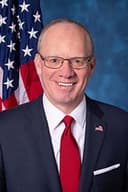
1 + 25
R· Tennessee
YRS IN OFFICE
7
BILLS LED
15
COSPONSOR BREAKDOWNBIPARTISAN · 96%
DEM 12 REP 13 IND 0
ACTION TIMELINE
2 EVENTSFEB 7
Introduced in House
FEB 7
Referred to the House Committee on Financial Services.
BILL INFO
TypeHouse Bill
NumberHR 1138
Congress119th
StatusIn Committee
IntroducedFeb 7, 2025
Last actionFeb 7, 2025
READER REACTIONS
OVERALL SENTIMENT
No reactions yet. Be the first to weigh in.
Discussion
Loading comments...
IN COMMITTEE· 119TH CONGRESS · FINANCIAL SERVICES COMMITTEE · INTRODUCED FEB 7, 2025
House BillHR 1138Finance and Financial Sector
Payment Choice Act of 2025
INTRODUCED FEB 7, 2025· LAST ACTION FEB 7, 2025
PASSAGE CHANCES
—%
READING
8 min
COSPONSORS
25
COMPLEXITY
Moderate