Fair Play Enforcement Act
Taxes colleges and universities that knowingly let certain bettors or people with professional sports franchise experience compete.
In the House Ways and Means Committee since Oct. 6, 2026, 2 days after it was introduced. Most bills never leave committee.
- INTRODUCEDINTROOCT 6, 2026
- COMMITTEECOMM.IN COMMITTEE
- HOUSEHOUSE—
- SENATESENATE—
- LAWLAW—
What the bill would do, and why it matters
College sports eligibility rules determine who may take part in intercollegiate competition. The Fair Play Enforcement Act would tax colleges and universities that knowingly let certain bettors or people with professional sports franchise experience actively compete. The tax would be based on athletic-program receipts and rise with repeated violations.
- INTRODUCED ONLY This bill has been introduced and possibly referred to a committee, but it has not passed any vote. Most introduced bills never become law — they die in committee without a hearing.
- DATA NOTE No Congressional Research Service summary was available.
- Taxes schools for covered participation
A college or university that knowingly allows a specified individual to actively compete in an intercollegiate event would owe a tax based on its gross receipts connected to its athletic programs. The rate would be 5 percent for one violation, 10 percent for two, and 20 percent for more than two violations during the current and preceding five taxable years.
- Defines who counts as specified
A specified individual is someone who has placed a wager on an intercollegiate event or someone employed as an athlete by, and listed on the roster of, a professional sports franchise for a similar event. The tax would apply when the school knowingly allows that person to actively participate.
- Excludes practices and court-ordered play
Practice participation and appearing on a roster without actively competing would not count as violations. Active participation under a court order would also be excluded; violations arising from the same facts and circumstances may be counted as one.
- Applies the tax after enactment
The tax provisions would apply to taxable years ending after the Act's enactment. The Treasury Secretary would issue regulations or other guidance to carry out the tax.
The bill does not state a specific problem or finding. Its practical effect would be to make a school's decision to allow covered individuals to compete carry a financial consequence tied to the institution's athletic receipts, with higher tax rates for repeated violations.
Written from the bill text.
The path it took, step by step
- IntroducedOCT 6, 2026HOUSEOCT 6, 2026By Rep. Smith with 1 original cosponsorReferred to Ways and Means
- SAME DAYNOWHouse committeeOCT 6, 2026WAYS & MEANS NOWOCT 6, 2026In committee for 2 daysNo hearing yet
- 2 DAYS SO FARPassed the House—HOUSE FLOOR—Not scheduled
- Senate committee—SENATE—
- Passed the Senate—SENATE FLOOR—Not scheduled
- Resolve differencesONLY IF NEEDEDBOTH CHAMBERSONLY IF NEEDEDSkipped if the other chamber passes the same text
- Signed into law—PRESIDENT—10 days to sign or veto
- OCT 62026OCT 6, 2026REFERREDHOUSEReferred to the House Committee on Ways and Means.
- OCT 62026OCT 6, 2026INTRODUCEDHOUSEIntroduced in House
At day 2, this bill is already older than 1% of the laws passed this Congress were when they were signed.
Where your members stand on it
Support from one state
Plus the sponsor, a Republican. Every cosponsor is from one party.
Plus the sponsor, a Republican. Every cosponsor is from one party.
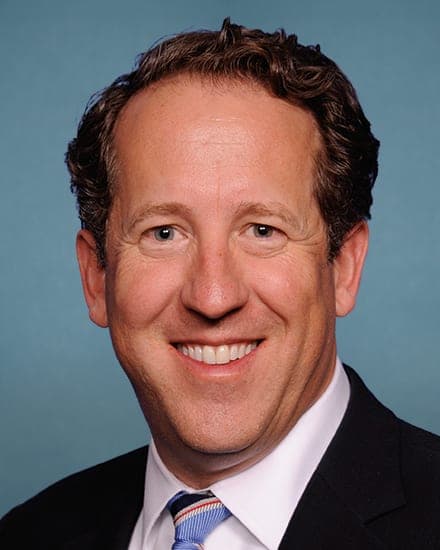
Rep. Smith’s record: sponsored 28 bills this Congress. 1 passed the House; 0 became law.
- Brendan F. BoyleD-PA-2ORIGINAL
What readers think
Discussion
Get an alert when it changes stage, gets a floor vote in the House, or is signed into law.