Know Your Risk Act
Requires a federal report on breast cancer risk tools and expands grant-supported assessments, education, research, and state reporting.
In the House Energy and Commerce Committee since Oct. 6, 2026, 2 days after it was introduced. Most bills never leave committee.
- INTRODUCEDINTROOCT 6, 2026
- COMMITTEECOMM.IN COMMITTEE
- HOUSEHOUSE—
- SENATESENATE—
- LAWLAW—
What the bill would do, and why it matters
Breast cancer risk tools help estimate a person’s chance of developing the disease and can inform screening decisions. The bill would require a federal report on the tools and planning for a comprehensive public tool. It would also expand activities supported by a grant program and require states receiving those grants to report assessment and follow-up information.
- INTRODUCED ONLY This bill has been introduced and possibly referred to a committee, but it has not passed any vote. Most introduced bills never become law — they die in committee without a hearing.
- DATA NOTE No Congressional Research Service summary was available.
- Requires a federal review of risk tools
The Secretary of Health and Human Services would report to Congress within 180 days after enactment on inaccuracies in existing breast cancer risk tools, gaps in their use across populations, and factors behind those problems. The report would also outline planning for a comprehensive, publicly accessible tool, public awareness strategies, and ways to build agreement among patients, providers, researchers, and other organizations.
- Expands activities eligible for grants
The bill would add evidence-based breast cancer risk assessments, training on validated models, and use of standardized tools in appropriate clinical settings—including through electronic health records—to activities supported by the relevant Public Health Service Act grant program. It would also add public education and research to improve models’ accuracy across racial, ethnic, geographic, and age groups.
- Requires states to report grant-program results
States receiving grants would have to report information the Secretary requests about risk assessments, elevated-risk findings, referrals for follow-up services, and disparities in access. The Secretary could not make a grant unless the state agrees to submit the required report and any other reports the Secretary requests.
The bill cites the existence of multiple risk assessment tools but says there is no single, widely recognized one. It also says that improving awareness and access could help address disparities in early detection and treatment.
The bill’s findings describe risk assessment tools as a way to help providers estimate breast cancer risk and guide screening, detection, treatment, and prevention strategies. Better information about their accuracy and use could help inform how these tools are developed and used.
Written from the bill text.
The path it took, step by step
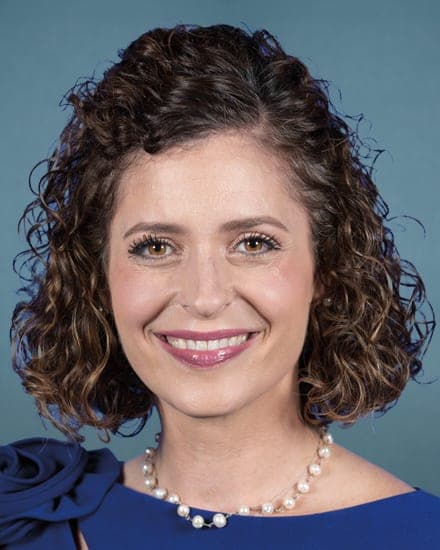
- IntroducedOCT 6, 2026HOUSEOCT 6, 2026By Rep. LetlowReferred to Energy and Commerce
- SAME DAYNOWHouse committeeOCT 6, 2026ENERGY & COMMERCE NOWOCT 6, 2026In committee for 2 daysNo hearing yet
- 2 DAYS SO FARPassed the House—HOUSE FLOOR—Not scheduled
- Senate committee—SENATE—
- Passed the Senate—SENATE FLOOR—Not scheduled
- Resolve differencesONLY IF NEEDEDBOTH CHAMBERSONLY IF NEEDEDSkipped if the other chamber passes the same text
- Signed into law—PRESIDENT—10 days to sign or veto
- OCT 62026OCT 6, 2026REFERREDHOUSEReferred to the House Committee on Energy and Commerce.
- OCT 62026OCT 6, 2026INTRODUCEDHOUSEIntroduced in House
At day 2, this bill is already older than 1% of the laws passed this Congress were when they were signed.
Where your members stand on it
What readers think
Discussion
Get an alert when it changes stage, gets a floor vote in the House, or is signed into law.