Anthony Amoros Law Right to Know Act
Requires sellers of covered used vehicles to disclose missing or disabled airbag systems and creates civil and criminal penalties for violations.
In two House committees since Oct. 6, 2026, 2 days after it was introduced. Most bills never leave committee.
- INTRODUCEDINTROOCT 6, 2026
- COMMITTEECOMM.IN COMMITTEE
- HOUSEHOUSE—
- SENATESENATE—
- LAWLAW—
What the bill would do, and why it matters
A used-car buyer may not know whether a vehicle's airbag system is missing or disabled. The bill would require sellers of covered vehicles to ensure the system works or provide a clear warning. It would also allow civil enforcement and impose criminal penalties for knowingly selling certain deficient vehicles without disclosure.
- INTRODUCED ONLY This bill has been introduced and possibly referred to a committee, but it has not passed any vote. Most introduced bills never become law — they die in committee without a hearing.
- DATA NOTE No Congressional Research Service summary was available.
- Require clear airbag disclosures
For a covered vehicle—a motor vehicle manufactured on or after September 1, 1997—the seller would have to ensure the vehicle has a functional airbag system or disclose that the system is missing or disabled. The disclosure must be in at least ten-point bold type on the front of a sale document and, for a physical disclosure, on a conspicuous sign affixed to the windshield; sellers must also disclose if an inflatable restraint system is absent or not working.
- Allow federal and state enforcement
The Federal Trade Commission would enforce violations as unfair or deceptive acts or practices. State attorneys general and certain state officials could bring civil actions for residents, including seeking an injunction, compliance, damages, restitution, or other relief; the FTC could intervene, and a state action would be restricted while a federal action against the same defendant for the same alleged violation is pending.
- Create criminal penalties for knowing sales
Knowingly selling a covered vehicle with a covered deficiency without written or physical disclosure would be a federal crime. Penalties would range from a fine or up to 10 years in prison for an attempt or other cases, to up to 20 years for serious bodily injury and any term of years or life if a death results.
- Permit added damages for death or paralysis
A court could award an additional amount of up to $25,000 in an action involving death or paralysis. The bill says these provisions would not limit or otherwise affect personal injury or wrongful-death actions.
The practical stakes are whether someone buying a used vehicle is told about a missing or disabled airbag system before the sale. The bill would make that information a required part of covered vehicle sales and provide civil and criminal consequences for certain violations.
Written from the bill text.
The path it took, step by step
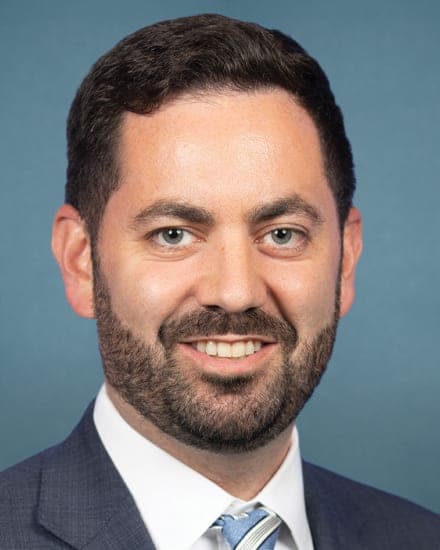
- IntroducedOCT 6, 2026HOUSEOCT 6, 2026By Rep. LawlerReferred to Energy and Commerce and Judiciary
- SAME DAYNOWHouse committeesOCT 6, 2026ENERGY & COMMERCE · JUDICIARY NOWOCT 6, 2026In committee for 2 daysNo hearing yet
- 2 DAYS SO FARPassed the House—HOUSE FLOOR—Not scheduled
- Senate committee—SENATE—
- Passed the Senate—SENATE FLOOR—Not scheduled
- Resolve differencesONLY IF NEEDEDBOTH CHAMBERSONLY IF NEEDEDSkipped if the other chamber passes the same text
- Signed into law—PRESIDENT—10 days to sign or veto
- OCT 62026OCT 6, 2026REFERREDReferred to the Committee on Energy and Commerce, and in addition to the Committee on the Judiciary, for a period to be subsequently determined by the Speaker, in each case for consideration of such provisions as fall within the jurisdiction of the committee concerned.
- OCT 62026OCT 6, 2026INTRODUCEDHOUSEIntroduced in House
At day 2, this bill is already older than 1% of the laws passed this Congress were when they were signed.
Where your members stand on it
Coverage at a glance
Outlets that covered this bill, by their lean.
What readers think
Discussion
Get an alert when it changes stage, gets a floor vote in the House, or is signed into law.