To establish a tariff-funded program to protect United States manufacturers, workers, farmers, and supply chains from disproportionate economic harm resulting from tariffs and foreign retaliatory measures, to encourage domestic investment and reshoring, and for other purposes.
Creates a tariff-funded program to protect U.S. manufacturers, workers, farmers, and supply chains and encourage domestic investment and reshoring.
In two House committees since Oct. 6, 2026, 2 days after it was introduced. Most bills never leave committee.
- INTRODUCEDINTROOCT 6, 2026
- COMMITTEECOMM.IN COMMITTEE
- HOUSEHOUSE—
- SENATESENATE—
- LAWLAW—
What the bill would do, and why it matters
Tariffs and foreign retaliation can cause economic harm to businesses, workers, and supply chains. The bill would create a tariff-funded program to protect U.S. manufacturers, workers, farmers, and supply chains from disproportionate harm. It would also aim to encourage domestic investment and reshoring.
- INTRODUCED ONLY This bill has been introduced and possibly referred to a committee, but it has not passed any vote. Most introduced bills never become law — they die in committee without a hearing.
- FULL TEXT UNAVAILABLE Congress.gov has not posted the full bill text yet. The analysis is based on the title and metadata only and may miss substantive provisions.
- DATA NOTE No Congressional Research Service summary was available.
- Create a tariff-funded protection program
The program would aim to protect U.S. manufacturers, workers, farmers, and supply chains from disproportionate economic harm resulting from tariffs and foreign retaliatory measures. The title does not specify who would qualify or how assistance would work.
- Encourage domestic investment and reshoring
The program would also aim to encourage investment in the United States and the return of production to the country. The title does not describe the incentives or other methods it would use.
The bill’s stated purpose is to address economic harm linked to tariffs and foreign retaliation while encouraging more investment and production in the United States. The practical effects would depend on how the program defined eligible harms and delivered support.
Written from the official record.
The path it took, step by step
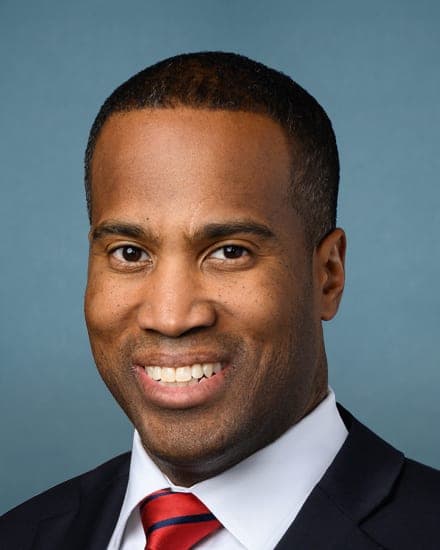
- IntroducedOCT 6, 2026HOUSEOCT 6, 2026By Rep. JamesReferred to Financial Services and Ways and Means
- SAME DAYNOWHouse committeesOCT 6, 2026FINANCIAL SERVICES · WAYS & MEANS NOWOCT 6, 2026In committee for 2 daysNo hearing yet
- 2 DAYS SO FARPassed the House—HOUSE FLOOR—Not scheduled
- Senate committee—SENATE—
- Passed the Senate—SENATE FLOOR—Not scheduled
- Resolve differencesONLY IF NEEDEDBOTH CHAMBERSONLY IF NEEDEDSkipped if the other chamber passes the same text
- Signed into law—PRESIDENT—10 days to sign or veto
- OCT 62026OCT 6, 2026REFERREDReferred to the Committee on Financial Services, and in addition to the Committee on Ways and Means, for a period to be subsequently determined by the Speaker, in each case for consideration of such provisions as fall within the jurisdiction of the committee concerned.
- OCT 62026OCT 6, 2026INTRODUCEDHOUSEIntroduced in House
At day 2, this bill is already older than 1% of the laws passed this Congress were when they were signed.
Where your members stand on it
What readers think
Discussion
Get an alert when it changes stage, gets a floor vote in the House, or is signed into law.