Tribal Veterans Voucher Flexibility Act
Creates a voluntary process to shift unused Tribal HUD-VASH vouchers to tribal housing entities seeking more.
In the House Financial Services Committee since Oct. 6, 2026, 2 days after it was introduced. Most bills never leave committee.
- INTRODUCEDINTROOCT 6, 2026
- COMMITTEECOMM.IN COMMITTEE
- HOUSEHOUSE—
- SENATESENATE—
- LAWLAW—
What the bill would do, and why it matters
Tribal housing entities may have different needs for Tribal HUD-VASH vouchers. The bill would let entities voluntarily offer unused vouchers for reallocation to entities seeking more, while protecting future allocation consideration for those that volunteer. It would also require HUD to report on voucher distribution and whether more vouchers may be needed.
- INTRODUCED ONLY This bill has been introduced and possibly referred to a committee, but it has not passed any vote. Most introduced bills never become law — they die in committee without a hearing.
- DATA NOTE No Congressional Research Service summary was available.
- Create voluntary voucher reallocation
HUD would establish a process for Tribes and Tribally Designated Housing Entities to voluntarily report unused Tribal HUD-VASH vouchers and for entities needing vouchers to notify HUD. HUD could reallocate vouchers from entities that do not expect to need them in the following fiscal year.
- Protect future voucher consideration
A Tribe or Tribally Designated Housing Entity would not be disadvantaged when future voucher allocations are considered because it chose to have unused vouchers reallocated.
- Report on voucher needs
HUD would report unused vouchers by Tribe or housing entity, recipients of reallocated vouchers, entities with too few vouchers, recommendations for distributing unused vouchers, and whether the program may need more vouchers overall.
The bill addresses a possible mismatch: some tribal housing entities may have unused vouchers while others report needing more. Reallocating vouchers could help direct existing assistance toward entities seeking it, while the required report would examine whether the overall supply is also insufficient.
Written from the bill text.
The path it took, step by step
- IntroducedOCT 6, 2026HOUSEOCT 6, 2026By Rep. Crane with 1 original cosponsorReferred to Financial Services
- SAME DAYNOWHouse committeeOCT 6, 2026FINANCIAL SERVICES NOWOCT 6, 2026In committee for 2 daysNo hearing yet
- 2 DAYS SO FARPassed the House—HOUSE FLOOR—Not scheduled
- Senate committee—SENATE—
- Passed the Senate—SENATE FLOOR—Not scheduled
- Resolve differencesONLY IF NEEDEDBOTH CHAMBERSONLY IF NEEDEDSkipped if the other chamber passes the same text
- Signed into law—PRESIDENT—10 days to sign or veto
- OCT 62026OCT 6, 2026REFERREDHOUSEReferred to the House Committee on Financial Services.
- OCT 62026OCT 6, 2026INTRODUCEDHOUSEIntroduced in House
At day 2, this bill is already older than 1% of the laws passed this Congress were when they were signed.
Where your members stand on it
Support from one state
Plus the sponsor, a Republican. Every cosponsor is from one party.
Plus the sponsor, a Republican. Every cosponsor is from one party.
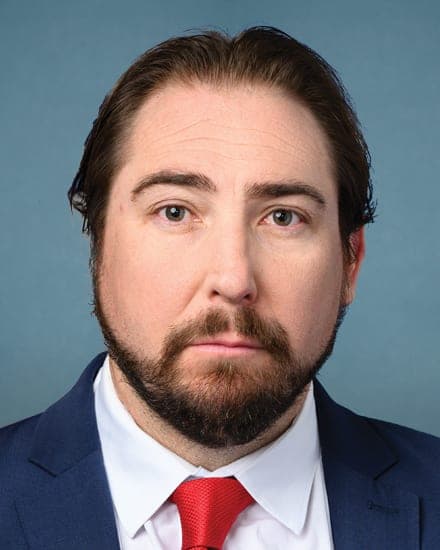
Rep. Crane’s record: sponsored 25 bills this Congress. 4 passed the House; 0 became law.
- Sharice DavidsD-KS-3ORIGINAL
What readers think
Discussion
Get an alert when it changes stage, gets a floor vote in the House, or is signed into law.