Balkans Security Cooperation Act
Requires a Defense Department report on Western Balkan countries’ security cooperation with Russia, China, the United States and NATO.
In the House Foreign Affairs Committee since Oct. 5, 2026, 3 days after it was introduced. Most bills never leave committee.
- INTRODUCEDINTROOCT 5, 2026
- COMMITTEECOMM.IN COMMITTEE
- HOUSEHOUSE—
- SENATESENATE—
- LAWLAW—
What the bill would do, and why it matters
Western Balkan countries work with different foreign partners on security matters. The bill would require a report to Congress on those countries’ cooperation with Russia, China, the United States and NATO. It would also examine a Russian center in Serbia and possible links to Russian intelligence agencies.
- INTRODUCED ONLY This bill has been introduced and possibly referred to a committee, but it has not passed any vote. Most introduced bills never become law — they die in committee without a hearing.
- DATA NOTE No Congressional Research Service summary was available.
- Require a security-cooperation report
The Secretary of Defense, with the Secretary of State’s concurrence, would have to send Congress a report within 180 days after enactment. It would cover Albania, Bosnia and Herzegovina, Croatia, Kosovo, Montenegro, North Macedonia, Serbia and Slovenia.
- Assess Russia and China ties
For each country, the report would assess cooperation with Russia and China, including weapons and other military equipment worth $1 million or more provided or purchased since 2012, training, agreements, intelligence cooperation, and effects on security interests.
- Review U.S. and NATO cooperation
The report would cover each country’s cooperation with the United States and NATO, including U.S. military equipment worth $1 million or more provided or purchased since 2012, training, agreements, intelligence cooperation, and participation in NATO’s Partnership for Peace program, if applicable. It would also assess the Russian Humanitarian Center in Nis, Serbia, including possible influence or coordination with Russian intelligence agencies.
- Submit the report in unclassified form
The report would go to the congressional defense committees and the House Foreign Affairs and Senate Foreign Relations Committees. It would be unclassified, but could include a classified annex.
The report would give Congress a structured account of the region’s security relationships, including military equipment, training, agreements and intelligence cooperation. It would also examine the Russian Humanitarian Center in Nis, Serbia, and possible links with Russian intelligence agencies.
Written from the bill text.
The path it took, step by step
- IntroducedOCT 5, 2026HOUSEOCT 5, 2026By Rep. Torres with 1 original cosponsorReferred to Foreign Affairs
- SAME DAYNOWHouse committeeOCT 5, 2026FOREIGN AFFAIRS NOWOCT 5, 2026In committee for 3 daysNo hearing yet
- 3 DAYS SO FARPassed the House—HOUSE FLOOR—Not scheduled
- Senate committee—SENATE—
- Passed the Senate—SENATE FLOOR—Not scheduled
- Resolve differencesONLY IF NEEDEDBOTH CHAMBERSONLY IF NEEDEDSkipped if the other chamber passes the same text
- Signed into law—PRESIDENT—10 days to sign or veto
- OCT 52026OCT 5, 2026REFERREDHOUSEReferred to the House Committee on Foreign Affairs.
- OCT 52026OCT 5, 2026INTRODUCEDHOUSEIntroduced in House
At day 3, this bill is already older than 3% of the laws passed this Congress were when they were signed.
Where your members stand on it
Support from one state
Plus the sponsor, a Democrat. Every cosponsor is from one party.
Plus the sponsor, a Democrat. Every cosponsor is from one party.
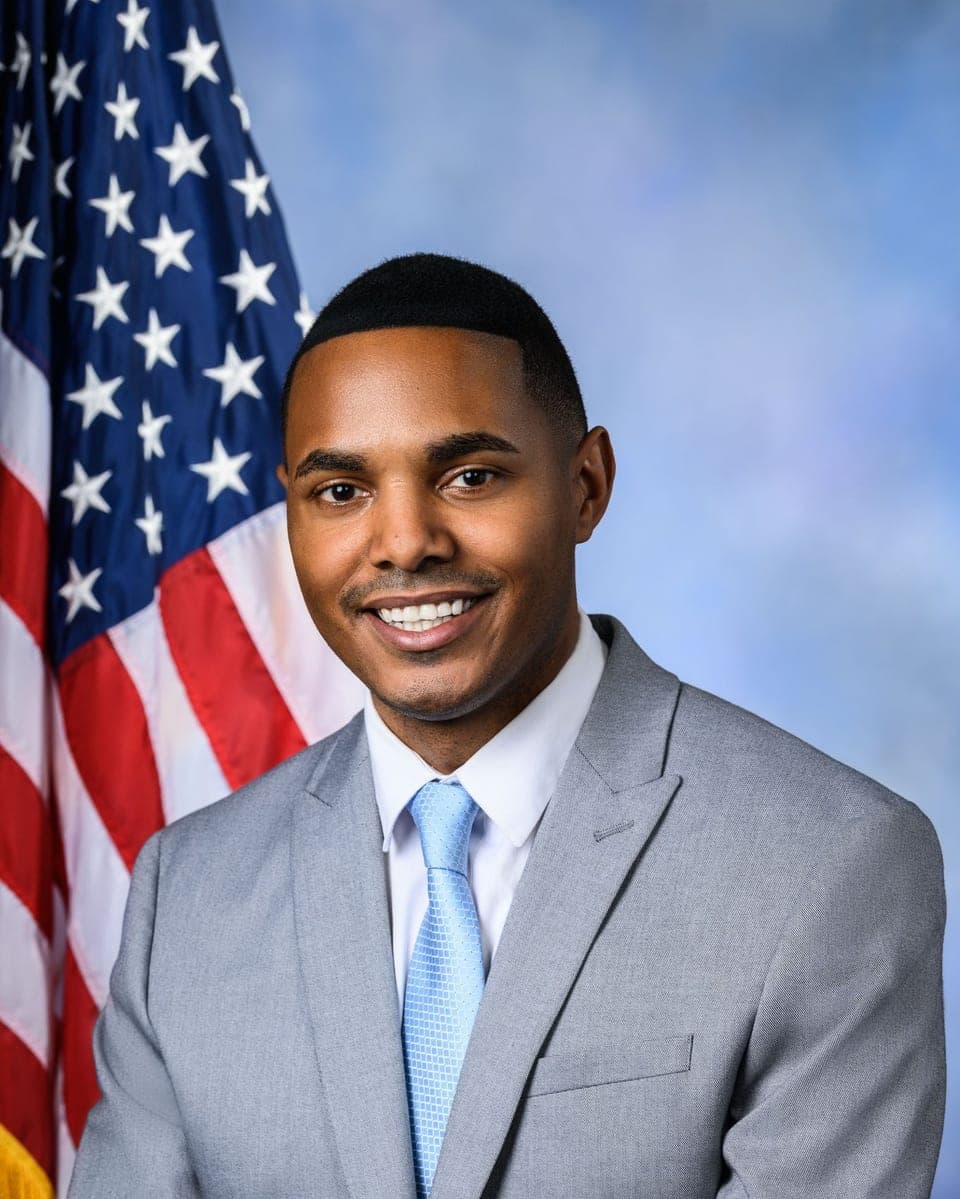
Rep. Torres’s record: sponsored 53 bills this Congress. 1 passed the House; 0 became law.
- Joe WilsonR-SC-2ORIGINAL
What readers think
Discussion
Get an alert when it changes stage, gets a floor vote in the House, or is signed into law.