Affordable Power for Host Communities Act
Sets a 20% electricity-rate discount standard for customers in counties hosting qualifying generation facilities.
In the House Energy and Commerce Committee since Oct. 5, 2026, 3 days after it was introduced. Most bills never leave committee.
- INTRODUCEDINTROOCT 5, 2026
- COMMITTEECOMM.IN COMMITTEE
- HOUSEHOUSE—
- SENATESENATE—
- LAWLAW—
What the bill would do, and why it matters
Power facilities can impose local demands on the counties where they operate. The bill would set a standard for electric customers in qualifying host counties to receive rates 20% below those for customers in the same class elsewhere. State regulators and nonregulated utilities would have to consider the standard and decide whether to adopt it.
- INTRODUCED ONLY This bill has been introduced and possibly referred to a committee, but it has not passed any vote. Most introduced bills never become law — they die in committee without a hearing.
- DATA NOTE No Congressional Research Service summary was available.
- Set a host-county discount standard
The standard calls for electric utilities to charge customers in a host county rates 20% lower than rates for customers in the same class outside that county. A host county is one with a covered generation facility.
- Define covered generation facilities
A facility must generate electricity delivered to local distribution facilities and sold, have a nameplate capacity of at least 5 megawatts, and impose operational, environmental, or infrastructure burdens on its county. The definition includes hydroelectric, geothermal, biomass, solar, and wind facilities and associated federal or state-owned infrastructure.
- Set review deadlines and prior-action exceptions
State regulatory authorities and nonregulated electric utilities would have to begin considering the standard, or set a hearing date, within one year of enactment and complete consideration within two years. Those deadlines would not apply to a utility if the state or utility had already implemented or considered the standard or a comparable one, or the state legislature had voted on it during the preceding three years.
The bill identifies burdens that power facilities can impose on host counties, including land-use restrictions, water-management constraints, wildfire risk tied to transmission infrastructure, and environmental compliance obligations. It seeks to connect those local burdens with lower electric rates for customers in the affected counties.
The bill does not specify how utilities would cover the cost of the discounts. If costs were recovered through other rates, customers outside host counties could face higher bills.
Written from the bill text.
The path it took, step by step
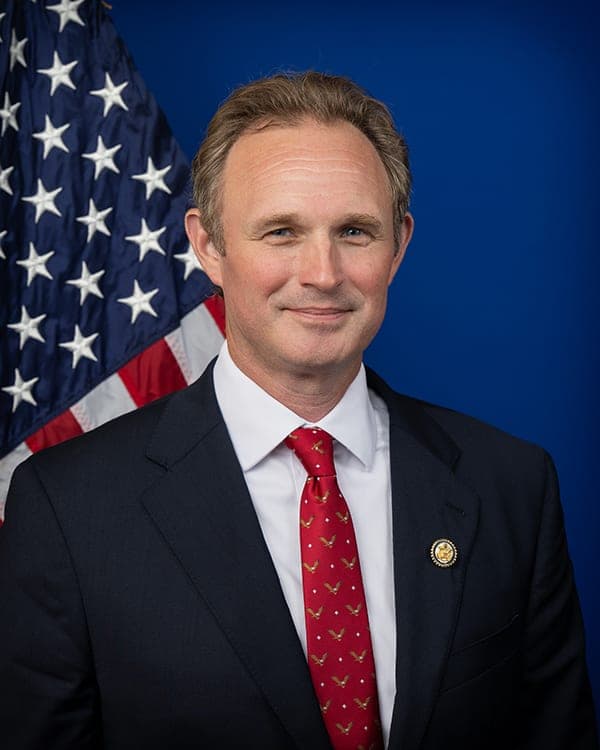
- IntroducedOCT 5, 2026HOUSEOCT 5, 2026By Rep. GallagherReferred to Energy and Commerce
- SAME DAYNOWHouse committeeOCT 5, 2026ENERGY & COMMERCE NOWOCT 5, 2026In committee for 3 daysNo hearing yet
- 3 DAYS SO FARPassed the House—HOUSE FLOOR—Not scheduled
- Senate committee—SENATE—
- Passed the Senate—SENATE FLOOR—Not scheduled
- Resolve differencesONLY IF NEEDEDBOTH CHAMBERSONLY IF NEEDEDSkipped if the other chamber passes the same text
- Signed into law—PRESIDENT—10 days to sign or veto
- OCT 52026OCT 5, 2026REFERREDHOUSEReferred to the House Committee on Energy and Commerce.
- OCT 52026OCT 5, 2026INTRODUCEDHOUSEIntroduced in House
At day 3, this bill is already older than 3% of the laws passed this Congress were when they were signed.
Where your members stand on it
What readers think
Discussion
Get an alert when it changes stage, gets a floor vote in the House, or is signed into law.