Title IX Take Responsibility Act of 2026
Broadens when education entities can be held responsible for sex-based harassment and lets people harmed seek damages in court.
In the House Education and Workforce Committee since Oct. 5, 2026, 3 days after it was introduced. Most bills never leave committee.
- INTRODUCEDINTROOCT 5, 2026
- COMMITTEECOMM.IN COMMITTEE
- HOUSEHOUSE—
- SENATESENATE—
- LAWLAW—
What the bill would do, and why it matters
Sex-based harassment can interfere with a person’s ability to participate in school. The bill would broaden when covered education entities can be held responsible for that harassment and set out steps they can take to show reasonable care. It would also let people bring Title IX lawsuits and seek damages, other relief, and fees.
- INTRODUCED ONLY This bill has been introduced and possibly referred to a committee, but it has not passed any vote. Most introduced bills never become law — they die in committee without a hearing.
- DATA NOTE No Congressional Research Service summary was available.
- Broaden school liability for harassment
A covered education entity would be liable when an employee or agent uses their position to harass someone, wherever it happens, and the harassment interferes with that person’s access to the program. For harassment not enabled by an employee’s or agent’s authority, or committed by someone outside the entity, liability would depend on whether the entity knew or should have known and failed to show reasonable care in responding.
- Set expectations for reasonable responses
To show reasonable care, an entity would need an effective, publicized, and enforced prevention policy and complaint process; prompt, thorough, and impartial investigations when requested or needed to address a significant ongoing threat; supportive measures to preserve or restore access; and appropriate corrective action. Supportive measures would be required regardless of whether the affected person requested an investigation.
- Allow lawsuits and damages
A person harmed by a covered entity’s failure to comply with Title IX or its regulations could bring a civil action. In a case alleging prohibited discrimination, a person could seek equitable and legal relief, including compensatory and punitive damages, as well as attorney’s and expert fees.
The bill cites court decisions that, it says, make it difficult for survivors to obtain damages from schools, including when a school’s response causes educational harm. It also says that harassment can interfere with equal access to education and that survivors may lose academic opportunities, scholarships, or degrees.
The bill’s stated aim is to make remedies more available and encourage covered entities to prevent and address harassment. Its approach would also expose those entities to broader potential liability and lawsuits.
Written from the bill text.
The path it took, step by step
- IntroducedOCT 5, 2026HOUSEOCT 5, 2026By Rep. Dingell with 1 original cosponsorReferred to Education and Workforce
- SAME DAYNOWHouse committeeOCT 5, 2026EDUCATION & WORKFORCE NOWOCT 5, 2026In committee for 3 daysNo hearing yet
- 3 DAYS SO FARPassed the House—HOUSE FLOOR—Not scheduled
- Senate committee—SENATE—
- Passed the Senate—SENATE FLOOR—Not scheduled
- Resolve differencesONLY IF NEEDEDBOTH CHAMBERSONLY IF NEEDEDSkipped if the other chamber passes the same text
- Signed into law—PRESIDENT—10 days to sign or veto
- OCT 52026OCT 5, 2026REFERREDHOUSEReferred to the House Committee on Education and Workforce.
- OCT 52026OCT 5, 2026INTRODUCEDHOUSEIntroduced in House
At day 3, this bill is already older than 3% of the laws passed this Congress were when they were signed.
Where your members stand on it
Support from one state
Plus the sponsor, a Democrat. Every cosponsor is from one party.
Plus the sponsor, a Democrat. Every cosponsor is from one party.
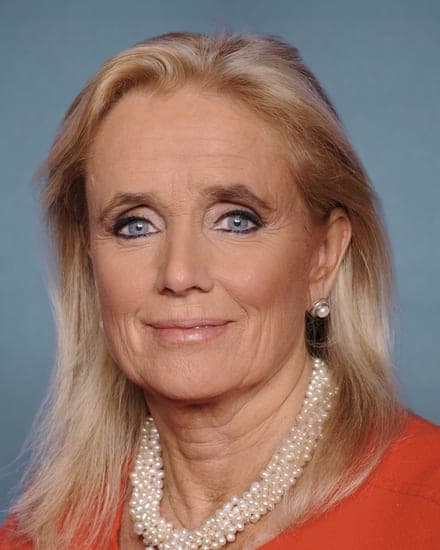
Rep. Dingell’s record: sponsored 85 bills this Congress. 3 passed the House; 0 became law.
- Jahana HayesD-CT-5ORIGINAL
What readers think
Discussion
Get an alert when it changes stage, gets a floor vote in the House, or is signed into law.