No Betting on Your Own Race Act
Bars federal candidates and close family members from trading contracts tied to the candidates’ own election contests.
In the House Administration Committee since Oct. 5, 2026, 3 days after it was introduced. Most bills never leave committee.
- INTRODUCEDINTROOCT 5, 2026
- COMMITTEECOMM.IN COMMITTEE
- HOUSEHOUSE—
- SENATESENATE—
- LAWLAW—
What the bill would do, and why it matters
Election-related contracts let people trade based on the outcome of political events. The bill would bar federal candidates, their spouses and dependent children, and their authorized committees from trading contracts tied to the candidate’s own race or candidacy. It would also require a public, regularly updated candidate list and protect platforms that act in good faith to prevent or report violations.
- INTRODUCED ONLY This bill has been introduced and possibly referred to a committee, but it has not passed any vote. Most introduced bills never become law — they die in committee without a hearing.
- DATA NOTE No Congressional Research Service summary was available.
- Bars candidates from betting on their own races
Candidates for federal office, their spouses and dependent children, and their authorized committees could not buy, sell, hold, or otherwise have a direct or indirect interest in contracts whose payouts depend on the candidate’s race, candidacy, vote share, margin, or placement. A violation would carry a civil fine of $10,000 per violation or three times the net financial gain, whichever is greater; a limited period to divest would apply when someone becomes a candidate.
- Publishes candidate information and gives notice
The Federal Election Commission would maintain a free, publicly available machine-readable list of federal candidates, including their names, offices sought, and dates they became or ceased to be candidates. It would update the list at least weekly and, with state and territory election boards, notify candidates of the law’s requirements when they file.
- Protects platforms acting in good faith
Covered platforms and their staff would not face penalties under this law for a candidate’s prohibited trading. They also would be protected from liability for good-faith steps to prevent or address a violation, such as restricting an account or cancelling a transaction, and for reporting suspected violations to federal authorities.
The bill addresses the possibility that candidates or people closely connected to them could financially benefit from contracts tied to the outcome or details of their own election contests. It would place that trading under a specific prohibition with civil penalties.
Written from the bill text.
The path it took, step by step
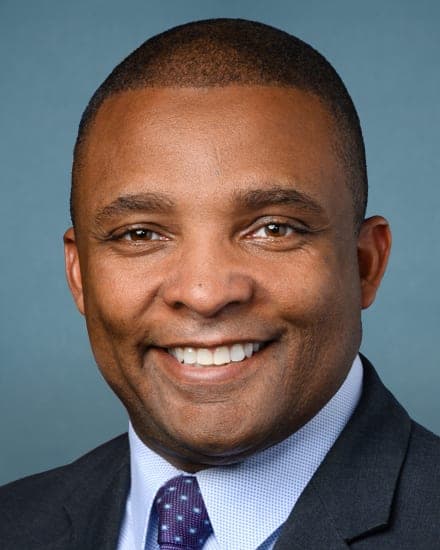
- IntroducedOCT 5, 2026HOUSEOCT 5, 2026By Rep. DavisReferred to Administration
- SAME DAYNOWHouse committeeOCT 5, 2026ADMINISTRATION NOWOCT 5, 2026In committee for 3 daysNo hearing yet
- 3 DAYS SO FARPassed the House—HOUSE FLOOR—Not scheduled
- Senate committee—SENATE—
- Passed the Senate—SENATE FLOOR—Not scheduled
- Resolve differencesONLY IF NEEDEDBOTH CHAMBERSONLY IF NEEDEDSkipped if the other chamber passes the same text
- Signed into law—PRESIDENT—10 days to sign or veto
- OCT 52026OCT 5, 2026REFERREDHOUSEReferred to the House Committee on House Administration.
- OCT 52026OCT 5, 2026INTRODUCEDHOUSEIntroduced in House
At day 3, this bill is already older than 3% of the laws passed this Congress were when they were signed.
Where your members stand on it
What readers think
Discussion
Get an alert when it changes stage, gets a floor vote in the House, or is signed into law.