Nicholas Douglas Quets United States-Mexico Rapid Response for Victims of Crime Act
Authorizes negotiations with Mexico on a rapid-response protocol for serious crimes against U.S. citizens.
In the House Foreign Affairs Committee since Oct. 5, 2026, 3 days after it was introduced. Most bills never leave committee.
- INTRODUCEDINTROOCT 5, 2026
- COMMITTEECOMM.IN COMMITTEE
- HOUSEHOUSE—
- SENATESENATE—
- LAWLAW—
What the bill would do, and why it matters
Serious crimes against U.S. citizens in Mexico can require cooperation between authorities in both countries. The bill would let the United States negotiate a rapid-response protocol with Mexico for coordinating investigations and supporting victims and families. It also requires reports to Congress on negotiations and, if established, the protocol's implementation.
- INTRODUCED ONLY This bill has been introduced and possibly referred to a committee, but it has not passed any vote. Most introduced bills never become law — they die in committee without a hearing.
- DATA NOTE No Congressional Research Service summary was available.
- Authorize talks on a rapid-response protocol
The Secretary of State, working with the Attorney General, may negotiate with Mexico to establish a protocol for responding to serious crimes against U.S. citizens in Mexico. The protocol is intended to help U.S. and Mexican authorities coordinate and investigate cases more quickly.
- Outline possible procedures for cooperation
The Secretary of State may seek procedures for prompt notifications, secure communications, evidence preservation and sharing, extradition coordination, and support and updates for victims or their families. Possible procedures also include privacy and civil-liberties safeguards and joint training.
- Require progress and implementation reports
The Secretary of State must report to designated House and Senate committees on negotiation progress and cooperation with Mexico, then report on implementation and possible improvements after a protocol is established.
The bill cites cartel violence and other serious crimes as threats to U.S. citizens in Mexico, and says delays or gaps in coordination may hinder investigations and justice for victims and families. Its stated aim is to improve communication and cooperation between the two countries while preserving each country's sovereignty and existing legal protections.
Written from the bill text.
The path it took, step by step
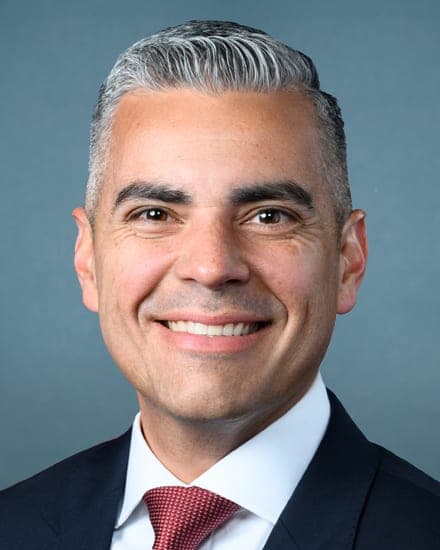
- IntroducedOCT 5, 2026HOUSEOCT 5, 2026By Rep. Ciscomani with 1 original cosponsorReferred to Foreign Affairs
- SAME DAYNOWHouse committeeOCT 5, 2026FOREIGN AFFAIRS NOWOCT 5, 2026In committee for 3 daysNo hearing yet
- 3 DAYS SO FARPassed the House—HOUSE FLOOR—Not scheduled
- Senate committee—SENATE—
- Passed the Senate—SENATE FLOOR—Not scheduled
- Resolve differencesONLY IF NEEDEDBOTH CHAMBERSONLY IF NEEDEDSkipped if the other chamber passes the same text
- Signed into law—PRESIDENT—10 days to sign or veto
- OCT 52026OCT 5, 2026REFERREDHOUSEReferred to the House Committee on Foreign Affairs.
- OCT 52026OCT 5, 2026INTRODUCEDHOUSEIntroduced in House
At day 3, this bill is already older than 3% of the laws passed this Congress were when they were signed.
Where your members stand on it
Support from one state
Plus the sponsor, a Republican. Every cosponsor is from one party.
Plus the sponsor, a Republican. Every cosponsor is from one party.
Rep. Ciscomani’s record: sponsored 34 bills this Congress. 10 passed the House; 0 became law.
- Elijah CraneR-AZ-2ORIGINAL
What readers think
Discussion
Get an alert when it changes stage, gets a floor vote in the House, or is signed into law.