Internationally Trained Physicians Assistance Act of 2026
Funds state pathways and support for internationally trained physicians pursuing U.S. medical licensure.
In two House committees since Oct. 1, 2026, 7 days after it was introduced. Most bills never leave committee.
- INTRODUCEDINTROOCT 1, 2026
- COMMITTEECOMM.IN COMMITTEE
- HOUSEHOUSE—
- SENATESENATE—
- LAWLAW—
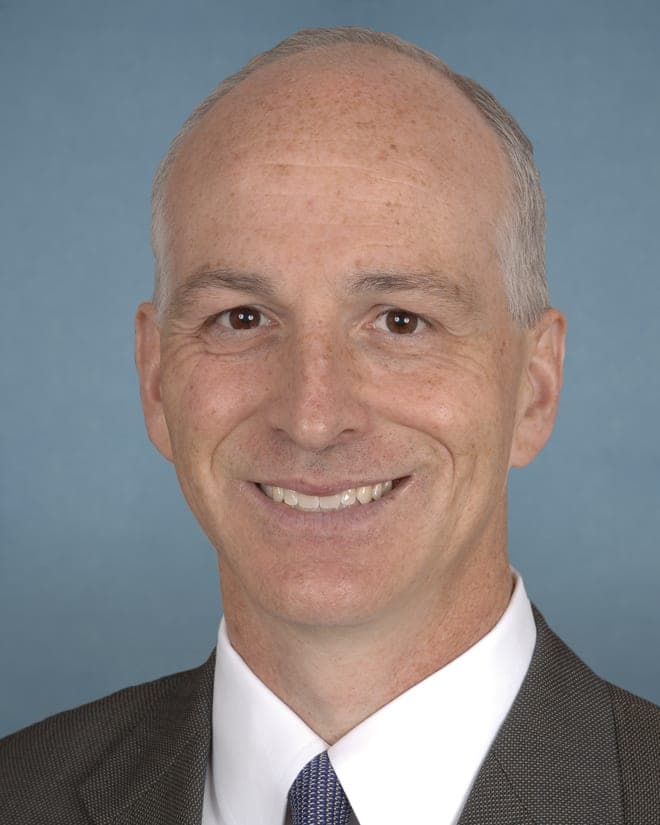
What the bill would do, and why it matters
U.S. medical licensing can be a barrier for physicians trained in other countries who want to work in patient care. The bill would fund state programs to help eligible physicians complete licensing steps and, in some cases, practice under supervision while doing so. It would also exclude certain residents from Medicare’s hospital residency cap and require a study of removing the cap.
- INTRODUCED ONLY This bill has been introduced and possibly referred to a committee, but it has not passed any vote. Most introduced bills never become law — they die in committee without a hearing.
- DATA NOTE No Congressional Research Service summary was available.
- Fund state pathways to supervised practice
HHS could award grants to states to create or expand alternative licensing pathways allowing eligible internationally trained physicians to provide patient care under a fully licensed physician’s supervision while completing the three steps of the United States Medical Licensing Examination. States would set how long this practice could last.
- Support physicians pursuing licensure
HHS could award states grants to help eligible internationally trained physicians while they complete the three exam steps. Assistance could cover exam fees, career counseling, case management, English classes, diploma verification, and test preparation.
- Exclude some residents from the Medicare cap
Certain internationally trained physicians in approved hospital residency programs would not count toward the hospital’s resident cap. The exemption would apply only if the hospital has a training agreement with a federally qualified health center or qualifying rural hospital, is in a state allowing the specified alternative practice, and predominantly serves medically underserved populations.
- Study removing the resident cap
HHS would report to Congress on the possibility of removing the Medicare resident cap.
The bill cites state alternative licensing pathways as a way to address health workforce shortages and improve access to care in underserved communities. It would use federal grants and a targeted change to the Medicare resident cap to support those efforts.
Written from the bill text.
The path it took, step by step
- IntroducedOCT 1, 2026HOUSEOCT 1, 2026By Rep. Smith with 1 original cosponsorReferred to Energy and Commerce and Ways and Means
- SAME DAYNOWHouse committeesOCT 1, 2026ENERGY & COMMERCE · WAYS & MEANS NOWOCT 1, 2026In committee for 7 daysNo hearing yet
- 7 DAYS SO FARPassed the House—HOUSE FLOOR—Not scheduled
- Senate committee—SENATE—
- Passed the Senate—SENATE FLOOR—Not scheduled
- Resolve differencesONLY IF NEEDEDBOTH CHAMBERSONLY IF NEEDEDSkipped if the other chamber passes the same text
- Signed into law—PRESIDENT—10 days to sign or veto
- OCT 12026OCT 1, 2026REFERREDReferred to the Committee on Energy and Commerce, and in addition to the Committee on Ways and Means, for a period to be subsequently determined by the Speaker, in each case for consideration of such provisions as fall within the jurisdiction of the committee concerned.
- OCT 12026OCT 1, 2026INTRODUCEDHOUSEIntroduced in House
At day 7, this bill is already older than 3% of the laws passed this Congress were when they were signed.
Where your members stand on it
Support from one state
Plus the sponsor, a Democrat. Every cosponsor is from one party.
Plus the sponsor, a Democrat. Every cosponsor is from one party.
Rep. Smith’s record: sponsored 23 bills this Congress. 0 passed the House; 0 became law.
- Raja KrishnamoorthiD-IL-8ORIGINAL
What readers think
Discussion
Get an alert when it changes stage, gets a floor vote in the House, or is signed into law.