Strengthening Innovation in Medicare and Medicaid Act
Limits early Medicare and Medicaid model tests while adding safeguards, public input and congressional review.
In three House committees since Oct. 1, 2026, 7 days after it was introduced. Most bills never leave committee.
- INTRODUCEDINTROOCT 1, 2026
- COMMITTEECOMM.IN COMMITTEE
- HOUSEHOUSE—
- SENATESENATE—
- LAWLAW—
What the bill would do, and why it matters
Medicare and Medicaid can test new ways to pay for and deliver care through federal innovation models. The bill would limit early tests and add public input, patient monitoring, provider hardship waivers, and information about how models are evaluated. Proposed model actions would generally proceed unless Congress disapproved them within 45 days.
- INTRODUCED ONLY This bill has been introduced and possibly referred to a committee, but it has not passed any vote. Most introduced bills never become law — they die in committee without a hearing.
- DATA NOTE No Congressional Research Service summary was available.
- Limit early model tests
For each Phase I model, the Secretary would limit testing to no more than five years and to the lesser of 10 percent of applicable individuals or 500,000 beneficiaries. Starting in fiscal year 2027, the Center for Medicare and Medicaid Innovation (CMI) could start no more than six new Phase I models each fiscal year and could not test more than five Phase I models at once that require mandatory, involuntary, or compulsory participation.
- Add congressional review of models
The Secretary would send Congress proposals to test, expand, or modify models. The proposal would proceed unless Congress passes a joint resolution disapproving it within 45 days, under expedited procedures set out in the bill.
- Require public input and expert advice
Before key stages of model development and testing, the Secretary would give public notice, explain the standards and reasons for decisions, and allow at least 45 days for public comment. CMI would also consult federal agencies and clinical and analytical experts, including experts familiar with the needs of safety-net, community-based, rural, and critical access providers.
- Protect providers and beneficiaries
The Secretary would create a process for providers and suppliers to seek waivers when a model requirement would cause undue economic hardship or reduce vulnerable populations’ access to care. The Secretary would also continuously monitor models’ effects on individuals and work to address harmful effects, including reduced care or access.
- Broaden and explain quality reviews
CMI could test models focused on improving care and patient outcomes even when savings may come indirectly over time, including practices intended to improve hospital care and avoid errors or complications. The Secretary would provide participating providers and suppliers with the actuarial assumptions and data used in decisions about a model, and evaluate quality using measures that include patient outcomes, patient-centeredness, and unintended effects.
The bill says CMI models can improve coordination, quality, and efficiency, but also says testing on a limited scale first can reduce unintended losses or harm to patients and providers. It calls for CMI to focus on models that can lower costs while maintaining or improving patient outcomes, and says mandatory models should be limited in scope.
The bill would change how models are tested and reviewed, including by making some proposed actions proceed unless Congress disapproves them. It also identifies risks such as reduced care or access and economic hardship for providers, and would require ways to monitor and address those effects.
Written from the bill text.
The path it took, step by step
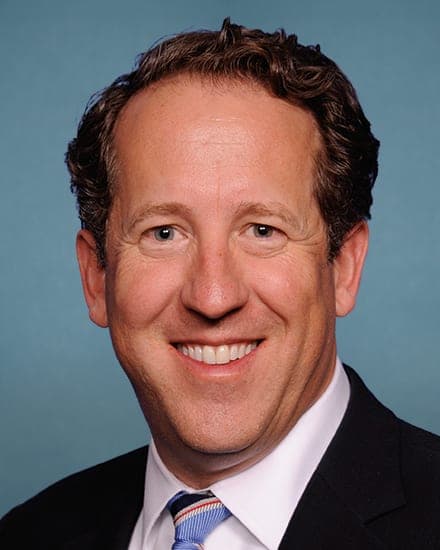
- IntroducedOCT 1, 2026HOUSEOCT 1, 2026By Rep. SmithReferred to Energy and Commerce, Rules and Ways and Means
- SAME DAYNOWHouse committeesOCT 1, 2026ENERGY & COMMERCE · RULES +1 NOWOCT 1, 2026In committee for 7 daysNo hearing yet
- 7 DAYS SO FARPassed the House—HOUSE FLOOR—Not scheduled
- Senate committee—SENATE—
- Passed the Senate—SENATE FLOOR—Not scheduled
- Resolve differencesONLY IF NEEDEDBOTH CHAMBERSONLY IF NEEDEDSkipped if the other chamber passes the same text
- Signed into law—PRESIDENT—10 days to sign or veto
- OCT 12026OCT 1, 2026REFERREDReferred to the Committee on Energy and Commerce, and in addition to the Committees on Ways and Means, and Rules, for a period to be subsequently determined by the Speaker, in each case for consideration of such provisions as fall within the jurisdiction of the committee concerned.
- OCT 12026OCT 1, 2026INTRODUCEDHOUSEIntroduced in House
At day 7, this bill is already older than 3% of the laws passed this Congress were when they were signed.
Where your members stand on it
What readers think
Discussion
Get an alert when it changes stage, gets a floor vote in the House, or is signed into law.