Stop SIM Box Scams Act
Bans SIM-box systems used to disguise communications, defeat caller identification, or bypass mobile-provider controls.
In the House Energy and Commerce Committee since Oct. 1, 2026, 7 days after it was introduced. Most bills never leave committee.
- INTRODUCEDINTROOCT 1, 2026
- COMMITTEECOMM.IN COMMITTEE
- HOUSEHOUSE—
- SENATESENATE—
- LAWLAW—
What the bill would do, and why it matters
Some systems use mobile credentials to route communications while hiding their source or bypassing carrier controls. The bill would prohibit specified SIM-box systems and related activities, while allowing exceptions for certain government, testing, and provider uses. It would give the FCC enforcement responsibilities and let injured mobile providers sue.
- INTRODUCED ONLY This bill has been introduced and possibly referred to a committee, but it has not passed any vote. Most introduced bills never become law — they die in committee without a hearing.
- DATA NOTE No Congressional Research Service summary was available.
- Prohibit SIM-box activities
The bill would prohibit making, importing, selling, advertising, possessing, using, or distributing a SIM box, as well as modifying equipment or software to function as one or knowingly helping someone do so. The ban would apply to activity on or after 180 days after enactment.
- Define SIM boxes and exceptions
A SIM box would include systems that pool or rotate mobile credentials to handle communications while obscuring their origin, defeating caller identification or traceback, or bypassing mobile providers’ controls. Exceptions cover specified government, testing, and provider activities, along with other uses the FCC determines appropriate.
- Give the FCC enforcement powers
The FCC could issue temporary orders requiring an alleged violator to stop, and each prohibited item or each day of a continuing violation could count separately for enforcement. The bill would also make covered items subject to communications-device forfeiture and let injured mobile-service providers sue to stop violations or recover damages.
- Allow limited carrier assistance
Mobile-service providers would have a legal safe harbor for good-faith actions reasonably aimed at detecting or addressing SIM boxes, including certain monitoring and assistance to government agencies. The protection would not cover unrelated conduct, certain unrelated uses or disclosures of information, or willful misconduct, gross negligence, or bad faith.
- Coordinate enforcement and limit conflicting laws
The FCC would coordinate with federal and state authorities and report to Congress on implementation and enforcement. State or local rules that conflict with the bill would be barred, but stricter limits on SIM boxes could remain in effect.
The bill targets systems that can obscure where mobile communications originate, defeat caller identification or traceback, or bypass mobile providers’ controls. It would create a federal framework for restricting those systems and coordinating efforts to enforce the restrictions.
The approach also raises practical questions about how the FCC will distinguish prohibited systems from permitted technology and how customer information may be used when providers assist agencies. The bill directs the FCC to define the boundaries and limits the safe harbor for certain conduct.
Written from the bill text.
The path it took, step by step
- IntroducedOCT 1, 2026HOUSEOCT 1, 2026By Rep. Shreve with 2 original cosponsorsReferred to Energy and Commerce
- SAME DAYNOWHouse committeeOCT 1, 2026ENERGY & COMMERCE NOWOCT 1, 2026In committee for 7 daysNo hearing yet
- 7 DAYS SO FARPassed the House—HOUSE FLOOR—Not scheduled
- Senate committee—SENATE—
- Passed the Senate—SENATE FLOOR—Not scheduled
- Resolve differencesONLY IF NEEDEDBOTH CHAMBERSONLY IF NEEDEDSkipped if the other chamber passes the same text
- Signed into law—PRESIDENT—10 days to sign or veto
- OCT 12026OCT 1, 2026REFERREDHOUSEReferred to the House Committee on Energy and Commerce.
- OCT 12026OCT 1, 2026INTRODUCEDHOUSEIntroduced in House
At day 7, this bill is already older than 3% of the laws passed this Congress were when they were signed.
Where your members stand on it
A coalition from 2 states
Plus the sponsor, a Republican. Every cosponsor is from one party.
Plus the sponsor, a Republican. Every cosponsor is from one party.
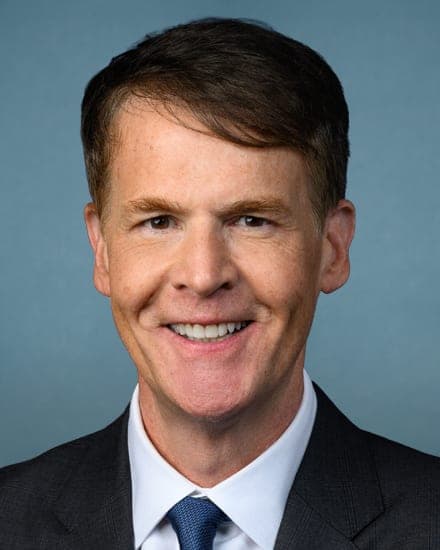
Rep. Shreve’s record: sponsored 19 bills this Congress. 2 passed the House; 0 became law.
- Robert MenendezD-NJ-8ORIGINAL
- Suhas SubramanyamD-VA-10ORIGINAL
What readers think
Discussion
Get an alert when it changes stage, gets a floor vote in the House, or is signed into law.