Direct CARE Opportunity Act of 2026
Creates federal grants to recruit, retain, and advance direct care workers through training, career support, wages, and other assistance.
In two House committees since Oct. 1, 2026, 4 days after it was introduced. Most bills never leave committee.
- INTRODUCEDINTROOCT 1, 2026
- COMMITTEECOMM.IN COMMITTEE
- HOUSEHOUSE—
- SENATESENATE—
- LAWLAW—
What the bill would do, and why it matters
Direct care workers help people with daily needs and support them in their homes and communities. The bill would create federal grants for strategies to recruit, retain, and advance these workers. Grants could fund training, career pathways, wages, and other supports, with requirements for consultation and reporting on results.
- INTRODUCED ONLY This bill has been introduced and possibly referred to a committee, but it has not passed any vote. Most introduced bills never become law — they die in committee without a hearing.
- DATA NOTE No Congressional Research Service summary was available.
- Fund grants for direct care strategies
The Labor Department would award grants to eligible entities to recruit, retain, or advance direct care workers. Grants would last at least five years; the bill appropriates $300 million for each fiscal year from 2027 through 2032 for the program and other activities under the Act.
- Support training and career advancement
Grantees would use their funds for at least one strategy, such as education and training, career pathways leading to higher wages and benefits, career planning, or wages and other support for workers. Strategies could also provide services such as transportation, child care, or mentoring.
- Set conditions for funded activities
Applications would have to describe how workers and people receiving care would be consulted, and how the strategy would address barriers to participation. Grantees could not charge participating workers or trainees for education, training, supportive services, or other benefits; funded activities would also have to meet workplace safety and wage requirements.
- Track results and provide assistance
Grantees would report yearly on their strategies and submit a final report after completion; the Labor Department would report to Congress on results and workforce needs. The bill also appropriates $6 million each fiscal year from 2027 through 2032 for national technical assistance and related activities.
The bill focuses on recruiting, retaining, and advancing direct care workers, who provide support to people in homes and community settings. It would direct federal funding toward local or regional strategies and require reports on their results, including information about workforce supply and shortages.
Written from the bill text.
The path it took, step by step
- IntroducedOCT 1, 2026HOUSEOCT 1, 2026By Rep. Scott with 2 original cosponsorsReferred to Education and Workforce and Energy and Commerce
- SAME DAYNOWHouse committeesOCT 1, 2026EDUCATION & WORKFORCE · ENERGY & COMMERCE NOWOCT 1, 2026In committee for 4 daysNo hearing yet
- 4 DAYS SO FARPassed the House—HOUSE FLOOR—Not scheduled
- Senate committee—SENATE—
- Passed the Senate—SENATE FLOOR—Not scheduled
- Resolve differencesONLY IF NEEDEDBOTH CHAMBERSONLY IF NEEDEDSkipped if the other chamber passes the same text
- Signed into law—PRESIDENT—10 days to sign or veto
- OCT 12026OCT 1, 2026REFERREDReferred to the Committee on Education and Workforce, and in addition to the Committee on Energy and Commerce, for a period to be subsequently determined by the Speaker, in each case for consideration of such provisions as fall within the jurisdiction of the committee concerned.
- OCT 12026OCT 1, 2026INTRODUCEDHOUSEIntroduced in House
At day 4, this bill is already older than 3% of the laws passed this Congress were when they were signed.
Where your members stand on it
A coalition from 2 states
Plus the sponsor, a Democrat. Every cosponsor is from one party.
Plus the sponsor, a Democrat. Every cosponsor is from one party.
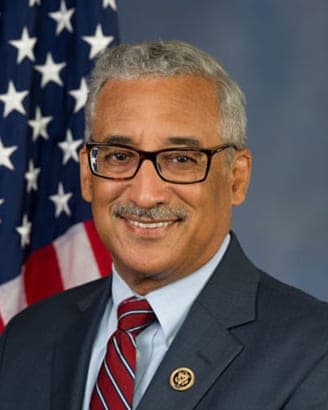
Rep. Scott’s record: sponsored 21 bills this Congress. 2 passed the House; 0 became law.
- Adelita S. GrijalvaD-AZ-7ORIGINAL
- Susie LeeD-NV-3ORIGINAL
What readers think
Discussion
Get an alert when it changes stage, gets a floor vote in the House, or is signed into law.