Protecting Workers’ Benefits Act
Lets retirement plan participants and beneficiaries sue on a plan’s behalf and receive a share of a recovery.
In the House Education and Workforce Committee since Oct. 1, 2026, 7 days after it was introduced. Most bills never leave committee.
- INTRODUCEDINTROOCT 1, 2026
- COMMITTEECOMM.IN COMMITTEE
- HOUSEHOUSE—
- SENATESENATE—
- LAWLAW—
What the bill would do, and why it matters
Retirement plans can bring legal claims to seek relief for harm to plan assets. The bill would let participants and beneficiaries bring certain claims on a plan’s behalf and receive a share of a successful recovery or settlement. It would also set rules for overlapping cases and multiple plaintiffs.
- INTRODUCED ONLY This bill has been introduced and possibly referred to a committee, but it has not passed any vote. Most introduced bills never become law — they die in committee without a hearing.
- DATA NOTE No Congressional Research Service summary was available.
- Lets participants sue for plans
A plan participant or beneficiary could bring a lawsuit on the plan’s behalf seeking relief under section 409 of ERISA. The person would have to give the plan a copy of the complaint.
- Sets a share of recovered money
If the plan wins or substantially prevails, or the case is settled, the recovery would be treated as a plan asset. The participant or beneficiary who brought the case would receive 0.5% to 1% of the recovery, and a court could award other relief such as costs and expenses.
- Addresses overlapping lawsuits
A participant or beneficiary bringing a case would have to promptly ask the court to consolidate it when another case involving substantially the same allegations is already pending. If multiple people bring a successful or settled case, the court would distribute the specified share equitably among each plaintiff, or each named plaintiff in a class action.
The bill’s stated purpose is to strengthen accountability and protect plan assets. It would give participants and beneficiaries a defined route to bring certain actions for a plan and a financial interest in the outcome.
Written from the bill text.
The path it took, step by step
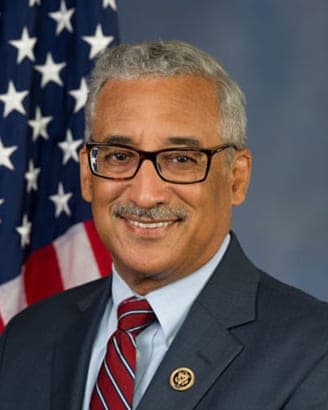
- IntroducedOCT 1, 2026HOUSEOCT 1, 2026By Rep. ScottReferred to Education and Workforce
- SAME DAYNOWHouse committeeOCT 1, 2026EDUCATION & WORKFORCE NOWOCT 1, 2026In committee for 7 daysNo hearing yet
- 7 DAYS SO FARPassed the House—HOUSE FLOOR—Not scheduled
- Senate committee—SENATE—
- Passed the Senate—SENATE FLOOR—Not scheduled
- Resolve differencesONLY IF NEEDEDBOTH CHAMBERSONLY IF NEEDEDSkipped if the other chamber passes the same text
- Signed into law—PRESIDENT—10 days to sign or veto
- OCT 12026OCT 1, 2026REFERREDHOUSEReferred to the House Committee on Education and Workforce.
- OCT 12026OCT 1, 2026INTRODUCEDHOUSEIntroduced in House
At day 7, this bill is already older than 3% of the laws passed this Congress were when they were signed.
Where your members stand on it
What readers think
Discussion
Get an alert when it changes stage, gets a floor vote in the House, or is signed into law.