Workers’ Retirement Savings Protection Act of 2026
Treats more paid providers of individualized retirement investment advice as fiduciaries, including for advice to individual retirement accounts.
In the House Education and Workforce Committee since Oct. 1, 2026, 7 days after it was introduced. Most bills never leave committee.
- INTRODUCEDINTROOCT 1, 2026
- COMMITTEECOMM.IN COMMITTEE
- HOUSEHOUSE—
- SENATESENATE—
- LAWLAW—
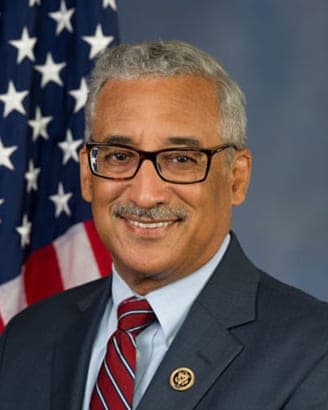
What the bill would do, and why it matters
Retirement investment advice can influence how workers’ savings are invested. The bill would treat people as fiduciaries when they give paid, individualized investment advice or recommendations to retirement plans or accounts, including IRAs. It would also count indirect compensation and make a specified existing regulation ineffective.
- INTRODUCED ONLY This bill has been introduced and possibly referred to a committee, but it has not passed any vote. Most introduced bills never become law — they die in committee without a hearing.
- DATA NOTE No Congressional Research Service summary was available.
- Treat individualized advisers as fiduciaries
A person would be a fiduciary for an employee benefit plan or an individual account when, for compensation, the person gives investment advice or recommendations tailored to the plan or account. Covered recommendations include buying, holding, selling, transferring, or rolling over investments.
- Count indirect compensation
Compensation would include payments or non-cash benefits received by the adviser or an affiliate from any source in connection with, or as a result of, an investment transaction or advice. The bill lists examples such as commissions, revenue-sharing payments, gifts, and expense reimbursements.
- Include individual retirement accounts
For the bill’s fiduciary provisions, “plan” would include individual retirement accounts and annuities as well as employee benefit plans.
- End an existing regulation’s effect
The bill would give no force or effect to the specified federal regulation as it stood the day before enactment.
Whether an investment adviser is treated as a fiduciary determines whether the law’s fiduciary rules apply to that person’s advice to a retirement plan or account. The bill would broaden the definition and specifically include compensation from indirect sources, affecting which advisers fall within those rules.
Written from the bill text.
The path it took, step by step
- IntroducedOCT 1, 2026HOUSEOCT 1, 2026By Rep. ScottReferred to Education and Workforce
- SAME DAYNOWHouse committeeOCT 1, 2026EDUCATION & WORKFORCE NOWOCT 1, 2026In committee for 7 daysNo hearing yet
- 7 DAYS SO FARPassed the House—HOUSE FLOOR—Not scheduled
- Senate committee—SENATE—
- Passed the Senate—SENATE FLOOR—Not scheduled
- Resolve differencesONLY IF NEEDEDBOTH CHAMBERSONLY IF NEEDEDSkipped if the other chamber passes the same text
- Signed into law—PRESIDENT—10 days to sign or veto
- OCT 12026OCT 1, 2026REFERREDHOUSEReferred to the House Committee on Education and Workforce.
- OCT 12026OCT 1, 2026INTRODUCEDHOUSEIntroduced in House
At day 7, this bill is already older than 3% of the laws passed this Congress were when they were signed.
Where your members stand on it
What readers think
Discussion
Get an alert when it changes stage, gets a floor vote in the House, or is signed into law.