Accessible Voting Act of 2026
Expands accessible voting support and absentee options while requiring states to improve election information and polling-place access.
In the House Administration Committee since Oct. 1, 2026, 7 days after it was introduced. Most bills never leave committee.
- INTRODUCEDINTROOCT 1, 2026
- COMMITTEECOMM.IN COMMITTEE
- HOUSEHOUSE—
- SENATESENATE—
- LAWLAW—
What the bill would do, and why it matters
Voting can be harder when election information, polling places, or ballot procedures are not accessible. The bill would create federal accessibility support and require states to improve voting information, websites, and in-person access. It would also expand absentee voting for federal elections and add protections for voters with disabilities and older voters.
- INTRODUCED ONLY This bill has been introduced and possibly referred to a committee, but it has not passed any vote. Most introduced bills never become law — they die in committee without a hearing.
- DATA NOTE No Congressional Research Service summary was available.
- Create federal accessibility support
The bill would establish an Election Assistance Commission Office of Accessibility, a National Resource Center, and a public national website with state voting information and accessibility resources. The office would also collect complaints and refer complaints that violate federal law to the Department of Justice.
- Require accessible state election services
States would need accessible election websites and a single office responsible for disability- and age-related voting information, training, and polling-place audits. States and localities would also have to publish notice of voting changes within 7 days and provide information about polling-place locations, accessibility, machines, and trained poll workers before federal elections.
- Expand absentee voting access
For federal elections, states would have to offer no-excuse absentee voting, accept voter-registration applications received at least 21 days before an election, and accept absentee-ballot applications received at least 7 days before it. States would also provide options for electronic applications and accessible transmission and marking of blank ballots; the bill expressly says this does not allow voting over the internet.
- Improve in-person voting protections
States would have to ensure polling places are accessible and make drop boxes accessible to people with disabilities, people with limited English proficiency, and homeless individuals. States would also have to consider ways to address long waits and mobile polling at long-term care facilities; a person could not be found unable to vote solely because they are under guardianship without a court finding, by clear and convincing evidence, that they cannot communicate a desire to participate, with or without accommodations.
- Provide payments to states
Eligible states could receive payments for meeting the bill’s accessibility requirements. At least 10% of a state’s allocation would have to go to local governments for accessible election websites and sharing information with the state website.
- Add other federal assistance measures
The bill’s remaining sections cover expanding and reauthorizing a voting-access grant program, studying accessible voting options, appointments to the Election Assistance Commission Board of Advisors, and use of funds for protection and advocacy systems’ election-access litigation. The later sections are described here by their headings only.
The bill cites barriers that can keep people from registering or voting, including inaccessible polling places and voting booths, difficulty traveling to vote, and challenges understanding registration and ballot procedures. Its findings say only 17 percent of polling places could be considered fully accessible in 2016.
The bill is intended to make voting options and information more accessible while giving states and local governments resources and federal support to do so. It would also change how states handle absentee voting and how they assess a person’s voting capacity when that person is under guardianship.
Written from an excerpt of the bill text.
The path it took, step by step
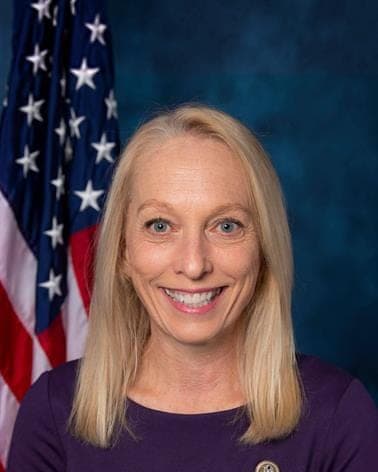
- IntroducedOCT 1, 2026HOUSEOCT 1, 2026By Rep. Scanlon with 3 original cosponsorsReferred to Administration
- SAME DAYNOWHouse committeeOCT 1, 2026ADMINISTRATION NOWOCT 1, 2026In committee for 7 daysNo hearing yet
- 7 DAYS SO FARPassed the House—HOUSE FLOOR—Not scheduled
- Senate committee—SENATE—
- Passed the Senate—SENATE FLOOR—Not scheduled
- Resolve differencesONLY IF NEEDEDBOTH CHAMBERSONLY IF NEEDEDSkipped if the other chamber passes the same text
- Signed into law—PRESIDENT—10 days to sign or veto
- OCT 12026OCT 1, 2026REFERREDHOUSEReferred to the House Committee on House Administration.
- OCT 12026OCT 1, 2026INTRODUCEDHOUSEIntroduced in House
At day 7, this bill is already older than 3% of the laws passed this Congress were when they were signed.
Where your members stand on it
A coalition from 3 states
Plus the sponsor, a Democrat. Every cosponsor is from one party.
Plus the sponsor, a Democrat. Every cosponsor is from one party.
Rep. Scanlon’s record: sponsored 27 bills this Congress. 0 passed the House; 0 became law.
- Madeleine DeanD-PA-4ORIGINAL
- Jamie RaskinD-MD-8ORIGINAL
- Lateefah SimonD-CA-12ORIGINAL
What readers think
Discussion
Get an alert when it changes stage, gets a floor vote in the House, or is signed into law.