United States Submarine Cable Security Policy Act of 2026
Sets security rules and licensing procedures for submarine cables landing or operating in the United States.
In the House Energy and Commerce Committee since Oct. 1, 2026, 7 days after it was introduced. Most bills never leave committee.
- INTRODUCEDINTROOCT 1, 2026
- COMMITTEECOMM.IN COMMITTEE
- HOUSEHOUSE—
- SENATESENATE—
- LAWLAW—
What the bill would do, and why it matters
Submarine cables connect the United States with other countries and require licenses to land or operate. The bill would set security measures for those licenses and give the FCC a defined process and deadlines for reviewing applications. Some eligible applicants could land cables while their applications are pending, subject to an objection process.
- INTRODUCED ONLY This bill has been introduced and possibly referred to a committee, but it has not passed any vote. Most introduced bills never become law — they die in committee without a hearing.
- DATA NOTE No Congressional Research Service summary was available.
- Set security standards for submarine cables
The bill would direct a committee that reviews foreign participation in U.S. telecommunications to develop a security policy, then require the FCC to adopt standard security measures for cable licenses. The FCC would also adopt enhanced measures for cases where standard measures do not address a risk to U.S. national security interests.
- Change how cable licenses are reviewed
The bill would make the FCC responsible for licensing decisions under the Cable Landing License Act and set deadlines for accepting and deciding applications. The FCC could refer an application to the committee for review only in specified cases, including when the applicant seeks to overcome certain foreign-adversary disqualifications or cannot make required self-certifications.
- Allow some cables to land during review
Some applicants that make the required ownership self-certification could land a cable while their license application is pending, after giving notice to the FCC and the committee. The committee and FCC could prevent landing during a 20-day objection period; pending review would not allow the applicant to operate the cable, except as needed to construct and test it.
- Limit extra license security conditions
The FCC generally could not require security measures beyond the standard or enhanced measures it adopts. It could add other measures if the committee petitions and the FCC finds that issuing the license without them would pose a national-security risk those measures do not address; existing license holders could ask to replace certain committee security agreements with the applicable measures.
The bill identifies possible security concerns involving cable connections to foreign countries, connections to covered nations, and cable construction partnerships with certain communications-equipment or service providers. It would make security measures part of the licensing system while setting a process for reviewing applications and handling cases that raise additional concerns.
The practical stakes include both the security conditions on submarine cables and how quickly applicants can receive a decision or begin landing a cable while a decision is pending.
Written from the bill text.
The path it took, step by step
- IntroducedOCT 1, 2026HOUSEOCT 1, 2026By Rep. Pfluger with 1 original cosponsorReferred to Energy and Commerce
- SAME DAYNOWHouse committeeOCT 1, 2026ENERGY & COMMERCE NOWOCT 1, 2026In committee for 7 daysNo hearing yet
- 7 DAYS SO FARPassed the House—HOUSE FLOOR—Not scheduled
- Senate committee—SENATE—
- Passed the Senate—SENATE FLOOR—Not scheduled
- Resolve differencesONLY IF NEEDEDBOTH CHAMBERSONLY IF NEEDEDSkipped if the other chamber passes the same text
- Signed into law—PRESIDENT—10 days to sign or veto
- OCT 12026OCT 1, 2026REFERREDHOUSEReferred to the House Committee on Energy and Commerce.
- OCT 12026OCT 1, 2026INTRODUCEDHOUSEIntroduced in House
At day 7, this bill is already older than 3% of the laws passed this Congress were when they were signed.
Where your members stand on it
Support from one state
Plus the sponsor, a Republican. Every cosponsor is from one party.
Plus the sponsor, a Republican. Every cosponsor is from one party.
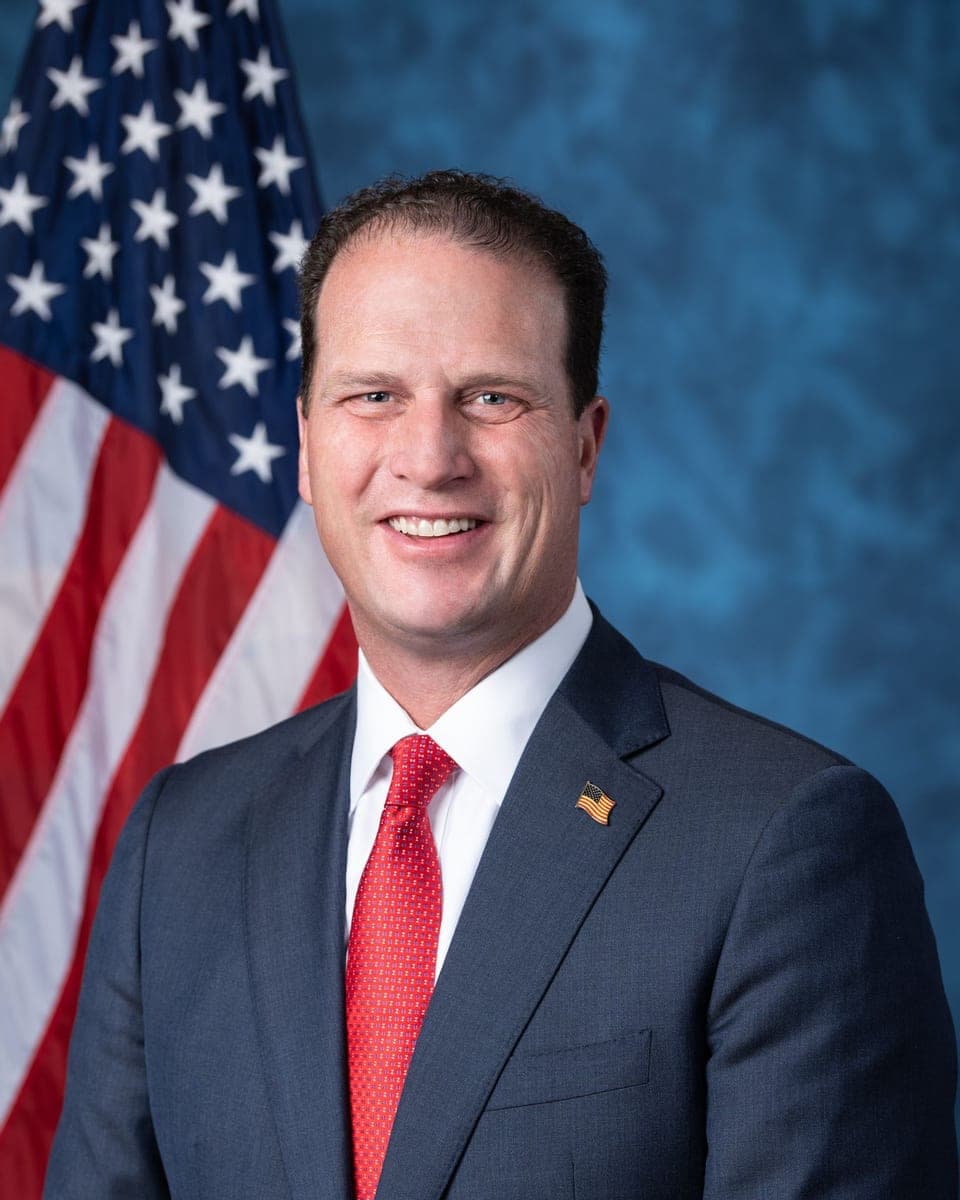
Rep. Pfluger’s record: sponsored 64 bills this Congress. 13 passed the House; 1 became law.
- Robert MenendezD-NJ-8ORIGINAL
What readers think
Discussion
Get an alert when it changes stage, gets a floor vote in the House, or is signed into law.