GI Bill Transferability Act
Lets eligible service members transfer Post-9/11 education assistance at any time after meeting a six-year service threshold.
In the House Veterans' Affairs Committee since Oct. 1, 2026, 7 days after it was introduced. Most bills never leave committee.
- INTRODUCEDINTROOCT 1, 2026
- COMMITTEECOMM.IN COMMITTEE
- HOUSEHOUSE—
- SENATESENATE—
- LAWLAW—
What the bill would do, and why it matters
The issue is when service members can transfer Post-9/11 education assistance and what service is required to qualify. The bill would set a six-year service threshold and let eligible people transfer the assistance at any time, including after leaving the Armed Forces. It would also revise related transfer rules.
- INTRODUCED ONLY This bill has been introduced and possibly referred to a committee, but it has not passed any vote. Most introduced bills never become law — they die in committee without a hearing.
- DATA NOTE No Congressional Research Service summary was available.
- Set a six-year service threshold
The bill would make at least six years of service in the uniformed services the eligibility threshold for transferring Post-9/11 education assistance. It also changes related eligibility language to use a six-year service threshold.
- Allow transfers at any time
A transfer would no longer have to be made while the service member is serving in the Armed Forces. The bill would allow a transfer at any time.
- Update related transfer rules
The bill would remove or revise other provisions in the transferability law, including provisions identified in the text as related to eligibility and transfer conditions. The text does not explain the practical effect of each of those changes.
The practical difference is when eligible service members can transfer education assistance: the bill would remove the requirement that they do so while serving. It would also set a six-year service threshold and revise related transfer rules.
Written from the bill text.
The path it took, step by step
- IntroducedOCT 1, 2026HOUSEOCT 1, 2026By Rep. Patronis with 6 original cosponsorsReferred to Veterans' Affairs
- SAME DAYNOWHouse committeeOCT 1, 2026VETERANS' AFFAIRS NOWOCT 1, 2026In committee for 7 daysNo hearing yet
- 7 DAYS SO FARPassed the House—HOUSE FLOOR—Not scheduled
- Senate committee—SENATE—
- Passed the Senate—SENATE FLOOR—Not scheduled
- Resolve differencesONLY IF NEEDEDBOTH CHAMBERSONLY IF NEEDEDSkipped if the other chamber passes the same text
- Signed into law—PRESIDENT—10 days to sign or veto
- OCT 12026OCT 1, 2026REFERREDHOUSEReferred to the House Committee on Veterans' Affairs.
- OCT 12026OCT 1, 2026INTRODUCEDHOUSEIntroduced in House
At day 7, this bill is already older than 3% of the laws passed this Congress were when they were signed.
Where your members stand on it
A coalition from 5 states
Plus the sponsor, a Republican. The smaller side has 1 member.
Plus the sponsor, a Republican. The smaller side has 1 member.
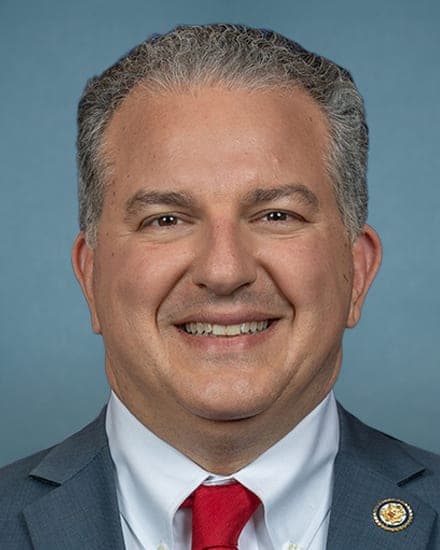
Rep. Patronis’s record: sponsored 19 bills this Congress. 0 passed the House; 0 became law.
- Don BaconR-NE-2ORIGINAL
- Gus M. BilirakisR-FL-12ORIGINAL
- Maxwell FrostD-FL-10ORIGINAL
- Jennifer A. KiggansR-VA-2ORIGINAL
- Barry MooreR-AL-1ORIGINAL
- Maria Elvira SalazarR-FL-27ORIGINAL
- Michael LawlerR-NY-17OCT 6, 2026
What readers think
Discussion
Get an alert when it changes stage, gets a floor vote in the House, or is signed into law.