Bills · HR 1069
PASSED HOUSE· 119TH CONGRESS
House BillHR 1069Foreign language and bilingual programsChina
PROTECT Our Kids Act
INTRO FEB 6· LAST ACTION DEC 4
READING
3MIN
COSPONSORS
2
READER REACTIONS0 TOTAL
NO VOTES YET · BE THE FIRST
- One chamber only
LEGISLATIVE PROGRESS
STEP 4 / 8Introduced
In Committee
Reported
Passed House
Passed Senate
Conference
To President
Became Law
WHAT THE BILL DOES
AI-writtenVoters should care about this bill because it addresses concerns about foreign influence in American education and the use of taxpayer dollars. If this bill becomes law, it would ensure that federal funds are not inadvertently supporting programs that are linked to a foreign government, which some view as a national security issue or a concern regarding curriculum content.
Without this bill, schools could continue to receive federal education funds while also maintaining partnerships with Chinese government-backed entities. The bill seeks to draw a clear line, potentially forcing schools to choose between federal funding and these specific foreign partnerships, thereby changing the landscape of international educational collaborations in the U.S. and impacting the financial stability of affected schools.
KEY PROVISIONS
4AI-extractedPROVISION 01
Prohibits elementary and secondary schools with direct or indirect support from the Government of the People's Republic of China from receiving federal education funds.
This directly cuts off a source of funding for schools that maintain specific types of foreign partnerships.
PROVISION 02
The prohibition covers partnerships with cultural/language institutes (e.g., Confucius Institutes) or receipt of materials, personnel, or funds from entities acting on behalf of the Chinese government.
This provision broadly defines the types of Chinese government support that would trigger the funding prohibition.
PROVISION 03
Allows schools with contracts in place before the bill's enactment to request a waiver, which may be granted until the contract's termination.
This provides a transition period and a mechanism for schools to manage existing obligations without immediate loss of federal funds.
PROVISION 04
Requires the Secretary of Education to notify affected schools and provide guidance on compliance within 90 days of enactment.
This ensures schools are informed of the new rules and how to follow them, promoting a smoother transition.
SPONSORSHIP
1 + 2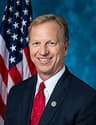
R· Oklahoma
YRS IN OFFICE
7
BILLS LED
18
COSPONSOR BREAKDOWNBIPARTISAN · 0%
DEM 0 REP 2 IND 0
ACTION TIMELINE
15 EVENTSDEC 4
Considered under the provisions of rule H. Res. 916. (consideration: CR H5032-5036)
DEC 4
Rule provides for consideration of H.R. 4312, H.R. 1005, H.R. 1049, H.R. 1069, H.R. 2965 and H.R. 4305. The resolution provides for consideration of H.R. 4312, H.R. 1005, H.R. 1049, H.R. 1069, H.R. 2965, and H.R. 4305 under a closed rule with one hour of general debate and one motion to recommit on each bill.
DEC 4
DEBATE - The House proceeded with one hour of debate on H.R. 1069.
DEC 4
The previous question was ordered pursuant to the rule.
BILL INFO
TypeHouse Bill
NumberHR 1069
Congress119th
StatusPassed House
IntroducedFeb 6, 2025
Last actionDec 4, 2025
READER REACTIONS
OVERALL SENTIMENT
No reactions yet. Be the first to weigh in.
Discussion
Loading comments...
PASSED HOUSE· 119TH CONGRESS · EDUCATION AND WORKFORCE COMMITTEE · INTRODUCED FEB 6, 2025
House BillHR 1069Foreign language and bilingual programsChina
PROTECT Our Kids Act
INTRODUCED FEB 6, 2025· LAST ACTION DEC 4, 2025
PASSAGE CHANCES
—%
READING
3 min
COSPONSORS
2
COMPLEXITY
Moderate