Remedial Education Improvement Act
Creates grants to improve remedial education and lets students in funded programs use federal aid for up to two academic years.
In the House Education and Workforce Committee since Oct. 1, 2026, 7 days after it was introduced. Most bills never leave committee.
- INTRODUCEDINTROOCT 1, 2026
- COMMITTEECOMM.IN COMMITTEE
- HOUSEHOUSE—
- SENATESENATE—
- LAWLAW—
What the bill would do, and why it matters
Some college students need extra instruction before they are ready for college-level courses. The bill would create grants for colleges to improve remedial education through approaches such as faster courses, targeted instruction, or added student support. It would also expand federal aid eligibility for students in funded programs and require data collection and evaluation.
- INTRODUCED ONLY This bill has been introduced and possibly referred to a committee, but it has not passed any vote. Most introduced bills never become law — they die in committee without a hearing.
- DATA NOTE No Congressional Research Service summary was available.
- Fund five approaches to remedial education
The bill would create five-year competitive grants for colleges and partnerships with school districts or state education agencies to improve remedial education. Grants could support aligning high school and college coursework, accelerated or targeted instruction, co-requisite courses, or comprehensive student supports; each grant would be at least $500,000.
- Require student data and program evaluations
Grant recipients would report student-level data each year during the grant and for five years afterward. An independent evaluator would assess how programs affect course and degree completion and compare the results across remedial education models.
- Expand aid eligibility for remedial courses
Students could receive federal loans or grants under the Higher Education Act for up to two academic years while enrolled in a remedial education program funded under the bill.
- Protect student information
The bill would prohibit selling data collected through the program and restrict its use by other federal agencies. It would also prohibit using personally identifiable information for law enforcement or other activity that could harm a student, including debt collection or immigration enforcement.
- Prioritize low-income-serving institutions
The Education Department would have to award grants to at least 30 eligible entities over each five-year grant period, distribute them across urban and rural areas, and give preference to entities that primarily serve low-income students. Most recipients would have to contribute non-federal funds equal to 10 percent of their grant; Tribal Colleges or Universities and institutions in specified territories and freely associated states would be exempt.
The bill’s stated purpose is to help students move through remedial and college-level coursework and complete postsecondary education. It also aims to compare different remedial education approaches and identify ways to continue or replicate programs that work.
The program would collect student-level information, including outcomes broken out by characteristics such as race, income, and disability status. The bill would limit how that information could be disclosed or used, including prohibiting its use for law enforcement and debt collection.
Written from the bill text.
The path it took, step by step
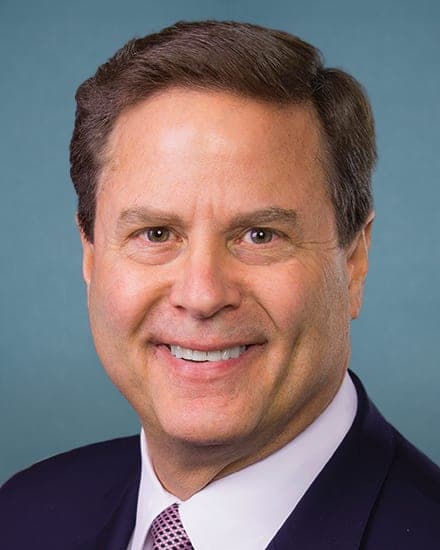
- IntroducedOCT 1, 2026HOUSEOCT 1, 2026By Rep. NorcrossReferred to Education and Workforce
- SAME DAYNOWHouse committeeOCT 1, 2026EDUCATION & WORKFORCE NOWOCT 1, 2026In committee for 7 daysNo hearing yet
- 7 DAYS SO FARPassed the House—HOUSE FLOOR—Not scheduled
- Senate committee—SENATE—
- Passed the Senate—SENATE FLOOR—Not scheduled
- Resolve differencesONLY IF NEEDEDBOTH CHAMBERSONLY IF NEEDEDSkipped if the other chamber passes the same text
- Signed into law—PRESIDENT—10 days to sign or veto
- OCT 12026OCT 1, 2026REFERREDHOUSEReferred to the House Committee on Education and Workforce.
- OCT 12026OCT 1, 2026INTRODUCEDHOUSEIntroduced in House
At day 7, this bill is already older than 3% of the laws passed this Congress were when they were signed.
Where your members stand on it
What readers think
Discussion
Get an alert when it changes stage, gets a floor vote in the House, or is signed into law.