Foster Youth Dental Act of 2026
Extends Medicaid services to eligible foster youth under 26 and sets dental payment and enrollment outreach requirements.
In the House Energy and Commerce Committee since Oct. 1, 2026, 7 days after it was introduced. Most bills never leave committee.
- INTRODUCEDINTROOCT 1, 2026
- COMMITTEECOMM.IN COMMITTEE
- HOUSEHOUSE—
- SENATESENATE—
- LAWLAW—
What the bill would do, and why it matters
Medicaid coverage can change as young people leave foster care. The bill would extend required Medicaid services, including dental care, to eligible people under 26 who are in or have left foster care. It would set minimum dental payment rates and require state outreach to former foster youth and dentists.
- INTRODUCED ONLY This bill has been introduced and possibly referred to a committee, but it has not passed any vote. Most introduced bills never become law — they die in committee without a hearing.
- DATA NOTE No Congressional Research Service summary was available.
- Extends Medicaid services for foster youth
The bill would extend Medicaid’s required screening, diagnostic, and treatment services to eligible people under 26 who are in foster care or who left foster care after being enrolled in Medicaid while in care. It would also require information about dental services and the importance of oral health.
- Sets minimum dental payment rates
For dental services provided to eligible individuals under 26, Medicaid would have to pay dentists at least the average contracted rate for that service over the previous five years. States could use rates for their state or for the United States as a whole, and the payment rule would also apply to Medicaid managed-care plans.
- Covers added dental costs federally
The federal government would cover 100% of the portion of a state’s costs for these dental services that comes from the required minimum payment exceeding the rate in the state plan on January 1, 2026. Federal matching at the state’s usual rate could still apply to spending above that portion.
- Requires outreach to youth and dentists
States would have to create an enrollment outreach program for people eligible for Medicaid as former foster youth, coordinating with the state agency responsible for foster-care programs and other appropriate or interested agencies. States would also have to reach out to dentists to encourage them to join Medicaid as participating providers.
Medicaid coverage and access to dental care can change as young people leave foster care. The bill would extend required services for eligible young adults and set a payment floor for their dental care, with the federal government covering the specified added payment costs.
The bill also aims to connect eligible former foster youth with Medicaid and encourage more dentists to participate. Whether those steps improve access would depend in part on enrollment and provider participation.
Written from the bill text.
The path it took, step by step
- IntroducedOCT 1, 2026HOUSEOCT 1, 2026By Rep. Kamlager-Dove with 1 original cosponsorReferred to Energy and Commerce
- SAME DAYNOWHouse committeeOCT 1, 2026ENERGY & COMMERCE NOWOCT 1, 2026In committee for 7 daysNo hearing yet
- 7 DAYS SO FARPassed the House—HOUSE FLOOR—Not scheduled
- Senate committee—SENATE—
- Passed the Senate—SENATE FLOOR—Not scheduled
- Resolve differencesONLY IF NEEDEDBOTH CHAMBERSONLY IF NEEDEDSkipped if the other chamber passes the same text
- Signed into law—PRESIDENT—10 days to sign or veto
- OCT 12026OCT 1, 2026REFERREDHOUSEReferred to the House Committee on Energy and Commerce.
- OCT 12026OCT 1, 2026INTRODUCEDHOUSEIntroduced in House
At day 7, this bill is already older than 3% of the laws passed this Congress were when they were signed.
Where your members stand on it
Support from one state
Plus the sponsor, a Democrat. Every cosponsor is from one party.
Plus the sponsor, a Democrat. Every cosponsor is from one party.
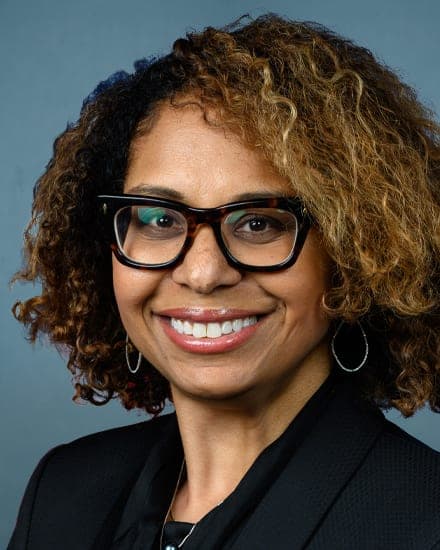
Rep. Kamlager-Dove’s record: sponsored 39 bills this Congress. 1 passed the House; 0 became law.
- Don BaconR-NE-2ORIGINAL
What readers think
Discussion
Get an alert when it changes stage, gets a floor vote in the House, or is signed into law.