National Institutes of Clean Energy Act of 2026
Creates a Department of Energy agency to support clean-energy and climate research, with priorities for affected communities, institutions, and areas with job losses.
In the House Science, Space, and Technology Committee since Oct. 1, 2026, 7 days after it was introduced. Most bills never leave committee.
- INTRODUCEDINTROOCT 1, 2026
- COMMITTEECOMM.IN COMMITTEE
- HOUSEHOUSE—
- SENATESENATE—
- LAWLAW—
What the bill would do, and why it matters
Clean-energy research examines ways to produce and use energy while reducing pollution and other harms. The bill would create a Department of Energy agency to fund clean-energy and climate research, including work on technology, community impacts, and energy jobs. It would prioritize certain communities, colleges and universities, and areas with severe job losses.
- INTRODUCED ONLY This bill has been introduced and possibly referred to a committee, but it has not passed any vote. Most introduced bills never become law — they die in committee without a hearing.
- DATA NOTE No Congressional Research Service summary was available.
- Establish a clean-energy research agency
The bill would establish the National Institutes of Clean Energy as an agency within the Department of Energy by January 1, 2030.
- Support clean-energy and climate research
The Institutes would invest in clean-energy science, climate science, innovation, and research and development. Supported work would include demonstrations and research on areas such as microgrids, energy storage, electric vehicles, and clean-energy technologies for aviation and shipping.
- Prioritize communities, jobs, and research institutions
The Institutes would give priority to work that improves public health or limits environmental harm in frontline, vulnerable, and disadvantaged communities, and to work that creates high-quality jobs with strong labor standards there. They would also prioritize research at public colleges and universities, land-grant colleges, minority-serving institutions, and in areas with severe job losses between 2018 and 2026.
- Study energy's effects on people and work
The Institutes would support research on the effects of energy production on frontline communities, including communities of color and low-income communities. They would also support research on energy-related job loss, job creation, and workforce development, particularly in heavily unionized sectors.
The bill identifies research gaps, including clean-energy topics it says are underrepresented in existing federal research and development funding. It also directs attention to environmental and public-health effects in frontline communities and to job losses in areas affected by deindustrialization or other economic changes.
The proposal would authorize a substantial amount for a new federal research agency, with its work intended to connect energy technology, community health, and employment.
Written from the bill text.
The path it took, step by step
- IntroducedOCT 1, 2026HOUSEOCT 1, 2026By Rep. Huffman with 5 original cosponsorsReferred to Science, Space, and Technology
- SAME DAYNOWHouse committeeOCT 1, 2026SCIENCE, SPACE, & TECHNOLOGY NOWOCT 1, 2026In committee for 7 daysNo hearing yet
- 7 DAYS SO FARPassed the House—HOUSE FLOOR—Not scheduled
- Senate committee—SENATE—
- Passed the Senate—SENATE FLOOR—Not scheduled
- Resolve differencesONLY IF NEEDEDBOTH CHAMBERSONLY IF NEEDEDSkipped if the other chamber passes the same text
- Signed into law—PRESIDENT—10 days to sign or veto
- OCT 12026OCT 1, 2026REFERREDHOUSEReferred to the House Committee on Science, Space, and Technology.
- OCT 12026OCT 1, 2026INTRODUCEDHOUSEIntroduced in House
At day 7, this bill is already older than 3% of the laws passed this Congress were when they were signed.
Where your members stand on it
A coalition from 4 states
Plus the sponsor, a Democrat. Every cosponsor is from one party.
Plus the sponsor, a Democrat. Every cosponsor is from one party.
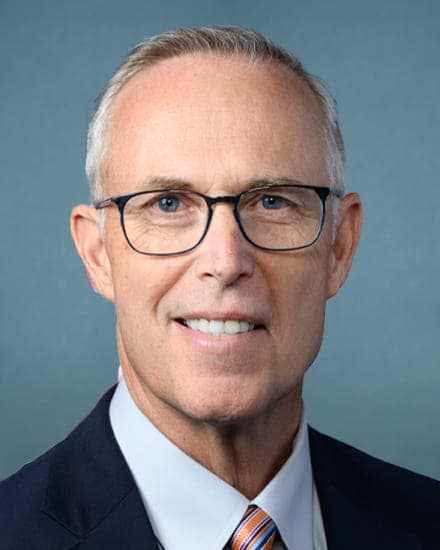
Rep. Huffman’s record: sponsored 31 bills this Congress. 0 passed the House; 0 became law.
- Yassamin AnsariD-AZ-3ORIGINAL
- Steve CohenD-TN-9ORIGINAL
- Adelita S. GrijalvaD-AZ-7ORIGINAL
- Jonathan L. JacksonD-IL-1ORIGINAL
- Lateefah SimonD-CA-12ORIGINAL
What readers think
Discussion
Get an alert when it changes stage, gets a floor vote in the House, or is signed into law.