Securing Our Critical Infrastructure Act
Expands CISA vulnerability warnings and cybersecurity services for covered utilities while limiting disclosure of information they share.
In the House Homeland Security Committee since Oct. 1, 2026, 7 days after it was introduced. Most bills never leave committee.
- INTRODUCEDINTROOCT 1, 2026
- COMMITTEECOMM.IN COMMITTEE
- HOUSEHOUSE—
- SENATESENATE—
- LAWLAW—
What the bill would do, and why it matters
Cybersecurity problems can disrupt the systems that provide essential services. The bill would broaden a federal program for warning about security vulnerabilities beyond ransomware and connect covered utilities with CISA cyber hygiene services and incident response. It would also limit how shared information can be used or disclosed.
- INTRODUCED ONLY This bill has been introduced and possibly referred to a committee, but it has not passed any vote. Most introduced bills never become law — they die in committee without a hearing.
- DATA NOTE No Congressional Research Service summary was available.
- Expand vulnerability warnings beyond ransomware
The bill would replace the existing ransomware vulnerability warning pilot with a security vulnerability warning program covering information systems more broadly, rather than only vulnerabilities associated with ransomware attacks.
- Enroll covered utilities in cyber hygiene services
CISA would automatically enroll each covered utility in applicable cyber hygiene services. A utility could leave a service by notifying the CISA Director.
- Provide incident response to affected utilities
If the CISA Director determines that a covered utility has been affected by a cyber incident, CISA would respond on the utility’s behalf, as appropriate.
- Protect information utilities share
Information shared for the program would be exempt from specified federal, state, local, and Tribal public-disclosure laws. The Director could disclose, retain, or use it only for specified purposes and would have to protect personal information and information identifying individuals from unauthorized use or disclosure.
- Define covered utilities and coordinate with EPA
Covered utilities would include water or wastewater utilities serving no more than 100,000 people, certain eligible entities, and operators of public water systems or treatment works. CISA would coordinate the program with the Environmental Protection Agency, and the program would end five years after enactment.
The practical change would be to extend vulnerability warnings beyond ransomware and connect covered utilities with cybersecurity services and incident response. The bill also addresses the handling of information utilities share, including limits on disclosure and requirements to protect personal information.
Written from the bill text.
The path it took, step by step
- IntroducedOCT 1, 2026HOUSEOCT 1, 2026By Rep. Gottheimer with 4 original cosponsorsReferred to Homeland Security
- SAME DAYNOWHouse committeeOCT 1, 2026HOMELAND SECURITY NOWOCT 1, 2026In committee for 7 daysNo hearing yet
- 7 DAYS SO FARPassed the House—HOUSE FLOOR—Not scheduled
- Senate committee—SENATE—
- Passed the Senate—SENATE FLOOR—Not scheduled
- Resolve differencesONLY IF NEEDEDBOTH CHAMBERSONLY IF NEEDEDSkipped if the other chamber passes the same text
- Signed into law—PRESIDENT—10 days to sign or veto
- OCT 12026OCT 1, 2026REFERREDHOUSEReferred to the House Committee on Homeland Security.
- OCT 12026OCT 1, 2026INTRODUCEDHOUSEIntroduced in House
At day 7, this bill is already older than 3% of the laws passed this Congress were when they were signed.
Where your members stand on it
A coalition from 4 states
Plus the sponsor, a Democrat. The smaller side has 2 members.
Plus the sponsor, a Democrat. The smaller side has 2 members.
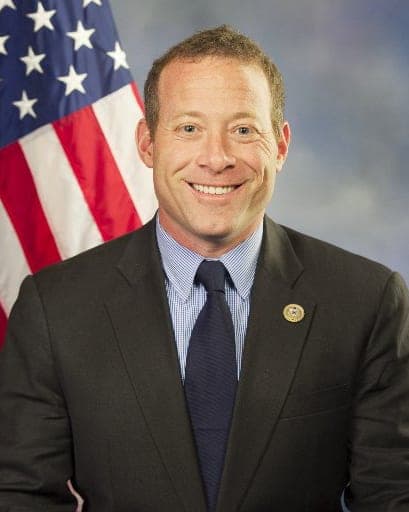
Rep. Gottheimer’s record: sponsored 98 bills this Congress. 2 passed the House; 0 became law.
- Don BaconR-NE-2ORIGINAL
- Greg LandsmanD-OH-1ORIGINAL
- Zachary NunnR-IA-3ORIGINAL
- Hillary J. ScholtenD-MI-3ORIGINAL
What readers think
Discussion
Get an alert when it changes stage, gets a floor vote in the House, or is signed into law.