China FIREWALL Act of 2026
Restricts executive agencies’ use and procurement of AI applications and related software from foreign entities of concern.
In the House Oversight and Government Reform Committee since Oct. 1, 2026, 7 days after it was introduced. Most bills never leave committee.
- INTRODUCEDINTROOCT 1, 2026
- COMMITTEECOMM.IN COMMITTEE
- HOUSEHOUSE—
- SENATESENATE—
- LAWLAW—
What the bill would do, and why it matters
Government agencies use software and AI tools in their work. The China FIREWALL Act would require executive agencies to remove certain AI applications and related software from their information technology and would bar them from procuring those tools. It provides specified exceptions and case-by-case national security waivers.
- INTRODUCED ONLY This bill has been introduced and possibly referred to a committee, but it has not passed any vote. Most introduced bills never become law — they die in committee without a hearing.
- DATA NOTE No Congressional Research Service summary was available.
- Require agencies to remove covered applications
Within 60 days after enactment, the Office of Management and Budget, working with four other named officials, would develop standards and guidelines requiring executive agencies to remove covered applications from their information technology. Covered applications include AI applications developed or provided by a foreign entity of concern, and software that uses a foundation model developed or provided by such an entity.
- Bar agencies from procuring covered applications
An executive agency could not procure a covered application, including software that uses one.
- Allow exceptions and national security waivers
Agency standards would include exceptions for law enforcement, national security activities and interests, and security researchers. Agencies would have to document risk-mitigation steps for authorized use under an exception; OMB could also waive the requirements case by case in the interest of national security.
The bill aims to limit the use of AI applications and related software from entities the law defines as foreign entities of concern on executive-branch information technology. Its practical stakes include which tools agencies may use or buy, while the stated exceptions and waiver process preserve some authorized uses.
Written from the bill text.
The path it took, step by step
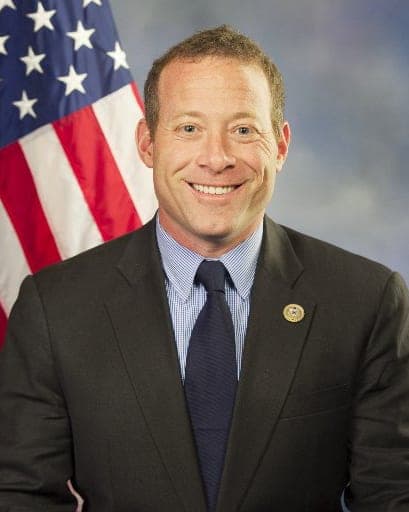
- IntroducedOCT 1, 2026HOUSEOCT 1, 2026By Rep. Gottheimer with 1 original cosponsorReferred to Oversight and Government Reform
- SAME DAYNOWHouse committeeOCT 1, 2026OVERSIGHT & GOVERNMENT REFORM NOWOCT 1, 2026In committee for 7 daysNo hearing yet
- 7 DAYS SO FARPassed the House—HOUSE FLOOR—Not scheduled
- Senate committee—SENATE—
- Passed the Senate—SENATE FLOOR—Not scheduled
- Resolve differencesONLY IF NEEDEDBOTH CHAMBERSONLY IF NEEDEDSkipped if the other chamber passes the same text
- Signed into law—PRESIDENT—10 days to sign or veto
- OCT 12026OCT 1, 2026REFERREDHOUSEReferred to the House Committee on Oversight and Government Reform.
- OCT 12026OCT 1, 2026INTRODUCEDHOUSEIntroduced in House
At day 7, this bill is already older than 3% of the laws passed this Congress were when they were signed.
Where your members stand on it
Support from one state
Plus the sponsor, a Democrat. Every cosponsor is from one party.
Plus the sponsor, a Democrat. Every cosponsor is from one party.
Rep. Gottheimer’s record: sponsored 98 bills this Congress. 2 passed the House; 0 became law.
- Nick LaLotaR-NY-1ORIGINAL
What readers think
Discussion
Get an alert when it changes stage, gets a floor vote in the House, or is signed into law.