Nicholas Douglas Quets Border Travel Safety Act
Creates a program for updated warnings about dangerous areas and routes near U.S.-Mexico border crossings.
In the House Foreign Affairs Committee since Oct. 1, 2026, 7 days after it was introduced. Most bills never leave committee.
- INTRODUCEDINTROOCT 1, 2026
- COMMITTEECOMM.IN COMMITTEE
- HOUSEHOUSE—
- SENATESENATE—
- LAWLAW—
What the bill would do, and why it matters
Travelers crossing the U.S.-Mexico land border may need information about dangers on nearby roads and routes. The bill would create a federal program to post and maintain warnings based on State Department Travel Advisories near border crossings. It also calls for agencies to review the signs and report on the program.
- INTRODUCED ONLY This bill has been introduced and possibly referred to a committee, but it has not passed any vote. Most introduced bills never become law — they die in committee without a hearing.
- DATA NOTE No Congressional Research Service summary was available.
- Create a border warning-sign program
The Department of Homeland Security, through Customs and Border Protection and in consultation with the State Department and General Services Administration, would establish and run a program for signs warning travelers about dangerous areas or routes near the southern border identified in State Department Travel Advisories.
- Place signs near southern border crossings
Signs would go at appropriate land ports of entry with Mexico, on nearby approach roads and routes, and at other suitable locations. They would warn about dangerous areas, point to more safety information, and be in English and Spanish, with other languages possible.
- Review and update warning signs
Homeland Security and the State Department would review signs annually and update them as needed when Travel Advisories change. The State Department would notify Homeland Security when critical changes require an update.
- Report on the program
Homeland Security would report on implementation, sign locations, update plans, and recommendations for improving traveler awareness. The Government Accountability Office would assess how effective the warnings are and identify possible improvements to how warnings are delivered.
The bill cites criminal activity, violence, kidnapping, and other threats in areas near the border. It says travelers may not know that nearby areas are identified as dangerous in State Department Travel Advisories, and that visible signs could help them make informed travel decisions.
The practical stakes are whether travelers receive timely warnings before entering or traveling through areas flagged in those advisories. The bill would have agencies carry out the program with existing resources rather than new appropriations.
Written from the bill text.
The path it took, step by step
- IntroducedOCT 1, 2026HOUSEOCT 1, 2026By Rep. Crane with 2 original cosponsorsReferred to Foreign Affairs
- SAME DAYNOWHouse committeeOCT 1, 2026FOREIGN AFFAIRS NOWOCT 1, 2026In committee for 7 daysNo hearing yet
- 7 DAYS SO FARPassed the House—HOUSE FLOOR—Not scheduled
- Senate committee—SENATE—
- Passed the Senate—SENATE FLOOR—Not scheduled
- Resolve differencesONLY IF NEEDEDBOTH CHAMBERSONLY IF NEEDEDSkipped if the other chamber passes the same text
- Signed into law—PRESIDENT—10 days to sign or veto
- OCT 12026OCT 1, 2026REFERREDHOUSEReferred to the House Committee on Foreign Affairs.
- OCT 12026OCT 1, 2026INTRODUCEDHOUSEIntroduced in House
At day 7, this bill is already older than 3% of the laws passed this Congress were when they were signed.
Where your members stand on it
Support from one state
Plus the sponsor, a Republican. The smaller side has 1 member.
Plus the sponsor, a Republican. The smaller side has 1 member.
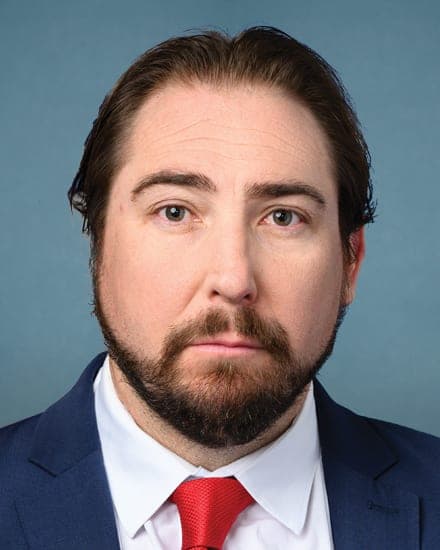
Rep. Crane’s record: sponsored 25 bills this Congress. 4 passed the House; 0 became law.
- Juan CiscomaniR-AZ-6ORIGINAL
- Greg StantonD-AZ-4ORIGINAL
What readers think
Discussion
Get an alert when it changes stage, gets a floor vote in the House, or is signed into law.