American Glove Act of 2026
Requires federal agencies to buy covered nitrile gloves from qualified U.S. manufacturers under enforceable supplier agreements.
In the House Oversight and Government Reform Committee since Oct. 1, 2026, 4 days after it was introduced. Most bills never leave committee.
- INTRODUCEDINTROOCT 1, 2026
- COMMITTEECOMM.IN COMMITTEE
- HOUSEHOUSE—
- SENATESENATE—
- LAWLAW—
What the bill would do, and why it matters
Federal agencies buy nitrile gloves for medical, public health, emergency response, and other protective uses. The bill would require covered purchases to come from qualified U.S. manufacturers through supplier agreements lasting at least two years and including a purchase commitment. It would also require agencies to document compliance while allowing them to continue using AbilityOne arrangements.
- INTRODUCED ONLY This bill has been introduced and possibly referred to a committee, but it has not passed any vote. Most introduced bills never become law — they die in committee without a hearing.
- DATA NOTE No Congressional Research Service summary was available.
- Require domestic glove manufacturing
Covered agencies would have to ensure that nitrile gloves bought through covered procurement arrangements are made in the United States by qualified domestic manufacturers. Those manufacturers must be majority-owned and controlled by U.S. persons, have commercial-scale production capacity, and not be subject to significant influence by a foreign entity of concern.
- Require direct supplier agreements
A procurement arrangement could supply covered gloves only if it included an enforceable agreement with a qualified domestic manufacturer. The agreement must last at least two years and include a binding minimum purchase commitment or another commercially reasonable commitment to buy gloves.
- Keep the named manufacturer in place
Agencies would generally have to keep buying from the manufacturer named in the supplier agreement for its term. Substitution would be allowed in specified circumstances, including the manufacturer’s written consent or material failure to perform, and would require a written agreement modification and documentation in the contract file.
- Certify procurement arrangements
For each covered procurement arrangement, the agency would have to keep a written certification in the contract file confirming domestic manufacturing and the required supplier agreement. If an arrangement does not comply, the agency would have to take appropriate corrective action under federal procurement law.
- Preserve AbilityOne purchasing options
The bill would allow agencies to continue using the AbilityOne Program and would not require them to remove gloves from the Procurement List or end an AbilityOne arrangement solely because a qualified domestic manufacturer supplies the gloves. Existing procurement arrangements could be brought into compliance through changes or supplier agreements rather than being terminated or put out for new competition.
The bill’s stated purpose is to ensure that federal nitrile-glove purchases comply with the Make PPE in America Act. It addresses purchases made through intermediary or shared contracting arrangements by requiring the manufacturer itself to receive a long-term agreement with a purchase commitment.
The bill also treats foreign influence over a manufacturer as a supply-chain, national-security, or domestic-manufacturing concern when it meets the bill’s criteria. Its approach would preserve the use of AbilityOne arrangements while requiring covered glove purchases to meet the domestic-manufacturing conditions.
Written from the bill text.
The path it took, step by step
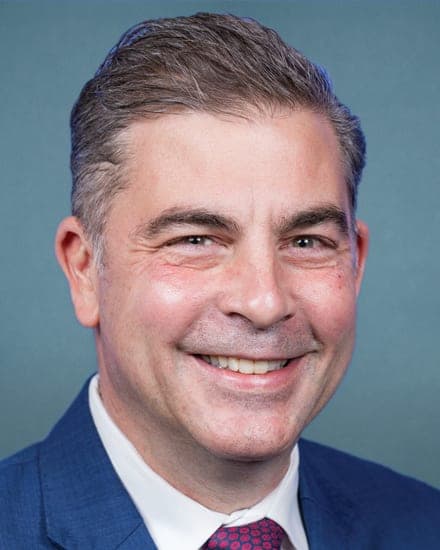
- IntroducedOCT 1, 2026HOUSEOCT 1, 2026By Rep. CareyReferred to Oversight and Government Reform
- SAME DAYNOWHouse committeeOCT 1, 2026OVERSIGHT & GOVERNMENT REFORM NOWOCT 1, 2026In committee for 4 daysNo hearing yet
- 4 DAYS SO FARPassed the House—HOUSE FLOOR—Not scheduled
- Senate committee—SENATE—
- Passed the Senate—SENATE FLOOR—Not scheduled
- Resolve differencesONLY IF NEEDEDBOTH CHAMBERSONLY IF NEEDEDSkipped if the other chamber passes the same text
- Signed into law—PRESIDENT—10 days to sign or veto
- OCT 12026OCT 1, 2026REFERREDHOUSEReferred to the House Committee on Oversight and Government Reform.
- OCT 12026OCT 1, 2026INTRODUCEDHOUSEIntroduced in House
At day 4, this bill is already older than 3% of the laws passed this Congress were when they were signed.
Where your members stand on it
What readers think
Discussion
Get an alert when it changes stage, gets a floor vote in the House, or is signed into law.