IMD CARE Act
Lets states use Medicaid for limited institutional care for eligible people with mental disorders while requiring continued support for community services.
In the House Energy and Commerce Committee since Oct. 1, 2026, 7 days after it was introduced. Most bills never leave committee.
- INTRODUCEDINTROOCT 1, 2026
- COMMITTEECOMM.IN COMMITTEE
- HOUSEHOUSE—
- SENATESENATE—
- LAWLAW—
What the bill would do, and why it matters
Medicaid coverage rules affect where people can receive publicly funded care for mental illness. The bill would let states use Medicaid to cover qualifying care in certain institutions for mental diseases, subject to a 30-day limit and requirements for community services, care transitions, screening and oversight. States choosing the option would also have to maintain specified spending on outpatient and community-based care.
- INTRODUCED ONLY This bill has been introduced and possibly referred to a committee, but it has not passed any vote. Most introduced bills never become law — they die in committee without a hearing.
- DATA NOTE No Congressional Research Service summary was available.
- Lets states cover qualifying institutional care
A state could amend its Medicaid plan to cover services for an enrolled person aged 21 through 64 who has at least one mental disorder and is a patient in an institution for mental diseases. Medicaid payments under this option would be limited to 30 days, consecutive or not, in a 12-month period.
- Requires states to protect community-care spending
A state using the option would have to maintain, each year, its state and local spending on specified outpatient and community-based services at no less than its fiscal year 2023 level. Those services include mental health and substance use treatment, crisis care, peer support, medication, housing support and services from community behavioral health clinics.
- Sets requirements for safe care and transitions
States would have to require screening and placement criteria, review facility compliance, and ensure patients are screened and treated for co-occurring conditions. They would also have to plan for transitions to community care, assess service availability, improve provider coordination and connections to treatment, and take steps to support earlier treatment engagement.
- Preserves other Medicaid managed-care payments
The option would not limit states’ ability to make monthly capitation payments to managed-care organizations for people receiving treatment in institutions for mental diseases under existing regulations. It also would not bar federal Medicaid participation for other covered services provided to a person during the institutional-care period.
The bill’s stated purpose is to let states provide Medicaid assistance for certain people with a serious mental illness who receive care in institutions for mental diseases. It would connect that option to requirements intended to preserve community-based services and support transitions back to those services.
The practical difference would depend on whether a state chose the option and how it met the conditions. The bill does not specify a federal spending total.
Written from the bill text.
The path it took, step by step
- IntroducedOCT 1, 2026HOUSEOCT 1, 2026By Rep. Bentz with 1 original cosponsorReferred to Energy and Commerce
- SAME DAYNOWHouse committeeOCT 1, 2026ENERGY & COMMERCE NOWOCT 1, 2026In committee for 7 daysNo hearing yet
- 7 DAYS SO FARPassed the House—HOUSE FLOOR—Not scheduled
- Senate committee—SENATE—
- Passed the Senate—SENATE FLOOR—Not scheduled
- Resolve differencesONLY IF NEEDEDBOTH CHAMBERSONLY IF NEEDEDSkipped if the other chamber passes the same text
- Signed into law—PRESIDENT—10 days to sign or veto
- OCT 12026OCT 1, 2026REFERREDHOUSEReferred to the House Committee on Energy and Commerce.
- OCT 12026OCT 1, 2026INTRODUCEDHOUSEIntroduced in House
At day 7, this bill is already older than 3% of the laws passed this Congress were when they were signed.
Where your members stand on it
Support from one state
Plus the sponsor, a Republican. Every cosponsor is from one party.
Plus the sponsor, a Republican. Every cosponsor is from one party.
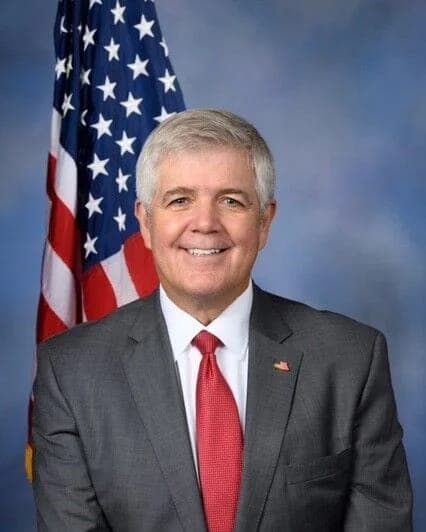
Rep. Bentz’s record: sponsored 17 bills this Congress. 1 passed the House; 0 became law.
- Daniel S. GoldmanD-NY-10ORIGINAL
What readers think
Discussion
Get an alert when it changes stage, gets a floor vote in the House, or is signed into law.