SMART Act
Requires federal officials to give every state Medicaid fraud-detection analytics, training, and alerts about risks across programs.
In the House Energy and Commerce Committee since Oct. 1, 2026, 7 days after it was introduced. Most bills never leave committee.
- INTRODUCEDINTROOCT 1, 2026
- COMMITTEECOMM.IN COMMITTEE
- HOUSEHOUSE—
- SENATESENATE—
- LAWLAW—
What the bill would do, and why it matters
Medicaid programs need ways to identify improper billing, enrollment, and use of services. The SMART Act would require federal officials to make shared fraud-detection analytics available to every state, provide training, and report to Congress on access and results. The tools would flag possible risks across state and federal health care programs.
- INTRODUCED ONLY This bill has been introduced and possibly referred to a committee, but it has not passed any vote. Most introduced bills never become law — they die in committee without a hearing.
- DATA NOTE No Congressional Research Service summary was available.
- Make analytics available to every state
The Secretary of Health and Human Services would have to make standardized tools available to each state to help identify and prevent Medicaid fraud, waste, and abuse. The tools would need to work with Medicaid claims, eligibility, enrollment, and other relevant systems, and let states review risk indicators, access data and analysis, use investigative tools, and produce state-level reports.
- Flag risks across states and programs
The tools would use billing, use, enrollment, and other relevant federal health program data to identify risks involving providers, suppliers, and other entities that participate in multiple state Medicaid programs or federal health care programs. The Secretary would provide states with alerts based on those indicators, including alerts that apply across more than one state or program.
- Train states to use the tools
The Secretary would have to provide states with technical assistance and training on how to use the analytics technologies.
- Report on access and results
The Secretary would report to Congress on state access to and use of the tools, barriers to access or use, possible fraud, waste, and abuse identified, and estimated overpayments identified and collected in connection with those cases.
The bill’s stated purpose is to help states identify and prevent fraud, waste, and abuse in Medicaid. Shared analytics could help states examine patterns involving billing, service use, and enrollment across programs, while the reporting requirement would give Congress information about access, use, and identified overpayments.
Written from the bill text.
The path it took, step by step
- IntroducedOCT 1, 2026HOUSEOCT 1, 2026By Rep. Balderson with 4 original cosponsorsReferred to Energy and Commerce
- SAME DAYNOWHouse committeeOCT 1, 2026ENERGY & COMMERCE NOWOCT 1, 2026In committee for 7 daysNo hearing yet
- 7 DAYS SO FARPassed the House—HOUSE FLOOR—Not scheduled
- Senate committee—SENATE—
- Passed the Senate—SENATE FLOOR—Not scheduled
- Resolve differencesONLY IF NEEDEDBOTH CHAMBERSONLY IF NEEDEDSkipped if the other chamber passes the same text
- Signed into law—PRESIDENT—10 days to sign or veto
- OCT 12026OCT 1, 2026REFERREDHOUSEReferred to the House Committee on Energy and Commerce.
- OCT 12026OCT 1, 2026INTRODUCEDHOUSEIntroduced in House
At day 7, this bill is already older than 3% of the laws passed this Congress were when they were signed.
Where your members stand on it
A coalition from 4 states
Plus the sponsor, a Republican. Every cosponsor is from one party.
Plus the sponsor, a Republican. Every cosponsor is from one party.
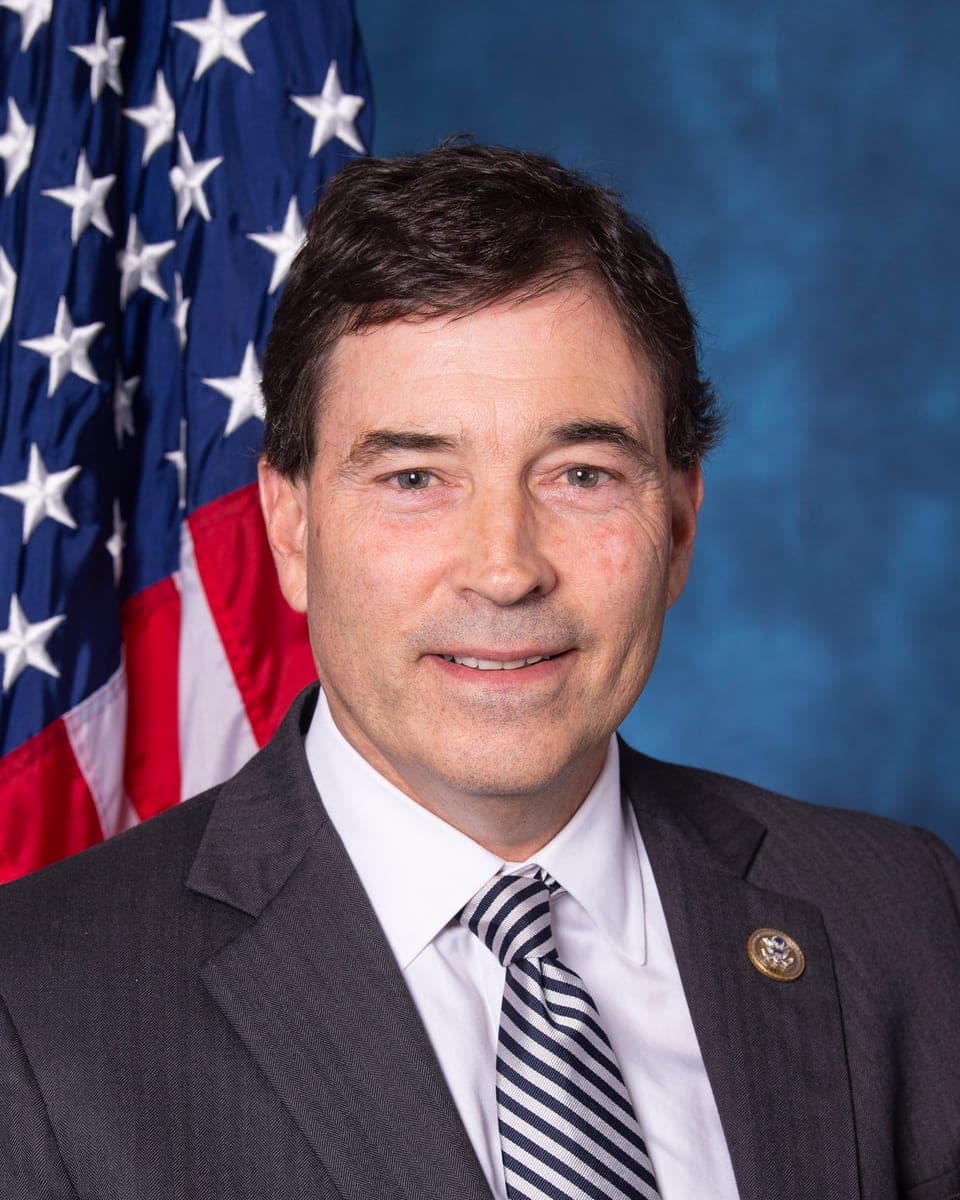
Rep. Balderson’s record: sponsored 25 bills this Congress. 6 passed the House; 0 became law.
- Gus M. BilirakisR-FL-12ORIGINAL
- Diana HarshbargerR-TN-1ORIGINAL
- John JoyceR-PA-13ORIGINAL
- August PflugerR-TX-11ORIGINAL
What readers think
Discussion
Get an alert when it changes stage, gets a floor vote in the House, or is signed into law.