Bills · HR 1064
IN COMMITTEE· 119TH CONGRESS
House BillHR 1064Criminal procedure and sentencingDrug trafficking and controlled substances
Stopping Overdoses of Fentanyl Analogues Act
INTRO FEB 6· LAST ACTION FEB 6
READING
2MIN
COSPONSORS
0
READER REACTIONS0 TOTAL
NO VOTES YET · BE THE FIRST
- Introduced only
LEGISLATIVE PROGRESS
STEP 2 / 8Introduced
In Committee
Reported
Passed House
Passed Senate
Conference
To President
Became Law
WHAT THE BILL DOES
AI-writtenThis bill matters because fentanyl and its various chemical relatives are a primary driver of the opioid overdose crisis in the United States, causing tens of thousands of deaths each year. Currently, drug makers often try to evade the law by slightly altering fentanyl's chemical structure to create new versions that are not yet explicitly listed as illegal. This bill attempts to close that loophole by automatically classifying a wide array of these new, chemically similar substances as illegal.
If this bill becomes law, it could help law enforcement respond more quickly to the emergence of new fentanyl variations, potentially reducing the supply of these dangerous drugs. However, if it doesn't pass, the current, slower process for scheduling new fentanyl variations would continue, possibly allowing more of these deadly drugs to circulate before they are fully prohibited, which could allow the opioid crisis to continue to worsen. The debate around this bill often centers on balancing the need for rapid action against dangerous drugs with concerns about potential over-criminalization and the scope of federal drug scheduling authority.
KEY PROVISIONS
4AI-extractedPROVISION 01
Automatically lists a broad category of fentanyl-related substances as Schedule I controlled substances under federal law.
This simplifies and speeds up the process of making new fentanyl variations illegal, bypassing individual scheduling debates.
PROVISION 02
Defines what constitutes a 'fentanyl-related substance' by outlining specific chemical structural modifications.
This aims to create a clear legal standard for what substances are covered by the new scheduling, providing clarity for enforcement.
PROVISION 03
Treats fentanyl-related substances as illegal analogues under existing federal penalty provisions without requiring separate proof that they meet the general 'controlled substance analogue' definition.
It simplifies prosecution by removing a legal hurdle for prosecutors, making it easier to secure convictions for dealing these substances.
PROVISION 04
The act takes effect one day after its enactment.
This ensures rapid implementation of the new classifications and penalties to address the ongoing overdose crisis quickly.
SPONSORSHIP
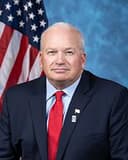
1 + 0
R· Wisconsin
YRS IN OFFICE
5
BILLS LED
32
ACTION TIMELINE
2 EVENTSFEB 6
Introduced in House
FEB 6
Referred to the Committee on Energy and Commerce, and in addition to the Committee on the Judiciary, for a period to be subsequently determined by the Speaker, in each case for consideration of such provisions as fall within the jurisdiction of the committee concerned.
BILL INFO
TypeHouse Bill
NumberHR 1064
Congress119th
StatusIn Committee
IntroducedFeb 6, 2025
Last actionFeb 6, 2025
READER REACTIONS
OVERALL SENTIMENT
No reactions yet. Be the first to weigh in.
Discussion
Loading comments...
IN COMMITTEE· 119TH CONGRESS · JUDICIARY COMMITTEE · INTRODUCED FEB 6, 2025
House BillHR 1064Criminal procedure and sentencingDrug trafficking and controlled substances
Stopping Overdoses of Fentanyl Analogues Act
INTRODUCED FEB 6, 2025· LAST ACTION FEB 6, 2025
PASSAGE CHANCES
—%
READING
2 min
COSPONSORS
0
COMPLEXITY
Moderate