Voter Vouching Transparency Act
Requires states that allow voter vouching to report its use in federal elections and makes those reports public.
In the House Administration Committee since Sept. 28, 2026, 7 days after it was introduced. Most bills never leave committee.
- INTRODUCEDINTROSEP 28, 2026
- COMMITTEECOMM.IN COMMITTEE
- HOUSEHOUSE—
- SENATESENATE—
- LAWLAW—
What the bill would do, and why it matters
Voter vouching lets one person attest to another person's identity or residence for voter registration. The bill would require states that allow it to report how often it is used and rejected in federal elections. It would bar personal identifying information from the reports and make them publicly available.
- INTRODUCED ONLY This bill has been introduced and possibly referred to a committee, but it has not passed any vote. Most introduced bills never become law — they die in committee without a hearing.
- DATA NOTE No Congressional Research Service summary was available.
- Require states to report voter vouching
After each regularly scheduled general election for federal office, a state that allows voter vouching must report how many people registered using a voucher, how many people served as vouchers, and how many people each voucher vouched for. The state must also report attempted voucher-based registrations it rejected, by reason when it keeps records of those reasons.
- Keep personal information out of reports
Reports may not include personally identifying information, including names, addresses, voter identification numbers, phone numbers, signatures, or dates of birth.
- Make reports publicly available
The Election Assistance Commission must make each state report available to the public for 22 months after receiving it. If practicable, the Commission must allow states to submit reports through its Election Administration and Voting Survey.
The bill would make information about voter vouching in federal elections available to the public, including how often it is used and how many attempted registrations are rejected. The reports would be subject to a ban on personally identifying information.
Written from the bill text.
The path it took, step by step
- IntroducedSEP 28, 2026HOUSESEP 28, 2026By Rep. Stauber with 3 original cosponsorsReferred to Administration
- SAME DAYNOWHouse committeeSEP 28, 2026ADMINISTRATION NOWSEP 28, 2026In committee for 7 daysNo hearing yet
- 7 DAYS SO FARPassed the House—HOUSE FLOOR—Not scheduled
- Senate committee—SENATE—
- Passed the Senate—SENATE FLOOR—Not scheduled
- Resolve differencesONLY IF NEEDEDBOTH CHAMBERSONLY IF NEEDEDSkipped if the other chamber passes the same text
- Signed into law—PRESIDENT—10 days to sign or veto
- SEP 282026SEP 28, 2026REFERREDHOUSEReferred to the House Committee on House Administration.
- SEP 282026SEP 28, 2026INTRODUCEDHOUSEIntroduced in House
At day 7, this bill is already older than 3% of the laws passed this Congress were when they were signed.
Where your members stand on it
Support from one state
Plus the sponsor, a Republican. Every cosponsor is from one party.
Plus the sponsor, a Republican. Every cosponsor is from one party.
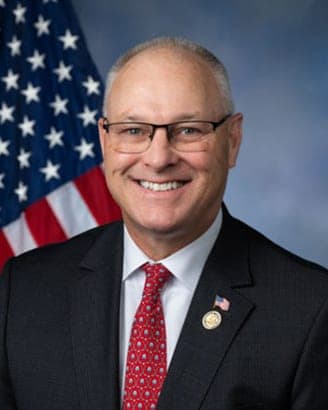
Rep. Stauber’s record: sponsored 25 bills this Congress. 8 passed the House; 2 became law.
- Tom EmmerR-MN-6ORIGINAL
- Brad FinstadR-MN-1ORIGINAL
- Michelle FischbachR-MN-7ORIGINAL
What readers think
Discussion
Get an alert when it changes stage, gets a floor vote in the House, or is signed into law.