Medicaid Fraud Prevention Act
Requires states to assess Medicaid fraud risks each year, address identified weaknesses, and report findings to federal officials.
In the House Energy and Commerce Committee since Sept. 28, 2026, 7 days after it was introduced. Most bills never leave committee.
- INTRODUCEDINTROSEP 28, 2026
- COMMITTEECOMM.IN COMMITTEE
- HOUSEHOUSE—
- SENATESENATE—
- LAWLAW—
What the bill would do, and why it matters
Medicaid programs need ways to find and address fraud risks in payments and enrollment. The bill would require states to assess those risks each year, make plans to fix identified weaknesses, and report their findings to federal officials. Federal officials would set assessment guidelines and report national patterns to Congress.
- INTRODUCED ONLY This bill has been introduced and possibly referred to a committee, but it has not passed any vote. Most introduced bills never become law — they die in committee without a hearing.
- Require annual state fraud assessments
States would complete a comprehensive assessment of fraud risks across their Medicaid plans and waivers within one year of enactment and at least annually afterward. The assessment would cover fee-for-service care, managed care, and eligibility and enrollment systems, and use specified federal and state program-integrity data to the extent practicable.
- Require corrective plans for vulnerabilities
Within 90 days after completing an assessment, a state would implement a plan to address identified vulnerabilities. The plan would include measurable outcomes and specific deadlines for corrective actions.
- Require states to report findings
States would report assessment results, major vulnerabilities, estimated potential improper expenditures, corrective actions, and progress to the Secretary of Health and Human Services. The first report would be due within one year after the first assessment, with reports annually thereafter.
- Set federal fraud-risk guidelines
The Secretary of Health and Human Services would establish guidelines for identifying and ranking risk categories, including risks involving eligibility, provider enrollment, claims processing, and managed care. The guidelines would support comparisons among states’ assessments.
- Report national findings to Congress
The Secretary would annually analyze states’ reports, identify national trends in Medicaid fraud risk, evaluate state corrective plans, and recommend legislative or administrative action.
The bill focuses on finding vulnerabilities that could lead to Medicaid fraud, waste, or abuse, and on tracking whether states address them. It calls for estimates of potential improper expenditures and for federal analysis of patterns across states.
Written from the bill text and the CRS summary.
The path it took, step by step
- IntroducedSEP 28, 2026HOUSESEP 28, 2026By Rep. Rulli with 5 original cosponsorsReferred to Energy and Commerce
- SAME DAYNOWHouse committeeSEP 28, 2026ENERGY & COMMERCE NOWSEP 28, 2026In committee for 7 daysNo hearing yet
- 7 DAYS SO FARPassed the House—HOUSE FLOOR—Not scheduled
- Senate committee—SENATE—
- Passed the Senate—SENATE FLOOR—Not scheduled
- Resolve differencesONLY IF NEEDEDBOTH CHAMBERSONLY IF NEEDEDSkipped if the other chamber passes the same text
- Signed into law—PRESIDENT—10 days to sign or veto
- SEP 282026SEP 28, 2026REFERREDHOUSEReferred to the House Committee on Energy and Commerce.
- SEP 282026SEP 28, 2026INTRODUCEDHOUSEIntroduced in House
At day 7, this bill is already older than 3% of the laws passed this Congress were when they were signed.
Where your members stand on it
A coalition from 5 states
Plus the sponsor, a Republican. Every cosponsor is from one party.
Plus the sponsor, a Republican. Every cosponsor is from one party.
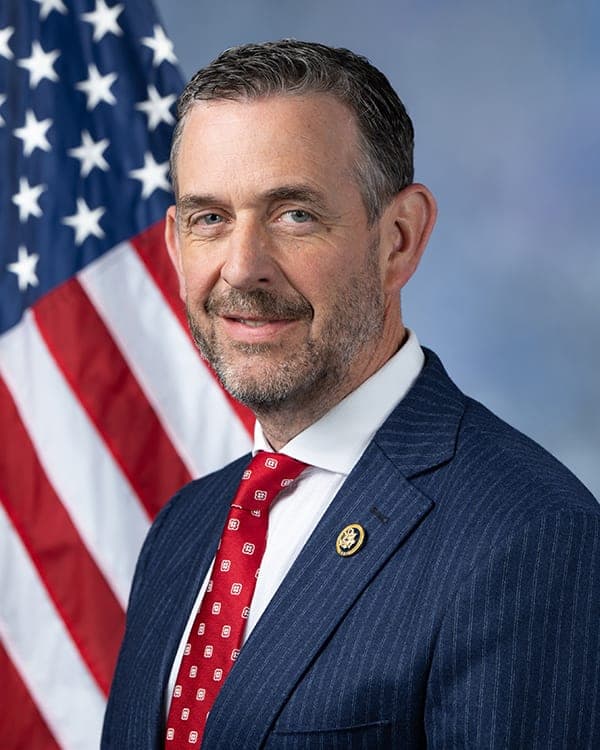
Rep. Rulli’s record: sponsored 23 bills this Congress. 1 passed the House; 0 became law.
- Cliff BentzR-OR-2ORIGINAL
- Andy BiggsR-AZ-5ORIGINAL
- Buddy CarterR-GA-1ORIGINAL
- Michelle FischbachR-MN-7ORIGINAL
- David J. TaylorR-OH-2ORIGINAL
- Brad FinstadR-MN-1OCT 1, 2026
What readers think
Discussion
Get an alert when it changes stage, gets a floor vote in the House, or is signed into law.