Medicaid Integrity and Fiscal Accountability Act
Requires each State to name one person responsible for key Medicaid fiscal duties beginning in 2028.
In the House Energy and Commerce Committee since Sept. 28, 2026, 10 days after it was introduced. Most bills never leave committee.
- INTRODUCEDINTROSEP 28, 2026
- COMMITTEECOMM.IN COMMITTEE
- HOUSEHOUSE—
- SENATESENATE—
- LAWLAW—
What the bill would do, and why it matters
Medicaid programs have to handle claims, payments, and financial reporting accurately. The bill would require each State to name one person responsible for overseeing those fiscal duties, including efforts to prevent improper payments and ensure spending follows federal rules. The requirement would begin January 1, 2028.
- INTRODUCED ONLY This bill has been introduced and possibly referred to a committee, but it has not passed any vote. Most introduced bills never become law — they die in committee without a hearing.
- DATA NOTE No Congressional Research Service summary was available.
- Designate one Medicaid fiscal lead
Beginning January 1, 2028, each State would have to designate an individual primarily responsible for specified fiscal duties for its Medicaid state plan or waiver.
- Oversee claims processing
The designated individual would be responsible for establishing policies, procedures, monitoring systems, and corrective actions to ensure claims are processed and decided accurately and on time.
- Protect payment integrity
The individual would oversee efforts to identify and prevent fraud, waste, abuse, and improper payments, and would be responsible for corrective actions when deficiencies are identified.
- Check financial reporting and controls
The individual would be responsible for accurate, complete, and timely financial reporting, including reports of state expenditures and expenditures eligible for federal matching funds, and for controls that ensure spending follows federal requirements.
The practical change would be to place primary responsibility for several Medicaid fiscal duties with one designated individual in each State. The bill does not state a specific problem or describe what would happen if the requirement were not adopted.
Written from the bill text.
The path it took, step by step
- IntroducedSEP 28, 2026HOUSESEP 28, 2026By Rep. Pfluger with 2 original cosponsorsReferred to Energy and Commerce
- SAME DAYNOWHouse committeeSEP 28, 2026ENERGY & COMMERCE NOWSEP 28, 2026In committee for 10 daysNo hearing yet
- 10 DAYS SO FARPassed the House—HOUSE FLOOR—Not scheduled
- Senate committee—SENATE—
- Passed the Senate—SENATE FLOOR—Not scheduled
- Resolve differencesONLY IF NEEDEDBOTH CHAMBERSONLY IF NEEDEDSkipped if the other chamber passes the same text
- Signed into law—PRESIDENT—10 days to sign or veto
- SEP 282026SEP 28, 2026REFERREDHOUSEReferred to the House Committee on Energy and Commerce.
- SEP 282026SEP 28, 2026INTRODUCEDHOUSEIntroduced in House
At day 10, this bill is already older than 3% of the laws passed this Congress were when they were signed.
Where your members stand on it
A coalition from 2 states
Plus the sponsor, a Republican. Every cosponsor is from one party.
Plus the sponsor, a Republican. Every cosponsor is from one party.
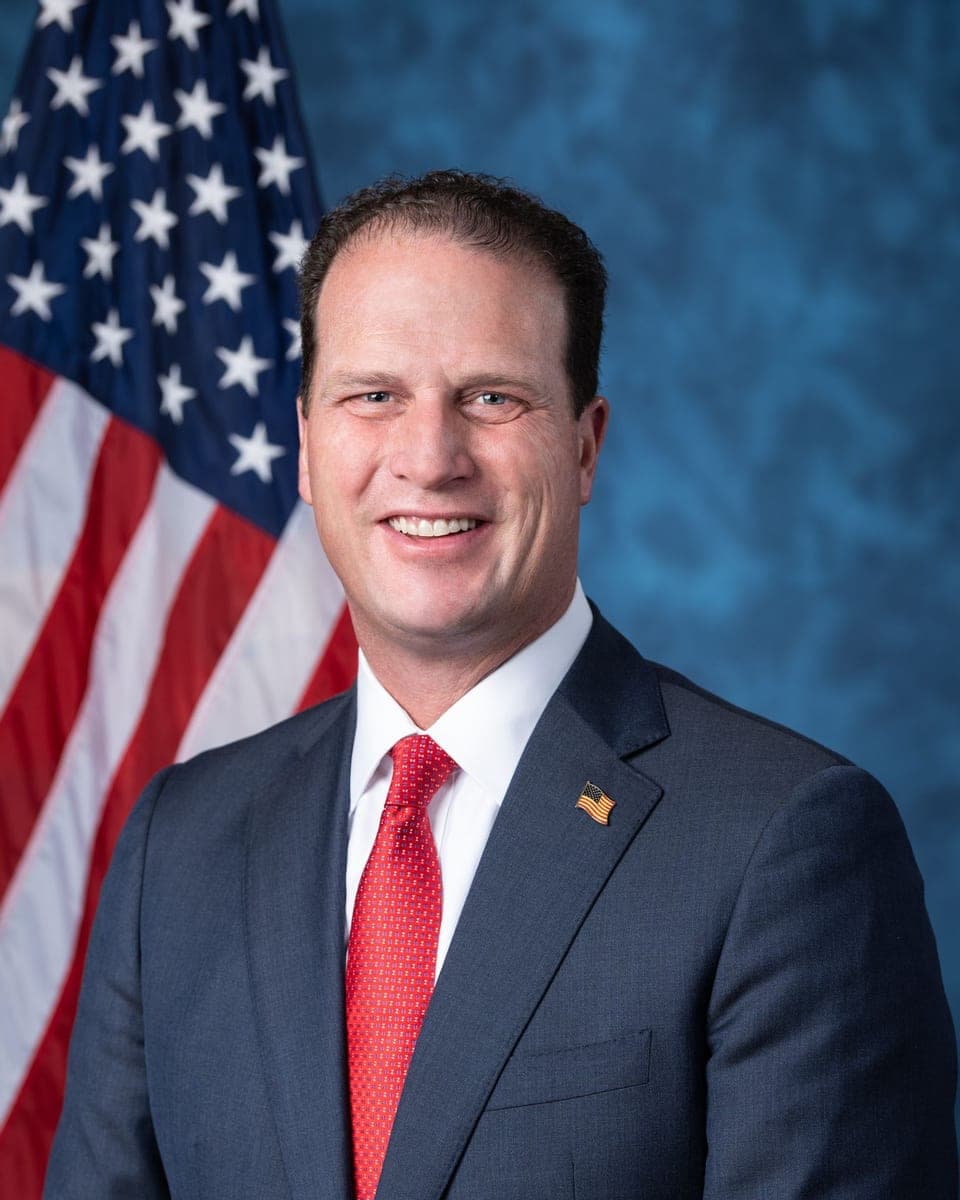
Rep. Pfluger’s record: sponsored 64 bills this Congress. 13 passed the House; 1 became law.
- Troy BaldersonR-OH-12ORIGINAL
- John JoyceR-PA-13ORIGINAL
What readers think
Discussion
Get an alert when it changes stage, gets a floor vote in the House, or is signed into law.