Smaller Class Sizes for Students and Educators Act of 2026
Creates competitive grants to help local school agencies reduce kindergarten-through-third-grade class sizes and support the teachers and classrooms needed.
In the House Education and Workforce Committee since Sept. 28, 2026, 7 days after it was introduced. Most bills never leave committee.
- INTRODUCEDINTROSEP 28, 2026
- COMMITTEECOMM.IN COMMITTEE
- HOUSEHOUSE—
- SENATESENATE—
- LAWLAW—
What the bill would do, and why it matters
Public schools organize students into classes, and class size can shape how instruction is delivered. This bill would create competitive grants for local educational agencies to reduce kindergarten-through-third-grade class sizes at selected schools. It would prioritize agencies serving students from lower-income families and require plans, annual reports, and an evaluation of results.
- INTRODUCED ONLY This bill has been introduced and possibly referred to a committee, but it has not passed any vote. Most introduced bills never become law — they die in committee without a hearing.
- DATA NOTE No Congressional Research Service summary was available.
- Create grants for smaller early-grade classes
The Education Secretary would award competitive five-year grants to local educational agencies to reduce class sizes in kindergarten through grade 3. Grant priority would go to agencies serving the greatest number or percentage of students from families at or below the poverty line.
- Direct most grant money to classrooms
Agencies would have to use at least 97 percent of grant funds to reduce class sizes at targeted schools, including by hiring qualified teachers, adding classroom space, providing teacher development, and gathering public feedback about working conditions. No more than 15 percent could go to adding or renovating space, and no more than 15 percent to professional development.
- Set school plans and class-size goals
Applicants would submit an evidence-based plan to reduce classes to no more than 18 students at targeted schools. Targeted schools are public elementary schools in the highest quartile within their local agency based on the number of students eligible for free or reduced-price lunch; agencies would prioritize schools with the highest poverty levels and then the largest average early-grade classes.
- Require reports and program evaluation
Grant recipients would report annually on their activities and progress toward class-size goals. The Education Secretary would evaluate the program, including student achievement where assessment data is available, teacher working conditions and retention, and student discipline and absenteeism.
The bill is intended to help public schools reduce class sizes in the early grades while also addressing teacher recruitment, training, preparation time, and working conditions. Its requirements connect grant funding to both classroom changes and tracking how those changes relate to student and educator outcomes.
Written from the bill text.
The path it took, step by step
- IntroducedSEP 28, 2026HOUSESEP 28, 2026By Rep. McBath with 2 original cosponsorsReferred to Education and Workforce
- SAME DAYNOWHouse committeeSEP 28, 2026EDUCATION & WORKFORCE NOWSEP 28, 2026In committee for 7 daysNo hearing yet
- 7 DAYS SO FARPassed the House—HOUSE FLOOR—Not scheduled
- Senate committee—SENATE—
- Passed the Senate—SENATE FLOOR—Not scheduled
- Resolve differencesONLY IF NEEDEDBOTH CHAMBERSONLY IF NEEDEDSkipped if the other chamber passes the same text
- Signed into law—PRESIDENT—10 days to sign or veto
- SEP 282026SEP 28, 2026REFERREDHOUSEReferred to the House Committee on Education and Workforce.
- SEP 282026SEP 28, 2026INTRODUCEDHOUSEIntroduced in House
At day 7, this bill is already older than 3% of the laws passed this Congress were when they were signed.
Where your members stand on it
A coalition from 2 states
Plus the sponsor, a Democrat. Every cosponsor is from one party.
Plus the sponsor, a Democrat. Every cosponsor is from one party.
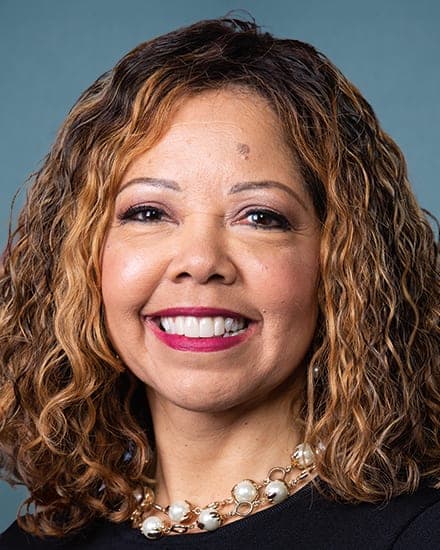
Rep. McBath’s record: sponsored 23 bills this Congress. 0 passed the House; 0 became law.
- Shontel M. BrownD-OH-11ORIGINAL
- Eleanor Holmes NortonD-DC-ALORIGINAL
What readers think
Discussion
Get an alert when it changes stage, gets a floor vote in the House, or is signed into law.