Spending Safeguard Act
Sets spending limits for certain direct-spending programs and restricts new obligations if a program reaches its limit.
In the House Budget Committee since Sept. 28, 2026, 7 days after it was introduced. Most bills never leave committee.
- INTRODUCEDINTROSEP 28, 2026
- COMMITTEECOMM.IN COMMITTEE
- HOUSEHOUSE—
- SENATESENATE—
- LAWLAW—
What the bill would do, and why it matters
Some federal programs provide benefits or make other payments directly from federal funds. The bill would set spending limits for certain new or reauthorized direct-spending programs, based on estimated six-year costs, while excluding Medicare and Social Security. It would require public tracking and reports, and stop new obligations for a covered program after it reaches its limit.
- INTRODUCED ONLY This bill has been introduced and possibly referred to a committee, but it has not passed any vote. Most introduced bills never become law — they die in committee without a hearing.
- DATA NOTE No Congressional Research Service summary was available.
- Set caps for certain direct-spending programs
For a covered program enacted or reauthorized after the Act, the Office of Management and Budget would set a spending limit within 90 days. The limit would be 120% of the program’s estimated six-year cost for programs in budget functions 050, 550, 600, or 700, and 110% for other covered programs; Medicare and Social Security are excluded.
- Stop obligations after a cap is reached
If OMB determines that a covered program has reached its limit, no funds could be obligated for it starting 30 days later. If OMB determines a program is on track to reach its limit within six months, it must report that determination to the relevant congressional committees.
- Track and report program spending
OMB would maintain a public scorecard of covered programs and report spending levels and their relation to the limits to congressional Budget committees after each six-month period. Treasury would send OMB monthly spending reports, and the President’s budget submissions would include a report on covered programs.
- Notify covered program participants
Federal agencies would have to include information in contracts, benefit offers, or other materials for participants explaining that the program has a spending limit that could affect future funding availability.
The bill would tie certain programs’ spending to limits based on their estimated six-year costs. If a program reached its limit, the restriction on new obligations could affect whether future program commitments can be made.
Written from the bill text.
The path it took, step by step
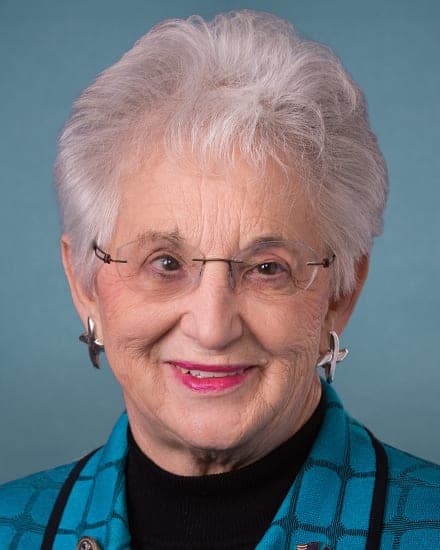
- IntroducedSEP 28, 2026HOUSESEP 28, 2026By Rep. FoxxReferred to Budget
- SAME DAYNOWHouse committeeSEP 28, 2026BUDGET NOWSEP 28, 2026In committee for 7 daysNo hearing yet
- 7 DAYS SO FARPassed the House—HOUSE FLOOR—Not scheduled
- Senate committee—SENATE—
- Passed the Senate—SENATE FLOOR—Not scheduled
- Resolve differencesONLY IF NEEDEDBOTH CHAMBERSONLY IF NEEDEDSkipped if the other chamber passes the same text
- Signed into law—PRESIDENT—10 days to sign or veto
- SEP 282026SEP 28, 2026REFERREDHOUSEReferred to the House Committee on the Budget.
- SEP 282026SEP 28, 2026INTRODUCEDHOUSEIntroduced in House
At day 7, this bill is already older than 3% of the laws passed this Congress were when they were signed.
Where your members stand on it
What readers think
Discussion
Get an alert when it changes stage, gets a floor vote in the House, or is signed into law.