Medicaid Integrity Improvement Act
Requires state Medicaid fraud control units to audit a sample of high-risk providers and suppliers at least annually.
In the House Energy and Commerce Committee since Sept. 28, 2026, 7 days after it was introduced. Most bills never leave committee.
- INTRODUCEDINTROSEP 28, 2026
- COMMITTEECOMM.IN COMMITTEE
- HOUSEHOUSE—
- SENATESENATE—
- LAWLAW—
What the bill would do, and why it matters
Medicaid needs ways to identify improper billing and potential provider fraud. The bill would require state Medicaid fraud control units to audit a statistically valid sample of high-risk providers and suppliers at least annually. It would also require units to report audit findings and allow a corrective action plan when a unit misses the audit requirement.
- INTRODUCED ONLY This bill has been introduced and possibly referred to a committee, but it has not passed any vote. Most introduced bills never become law — they die in committee without a hearing.
- DATA NOTE No Congressional Research Service summary was available.
- Audit high-risk Medicaid providers
State Medicaid fraud control units would audit a statistically valid sample of high-risk providers and suppliers at least annually, coordinating with the HHS Inspector General and the state agency that runs Medicaid when appropriate. The audits would look for potential fraud, waste, and abuse.
- Report audit results and collections
Beginning with the first annual report submitted to the Secretary after the one-year mark, each unit would summarize its audits and describe whether overpayments were identified and collected or referred for collection.
- Allow corrective plans for missed audits
If the Secretary finds that a unit did not meet the audit requirement, the Secretary could still certify or recertify it if the unit submits and carries out a corrective action plan that meets the Secretary’s standards.
- Define high-risk providers
A high-risk provider or supplier would include one designated high categorical risk under federal screening rules, or one identified as high-risk based on factors such as unusual billing, prior audits, payment anomalies, ownership risks, or credible fraud allegations.
The bill is aimed at finding potential Medicaid fraud, waste, and abuse, and at tracking whether overpayments are recovered or referred for collection. It would make recurring audits of a sample of high-risk providers part of the federal requirements for state Medicaid fraud control units.
Written from the bill text.
The path it took, step by step
- IntroducedSEP 28, 2026HOUSESEP 28, 2026By Rep. Balderson with 3 original cosponsorsReferred to Energy and Commerce
- SAME DAYNOWHouse committeeSEP 28, 2026ENERGY & COMMERCE NOWSEP 28, 2026In committee for 7 daysNo hearing yet
- 7 DAYS SO FARPassed the House—HOUSE FLOOR—Not scheduled
- Senate committee—SENATE—
- Passed the Senate—SENATE FLOOR—Not scheduled
- Resolve differencesONLY IF NEEDEDBOTH CHAMBERSONLY IF NEEDEDSkipped if the other chamber passes the same text
- Signed into law—PRESIDENT—10 days to sign or veto
- SEP 282026SEP 28, 2026REFERREDHOUSEReferred to the House Committee on Energy and Commerce.
- SEP 282026SEP 28, 2026INTRODUCEDHOUSEIntroduced in House
At day 7, this bill is already older than 3% of the laws passed this Congress were when they were signed.
Where your members stand on it
A coalition from 3 states
Plus the sponsor, a Republican. Every cosponsor is from one party.
Plus the sponsor, a Republican. Every cosponsor is from one party.
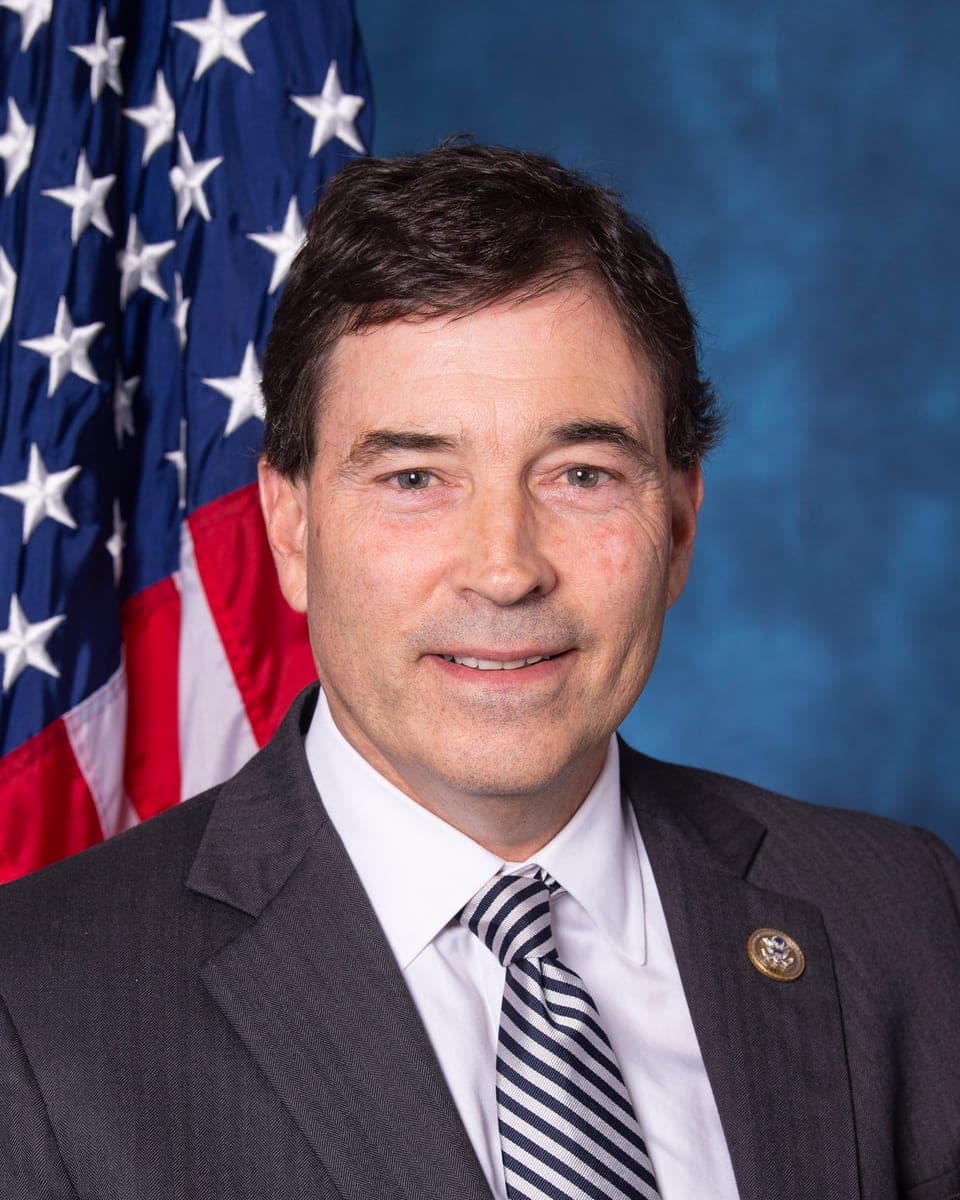
Rep. Balderson’s record: sponsored 25 bills this Congress. 6 passed the House; 0 became law.
- Gus M. BilirakisR-FL-12ORIGINAL
- John JoyceR-PA-13ORIGINAL
- August PflugerR-TX-11ORIGINAL
What readers think
Discussion
Get an alert when it changes stage, gets a floor vote in the House, or is signed into law.