FLAFO Act
Restricts federal use of networked license plate readers and ties Justice Department funding to similar state and local rules.
In two House committees since Sept. 24, 2026, 11 days after it was introduced. Most bills never leave committee.
- INTRODUCEDINTROSEP 24, 2026
- COMMITTEECOMM.IN COMMITTEE
- HOUSEHOUSE—
- SENATESENATE—
- LAWLAW—
What the bill would do, and why it matters
Networked license plate readers can let users search where vehicles have traveled. The bill would generally bar federal agencies from using those systems or obtaining their information without a warrant or a listed exception. It would penalize certain violations and tie Department of Justice funding to similar state and local rules.
- INTRODUCED ONLY This bill has been introduced and possibly referred to a committee, but it has not passed any vote. Most introduced bills never become law — they die in committee without a hearing.
- DATA NOTE No Congressional Research Service summary was available.
- Restricts federal use of covered systems
The bill defines a covered system as an automated license plate reader system that stores or transmits vehicle-location information in a centralized or cross-jurisdictional database, allows searches of historical vehicle locations across jurisdictions, or uses artificial intelligence or machine learning to search for vehicles by characteristics other than a license plate number. Federal agencies generally could not buy, lease, operate, or access such systems, request information from them, or provide information to them.
- Requires warrants for access
A federal agency could access information or request it from a covered system only with a warrant, unless the agency head determines the information is reasonably necessary to find a missing or endangered person, respond to an imminent danger to a person, or investigate a person believed connected to terrorism, espionage, sabotage, or a foreign power.
- Penalizes violations and allows lawsuits
A federal officer or employee who knowingly violates the restrictions could face up to five years in prison, a fine, and a civil penalty of up to $100,000; an affected person could sue for damages and other relief. A covered-system operator that knowingly provides a federal agency unauthorized access or information could also face up to five years in prison, a fine, a civil penalty of up to $100,000, and a lawsuit.
- Conditions Justice Department funding
A state, local government, or Indian Tribe would have to establish and carry out requirements substantially similar to the bill’s rules for its agencies to qualify for Department of Justice funds. The Attorney General would certify compliance annually.
- Exempts specified security operations
The restrictions would not apply to specified Secret Service duties; listed Customs and Border Protection activities, including border security and certain cross-border investigations; or certain security operations by the Departments of Defense, Homeland Security, or Energy at military, Coast Guard, nuclear, or other national security facilities. Related information-sharing for those activities would also be excluded.
The bill cites concerns that networked license plate readers can collect and combine vehicle-location information in ways that reveal a person’s movements, associations, and visits to sensitive places. It says this could threaten constitutional protections for privacy, assembly, and religious exercise.
The bill also seeks to prevent federal support for uses it views as violating constitutional rights. Its funding condition would make adoption of similar safeguards relevant to states, local governments, and Indian Tribes seeking Department of Justice funds.
Written from the bill text.
The path it took, step by step
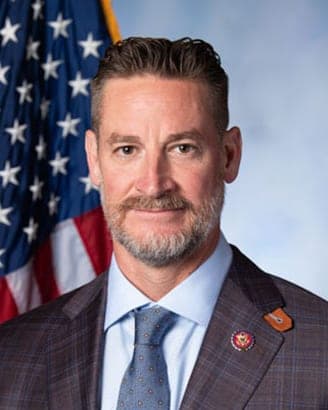
- IntroducedSEP 24, 2026HOUSESEP 24, 2026By Rep. SteubeReferred to Oversight and Government Reform and Judiciary
- SAME DAYNOWHouse committeesSEP 24, 2026OVERSIGHT & GOVERNMENT REFORM · JUDICIARY NOWSEP 24, 2026In committee for 11 daysNo hearing yet
- 11 DAYS SO FARPassed the House—HOUSE FLOOR—Not scheduled
- Senate committee—SENATE—
- Passed the Senate—SENATE FLOOR—Not scheduled
- Resolve differencesONLY IF NEEDEDBOTH CHAMBERSONLY IF NEEDEDSkipped if the other chamber passes the same text
- Signed into law—PRESIDENT—10 days to sign or veto
- SEP 242026SEP 24, 2026REFERREDReferred to the Committee on Oversight and Government Reform, and in addition to the Committee on the Judiciary, for a period to be subsequently determined by the Speaker, in each case for consideration of such provisions as fall within the jurisdiction of the committee concerned.
- SEP 242026SEP 24, 2026INTRODUCEDHOUSEIntroduced in House
At day 11, this bill is already older than 3% of the laws passed this Congress were when they were signed.
Where your members stand on it
Support from one state
Plus the sponsor, a Republican. Every cosponsor is from one party.
Plus the sponsor, a Republican. Every cosponsor is from one party.
Rep. Steube’s record: sponsored 115 bills this Congress. 4 passed the House; 1 became law.
- Anna Paulina LunaR-FL-13OCT 1, 2026
What readers think
Discussion
Get an alert when it changes stage, gets a floor vote in the House, or is signed into law.