Stop Wall Street Looting Act
Makes private investment funds share more company liabilities and adds worker, tax, labor and investor protections.
In four House committees since Sept. 24, 2026, 11 days after it was introduced. Most bills never leave committee.
- INTRODUCEDINTROSEP 24, 2026
- COMMITTEECOMM.IN COMMITTEE
- HOUSEHOUSE—
- SENATESENATE—
- LAWLAW—
What the bill would do, and why it matters
When an investment fund buys a company, decisions about debt, payouts and bankruptcy can affect workers, customers and investors. The bill would make controlling funds share certain company liabilities and limit some payouts and transfers. It would also change bankruptcy protections, tax and labor rules, and requirements for fund disclosures and risky corporate debt.
- INTRODUCED ONLY This bill has been introduced and possibly referred to a committee, but it has not passed any vote. Most introduced bills never become law — they die in committee without a hearing.
- DATA NOTE No Congressional Research Service summary was available.
- Make controlling funds share company liabilities
A private fund that controls an acquired company, and people with an active role in that fund, would be jointly responsible for the company’s and its affiliates’ liabilities. These could include acquisition debt, government penalties, certain worker-notice violations, and pension obligations.
- Limit payouts and challenge transfers
For four years after a fund takes control, an acquired company could not make capital distributions or similarly reduce its equity; the bill also limits certain later distributions and outsourcing tied to relocating work overseas. It would make some transfers easier to challenge in bankruptcy, including by creating a presumption of insolvency for specified transactions and allowing a lookback of up to 15 years.
- Give workers greater protection in bankruptcy
The bill would raise the bankruptcy priority limit for certain wages and benefit-plan contributions to $20,000, remove the current 180-day limit for specified claims, and give certain severance and employee-benefit claims priority. It would also restrict special payments to executives and other highly paid workers, and direct bankruptcy courts to weigh job preservation and employment terms when approving asset sales.
- Change tax and health care rules
The bill would impose a surtax on certain payments from controlled companies to investment firms and change business-interest deduction rules for certain businesses owned by private funds. It would also change tax rules for real estate investment trusts and bar certain entities from Federal health care program payments after they sell assets to, or newly pledge assets for a loan with, a real estate investment trust.
- Protect striking workers and restrict public aid
The bill would prohibit employers from permanently replacing striking workers, discriminating against workers because of strike activity, or using a lockout to influence bargaining before a strike. A covered fund receiving Federal or State funds would have to disclose information about the money and its owners, and could not acquire a company or distribute money to shareholders for two years.
- Expand fund disclosures and debt safeguards
The bill includes sections on private-fund fees and returns, fiduciary duties, fund marketing, non-bank lending and private credit, and risk-retention requirements for securitized corporate debt. The text also includes sections on gift-card purchasers and commercial real estate; their details are not included in the readable portion.
The bill cites concerns that fund-owned companies can take on heavy debt and lose assets, leaving workers, customers and communities to bear losses when a company fails. It also says that workers may lose wages, benefits and promised severance in bankruptcy, while fund performance and fees can be difficult for investors to assess.
The bill’s findings also point to concerns about risky debt being packaged and sold to investors. The changes would affect who bears the cost when controlled companies fail, how workers and creditors fare in bankruptcy, and what information investors can obtain.
Written from an excerpt of the bill text.
The path it took, step by step
- IntroducedSEP 24, 2026HOUSESEP 24, 2026By Rep. Pocan with 8 original cosponsorsReferred to Education and Workforce, Financial Services, Judiciary and Ways and Means
- SAME DAYNOWHouse committeesSEP 24, 2026EDUCATION & WORKFORCE · FINANCIAL SERVICES +2 NOWSEP 24, 2026In committee for 11 daysNo hearing yet
- 11 DAYS SO FARPassed the House—HOUSE FLOOR—Not scheduled
- Senate committee—SENATE—
- Passed the Senate—SENATE FLOOR—Not scheduled
- Resolve differencesONLY IF NEEDEDBOTH CHAMBERSONLY IF NEEDEDSkipped if the other chamber passes the same text
- Signed into law—PRESIDENT—10 days to sign or veto
- SEP 242026SEP 24, 2026REFERREDReferred to the Committee on Ways and Means, and in addition to the Committees on Financial Services, the Judiciary, and Education and Workforce, for a period to be subsequently determined by the Speaker, in each case for consideration of such provisions as fall within the jurisdiction of the committee concerned.
- SEP 242026SEP 24, 2026INTRODUCEDHOUSEIntroduced in House
At day 11, this bill is already older than 3% of the laws passed this Congress were when they were signed.
Where your members stand on it
A coalition from 7 states
Plus the sponsor, a Democrat. Every cosponsor is from one party.
Plus the sponsor, a Democrat. Every cosponsor is from one party.
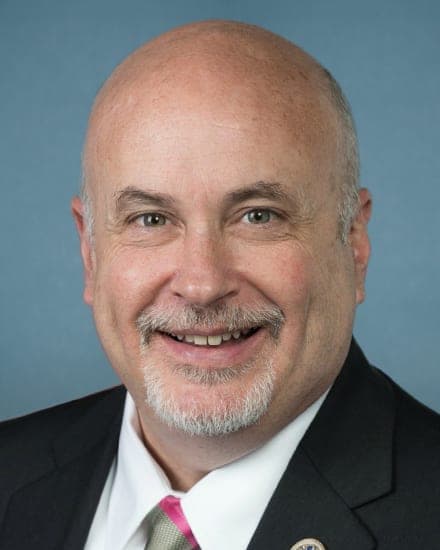
Rep. Pocan’s record: sponsored 26 bills this Congress. 0 passed the House; 0 became law.
- Chuy GarcíaD-IL-4ORIGINAL
- Pramila JayapalD-WA-7ORIGINAL
- Greg LandsmanD-OH-1ORIGINAL
- Eleanor Holmes NortonD-DC-ALORIGINAL
- Alexandria Ocasio-CortezD-NY-14ORIGINAL
- Ilhan OmarD-MN-5ORIGINAL
- Delia C. RamirezD-IL-3ORIGINAL
- Rashida TlaibD-MI-12ORIGINAL
What readers think
Discussion
Get an alert when it changes stage, gets a floor vote in the House, or is signed into law.