Surge to Save Newborns Act
Creates federal grants to help states implement newborn screening for conditions on the recommended uniform screening panel.
In the House Energy and Commerce Committee since Sept. 24, 2026, 11 days after it was introduced. Most bills never leave committee.
- INTRODUCEDINTROSEP 24, 2026
- COMMITTEECOMM.IN COMMITTEE
- HOUSEHOUSE—
- SENATESENATE—
- LAWLAW—
What the bill would do, and why it matters
Newborn screening tests infants for certain conditions. The bill would create federal grants to help states implement screening for conditions on the recommended uniform screening panel. It would also require reports to Congress on state screening efforts and the grants’ effectiveness.
- INTRODUCED ONLY This bill has been introduced and possibly referred to a committee, but it has not passed any vote. Most introduced bills never become law — they die in committee without a hearing.
- DATA NOTE No Congressional Research Service summary was available.
- Create grants for newborn screening
The Secretary of Health and Human Services would provide grants to states for timely implementation of screening for conditions on the federal recommended uniform screening panel. Eligible applicants would be a state’s chief executive officer for health or designee, or a state government agency.
- Provide grant funding
The bill would appropriate $35,000,000 for each of fiscal years 2027 through 2031 for the grants. The money would remain available until expended.
- Report screening progress to Congress
The Secretary would report each state’s implementation of screening for panel conditions, identify conditions not yet screened in each state, evaluate the grants, and recommend legislative or administrative action.
The bill is aimed at helping states put newborn screening for federally recommended conditions into practice. Its required state-by-state reports would identify which conditions are not yet being screened for in each state and assess whether the grants are effective.
Written from the bill text.
The path it took, step by step
- IntroducedSEP 24, 2026HOUSESEP 24, 2026By Rep. Langworthy with 11 original cosponsorsReferred to Energy and Commerce
- SAME DAYNOWHouse committeeSEP 24, 2026ENERGY & COMMERCE NOWSEP 24, 2026In committee for 11 daysNo hearing yet
- 11 DAYS SO FARPassed the House—HOUSE FLOOR—Not scheduled
- Senate committee—SENATE—
- Passed the Senate—SENATE FLOOR—Not scheduled
- Resolve differencesONLY IF NEEDEDBOTH CHAMBERSONLY IF NEEDEDSkipped if the other chamber passes the same text
- Signed into law—PRESIDENT—10 days to sign or veto
- SEP 242026SEP 24, 2026REFERREDHOUSEReferred to the House Committee on Energy and Commerce.
- SEP 242026SEP 24, 2026INTRODUCEDHOUSEIntroduced in House
At day 11, this bill is already older than 3% of the laws passed this Congress were when they were signed.
Where your members stand on it
A coalition from 8 states
Plus the sponsor, a Republican. The smaller side has 7 members.
Plus the sponsor, a Republican. The smaller side has 7 members.
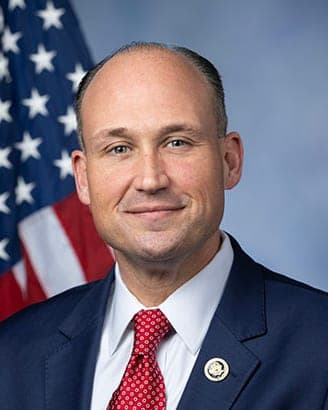
Rep. Langworthy’s record: sponsored 50 bills this Congress. 9 passed the House; 0 became law.
- Troy BaldersonR-OH-12ORIGINAL
- Nanette Diaz BarragánD-CA-44ORIGINAL
- Tom BarrettR-MI-7ORIGINAL
- Gus M. BilirakisR-FL-12ORIGINAL
- Yvette D. ClarkeD-NY-9ORIGINAL
- Brian K. FitzpatrickR-PA-1ORIGINAL
- Laura GillenD-NY-4ORIGINAL
- Josh GottheimerD-NJ-5ORIGINAL
- Jimmy PanettaD-CA-19ORIGINAL
- Kim SchrierD-WA-8ORIGINAL
- Claudia TenneyR-NY-24ORIGINAL
- Mike HaridopolosR-FL-8SEP 28, 2026
What readers think
Discussion
Get an alert when it changes stage, gets a floor vote in the House, or is signed into law.