Workforce Opportunities for Communities in Recovery Act
Creates workforce grants to help communities address substance use disorder’s effects on workers, employers, and care-related occupations.
In the House Education and Workforce Committee since Sept. 24, 2026, 14 days after it was introduced. Most bills never leave committee.
- INTRODUCEDINTROSEP 24, 2026
- COMMITTEECOMM.IN COMMITTEE
- HOUSEHOUSE—
- SENATESENATE—
- LAWLAW—
What the bill would do, and why it matters
Communities affected by substance use disorder may need job support for affected workers and workers trained to provide related services. The proposal would create competitive grants for workforce boards and community partners to provide job training, employer connections, and recovery-related support. It would also require quarterly reports and an independent study of the program’s effect on employment.
- INTRODUCED ONLY This bill has been introduced and possibly referred to a committee, but it has not passed any vote. Most introduced bills never become law — they die in committee without a hearing.
- DATA NOTE No Congressional Research Service summary was available.
- Create grants for recovery-related workforce needs
The Secretary would award competitive grants to state or local workforce boards working with partners in communities significantly affected by substance use disorder. Each grant would last two years, with awards distributed as fairly as practicable by geography and the severity of local impacts.
- Serve affected workers and future care workers
Partnerships could serve workers affected by widespread substance use disorder, including people who are unemployed, underemployed, or new to the workforce. They could also serve workers training for occupations that support people with substance use disorder or at risk of developing it.
- Combine job training with employer and recovery support
Grant-funded activities could connect employers and workers to training and jobs, provide career services, and offer recovery-related support such as outpatient treatment or peer support. Partnerships would coordinate supportive services with career services to help participants maintain employment and recovery.
- Require reporting and an independent evaluation
Grant recipients would report quarterly, and an independent evaluation would assess the program’s effect on employment for people with substance use disorders. The evaluation would use random assignment when possible, or another reliable research method when it is not.
The proposal responds to the possibility that widespread substance use disorder can coincide with economic downturns, depressed local conditions, or high unemployment, and that communities may lack workers and facilities to provide related services. Applicants would have to document local impacts and, for grants serving workers preparing for care-related occupations, show a workforce shortage.
The practical stakes are whether workforce programs can help affected workers find or keep jobs while also building the workforce that supports treatment and recovery.
Written from the bill text.
The path it took, step by step
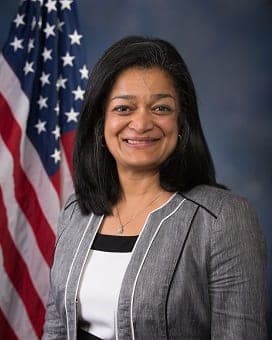
- IntroducedSEP 24, 2026HOUSESEP 24, 2026By Rep. Jayapal with 1 original cosponsorReferred to Education and Workforce
- SAME DAYNOWHouse committeeSEP 24, 2026EDUCATION & WORKFORCE NOWSEP 24, 2026In committee for 14 daysNo hearing yet
- 14 DAYS SO FARPassed the House—HOUSE FLOOR—Not scheduled
- Senate committee—SENATE—
- Passed the Senate—SENATE FLOOR—Not scheduled
- Resolve differencesONLY IF NEEDEDBOTH CHAMBERSONLY IF NEEDEDSkipped if the other chamber passes the same text
- Signed into law—PRESIDENT—10 days to sign or veto
- SEP 242026SEP 24, 2026REFERREDHOUSEReferred to the House Committee on Education and Workforce.
- SEP 242026SEP 24, 2026INTRODUCEDHOUSEIntroduced in House
At day 14, this bill is already older than 3% of the laws passed this Congress were when they were signed.
Where your members stand on it
Support from one state
Plus the sponsor, a Democrat. Every cosponsor is from one party.
Plus the sponsor, a Democrat. Every cosponsor is from one party.
Rep. Jayapal’s record: sponsored 51 bills this Congress. 1 passed the House; 0 became law.
- Rick LarsenD-WA-2ORIGINAL
What readers think
Discussion
Get an alert when it changes stage, gets a floor vote in the House, or is signed into law.