Skilled JOBS Act
Requires apprenticeship programs to employ journeyworkers alongside apprentices and sets standards for industry-recognized programs.
In the House Education and Workforce Committee since Sept. 24, 2026, 11 days after it was introduced. Most bills never leave committee.
- INTRODUCEDINTROSEP 24, 2026
- COMMITTEECOMM.IN COMMITTEE
- HOUSEHOUSE—
- SENATESENATE—
- LAWLAW—
What the bill would do, and why it matters
Apprenticeships combine paid work with training for skilled jobs. The bill would require registered and industry-recognized programs to employ journeyworkers alongside apprentices, and would set minimum features for industry-recognized programs. It would also require a study of the staffing rule's effects on safety and cost.
- INTRODUCED ONLY This bill has been introduced and possibly referred to a committee, but it has not passed any vote. Most introduced bills never become law — they die in committee without a hearing.
- DATA NOTE No Congressional Research Service summary was available.
- Sets a journeyworker-to-apprentice ratio
Registered apprenticeships and industry-recognized apprenticeship programs would have to employ at least 1 journeyworker for every 3 apprentices. After studying the rule, the Secretary of Labor could require fewer journeyworkers.
- Creates industry program recognition standards
The Secretary would establish a process for recognizing standards recognition entities. Those entities would set minimum requirements for industry-recognized apprenticeship programs, including paid work, on-the-job learning, mentorship, classroom instruction, a written development plan and agreement, safety and supervision, and an industry-recognized credential.
- Studies the ratio's effects
The Secretary would study how the journeyworker requirement affects apprentice safety and program costs, and whether it should be changed. The study would inform whether the Secretary reduces the required ratio.
The practical stakes are apprentice safety and the cost of operating apprenticeship programs. The bill would set a staffing floor while requiring a study of whether that floor affects safety or costs, and allowing the Secretary to reduce it after the study.
Written from the bill text.
The path it took, step by step
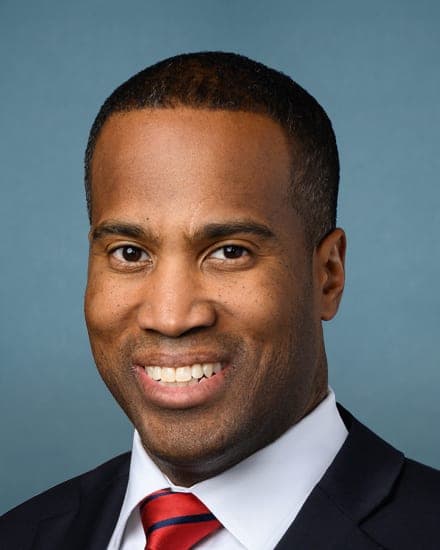
- IntroducedSEP 24, 2026HOUSESEP 24, 2026By Rep. JamesReferred to Education and Workforce
- SAME DAYNOWHouse committeeSEP 24, 2026EDUCATION & WORKFORCE NOWSEP 24, 2026In committee for 11 daysNo hearing yet
- 11 DAYS SO FARPassed the House—HOUSE FLOOR—Not scheduled
- Senate committee—SENATE—
- Passed the Senate—SENATE FLOOR—Not scheduled
- Resolve differencesONLY IF NEEDEDBOTH CHAMBERSONLY IF NEEDEDSkipped if the other chamber passes the same text
- Signed into law—PRESIDENT—10 days to sign or veto
- SEP 242026SEP 24, 2026REFERREDHOUSEReferred to the House Committee on Education and Workforce.
- SEP 242026SEP 24, 2026INTRODUCEDHOUSEIntroduced in House
At day 11, this bill is already older than 3% of the laws passed this Congress were when they were signed.
Where your members stand on it
What readers think
Discussion
Get an alert when it changes stage, gets a floor vote in the House, or is signed into law.