Karly Rain Wood Act
Creates a national registration, public-information, and notification system for people with repeat violent felony convictions.
In three House committees since Sept. 24, 2026, 11 days after it was introduced. Most bills never leave committee.
- INTRODUCEDINTROSEP 24, 2026
- COMMITTEECOMM.IN COMMITTEE
- HOUSEHOUSE—
- SENATESENATE—
- LAWLAW—
What the bill would do, and why it matters
Communities and law enforcement may need to share information about people convicted of serious crimes. The bill would create a national system of registries and public websites for people meeting its definition of repeat violent felons. It would require them to register where they live, work, or study, keep information updated, and provide information to law enforcement and other listed organizations.
- INTRODUCED ONLY This bill has been introduced and possibly referred to a committee, but it has not passed any vote. Most introduced bills never become law — they die in committee without a hearing.
- DATA NOTE No Congressional Research Service summary was available.
- Create a national repeat-felon system
The Department of Justice would coordinate jurisdiction-wide registries and maintain a national registry and public website. A “repeat violent felon” would generally mean someone with final convictions for at least two qualifying offenses, or for one qualifying offense and one serious drug offense.
- Require lifelong registration and updates
Covered people would register in each jurisdiction where they live, work, or attend school, and initially in a separate jurisdiction where they were convicted. They would keep their information current for life, verify it in person at least every 90 days, and report certain changes in person within 3 business days.
- Publish information and notify organizations
Jurisdictions and the Attorney General would provide public websites searchable by ZIP Code or geographic radius, with specified information withheld, including Social Security numbers and sex-offense victims’ identities. Officials would also send registry information to law enforcement, schools, public housing agencies, child-welfare entities, and other listed organizations or people.
- Set implementation duties and funding consequences
Jurisdictions would have to implement the system by the later of 3 years after enactment or 1 year after the required software is available, with the possibility of two 1-year extensions. The Attorney General could provide implementation grants; a jurisdiction found not to have substantially implemented the requirements could lose 10 percent of specified federal crime-control funding for a fiscal year.
- Cover tribal, military, and border cases
Federally recognized tribes could elect to act as jurisdictions or arrange for other jurisdictions to carry out the requirements. The bill would also provide for registration information about covered people entering the United States or released from military corrections facilities, or convicted by court-martial without confinement.
The bill says its purpose is to protect the public by creating a comprehensive national registration system in response to the attack of Karly Rain Wood. It would link jurisdictional registries and make much of their information publicly searchable.
The system would involve ongoing reporting by covered people and new responsibilities for governments and organizations. The bill also ties federal funding consequences to implementation and authorizes grants to help jurisdictions cover costs.
Written from the bill text.
The path it took, step by step
- IntroducedSEP 24, 2026HOUSESEP 24, 2026By Rep. Flood with 2 original cosponsorsReferred to Armed Services, Natural Resources and Judiciary
- SAME DAYNOWHouse committeesSEP 24, 2026ARMED SERVICES · NATURAL RESOURCES +1 NOWSEP 24, 2026In committee for 11 daysNo hearing yet
- 11 DAYS SO FARPassed the House—HOUSE FLOOR—Not scheduled
- Senate committee—SENATE—
- Passed the Senate—SENATE FLOOR—Not scheduled
- Resolve differencesONLY IF NEEDEDBOTH CHAMBERSONLY IF NEEDEDSkipped if the other chamber passes the same text
- Signed into law—PRESIDENT—10 days to sign or veto
- SEP 242026SEP 24, 2026REFERREDReferred to the Committee on the Judiciary, and in addition to the Committees on Natural Resources, and Armed Services, for a period to be subsequently determined by the Speaker, in each case for consideration of such provisions as fall within the jurisdiction of the committee concerned.
- SEP 242026SEP 24, 2026INTRODUCEDHOUSEIntroduced in House
At day 11, this bill is already older than 3% of the laws passed this Congress were when they were signed.
Where your members stand on it
Support from one state
Plus the sponsor, a Republican. Every cosponsor is from one party.
Plus the sponsor, a Republican. Every cosponsor is from one party.
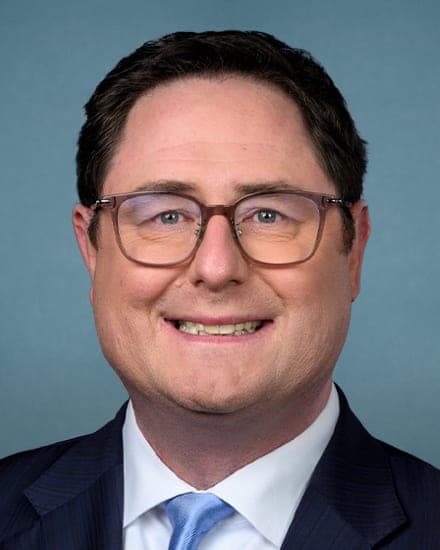
Rep. Flood’s record: sponsored 30 bills this Congress. 5 passed the House; 0 became law.
- Don BaconR-NE-2ORIGINAL
- Adrian SmithR-NE-3ORIGINAL
What readers think
Discussion
Get an alert when it changes stage, gets a floor vote in the House, or is signed into law.