Bills · HR 10551
IN COMMITTEE· 119TH CONGRESS
House BillHR 10551
Public Service Educational Assistance Act
The proposal would establish a federal education benefit for eligible dependents of full-time first responders, educators, and social workers with at least 20 years of service.AI-written
INTRO SEP 24· LAST ACTION SEP 24
PASSAGE CHANCESLONG SHOT
2%
READING
4MIN
COSPONSORS
2BIPARTISAN
READER REACTIONS0 TOTAL
NO VOTES YET · BE THE FIRST
- Introduced only
tl;dr
AI-writtenLong-serving public workers’ dependents could get up to four years of help with tuition, fees, and books. The bill limits who qualifies and where the benefit can be used.
LEGISLATIVE PROGRESS
STEP 2 / 8Introduced
In Committee
Reported
Passed House
Passed Senate
Conference
To President
Became Law
WHAT THE BILL DOES
AI-writtenThe bill would create an education benefit tied to long-term service in specified public jobs. It could reduce eligible families’ tuition, fee, and book costs for up to four academic years, while allowing dependents to use other education aid at the same time.
The benefit would be limited by the bill’s job, service, school, and in-state tuition requirements. The text does not state a funding amount or estimate the program’s cost.
KEY PROVISIONS
5AI-extractedPROVISION 01
Creates an Education Department program for dependents of qualifying public service employees with at least 20 years of service.
It establishes the central eligibility rule for receiving the new education benefit.
PROVISION 02
Assistance covers tuition, fees, and books for up to four academic years at specified public colleges or public education and training programs.
It sets the expenses, school types, and maximum period covered.
PROVISION 03
The assistance may be combined with other federal, state, and local education benefits.
Eligible dependents would not have to give up other listed forms of education aid to receive this assistance.
PROVISION 04
The assistance would be exempt from federal income tax and generally would not count as wages or compensation for retirement or other employment-related benefits.
This describes how the benefit would be treated for taxes and employment-related benefits, subject to other law.
PROVISION 05
The program would take effect one year after enactment, and the Education Secretary would issue regulations to carry it out.
The benefit would not begin immediately upon enactment; the Secretary would also set implementing rules.
SPONSORSHIP
1 + 2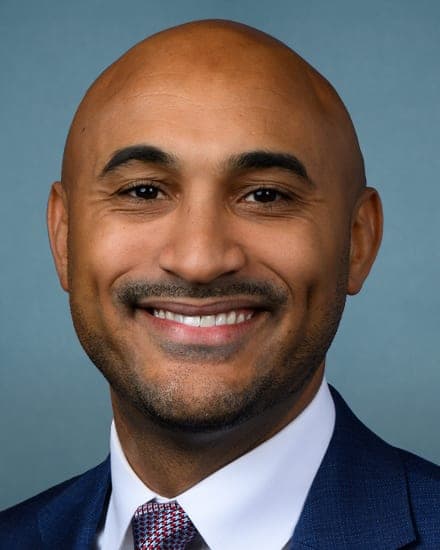
D· Alabama
YRS IN OFFICE
1
BILLS LED
26
COSPONSOR BREAKDOWNBIPARTISAN · 100%
DEM 1 REP 1 IND 0
ACTION TIMELINE
2 EVENTSSEP 24
Referred to the Committee on Education and Workforce, and in addition to the Committee on Ways and Means, for a period to be subsequently determined by the Speaker, in each case for consideration of such provisions as fall within the jurisdiction of the committee concerned.
SEP 24
Introduced in House
BILL INFO
TypeHouse Bill
NumberHR 10551
Congress119th
StatusIn Committee
IntroducedSep 24, 2026
Last actionSep 24, 2026
READER REACTIONS
OVERALL SENTIMENT
No reactions yet. Be the first to weigh in.
Discussion
Loading comments...
IN COMMITTEE· 119TH CONGRESS · WAYS AND MEANS COMMITTEE · INTRODUCED SEP 24, 2026
House BillHR 10551
Public Service Educational Assistance Act
The proposal would establish a federal education benefit for eligible dependents of full-time first responders, educators, and social workers with at least 20 years of service.AI-written
INTRODUCED SEP 24, 2026· LAST ACTION SEP 24, 2026
PASSAGE CHANCES
2%
READING
4 min
COSPONSORS
2
COMPLEXITY
Moderate