PACE Access Improvement Act
Expands access to PACE by allowing enrollment throughout the month, requiring Medicaid coverage for eligible enrollees, and easing rules for provider applications and marketing.
In two House committees since Sept. 24, 2026, 14 days after it was introduced. Most bills never leave committee.
- INTRODUCEDINTROSEP 24, 2026
- COMMITTEECOMM.IN COMMITTEE
- HOUSEHOUSE—
- SENATESENATE—
- LAWLAW—
What the bill would do, and why it matters
PACE is a program that provides coordinated services to eligible people. The bill would let people enroll at any time during the month and require states to provide Medicaid coverage for PACE services after a state-specific deadline. It would also change provider application, site-expansion, and marketing rules.
- INTRODUCED ONLY This bill has been introduced and possibly referred to a committee, but it has not passed any vote. Most introduced bills never become law — they die in committee without a hearing.
- DATA NOTE No Congressional Research Service summary was available.
- Require states to cover PACE services
After a state-specific compliance date, states would have to provide Medicaid assistance for PACE services to eligible people enrolled in a PACE program. The bill would also remove states’ authority to set a numerical enrollment limit under a PACE program agreement.
- Allow enrollment any day
Starting January 1, 2027, eligible individuals could enroll at any time during a month, with coverage effective when the PACE provider receives their signed enrollment agreement. Medicare and states would prorate the provider’s payment for the first month when enrollment begins after the first day.
- Ease provider and site applications
Starting January 1, 2027, providers could apply at any time, including multiple times in one quarter, to become a provider or expand a service area or add a PACE center site. Some qualified providers could add a site in an existing service area by sending a notice instead of an application; covered applications would generally be deemed approved unless the Secretary denies them or requests more information within 45 days.
- Change PACE marketing rules
A program with a complete application to become a provider, expand its service area, or add a center could begin marketing to prospective participants once it submits the application. The bill would allow specified marketing practices and repeal the cited federal regulation.
- Revise provider operating terms
The Secretary, working with the state administering agency, would establish procedures for entering into, extending, and ending PACE program agreements. The bill would make the operating terms for covered providers the same as those for nonprofit private PACE providers.
The bill’s stated purpose is to improve access to PACE and reduce regulatory burdens on providers. Its changes would affect how people enroll, whether states provide Medicaid coverage for PACE services, and how providers open or expand programs.
Written from the bill text.
The path it took, step by step
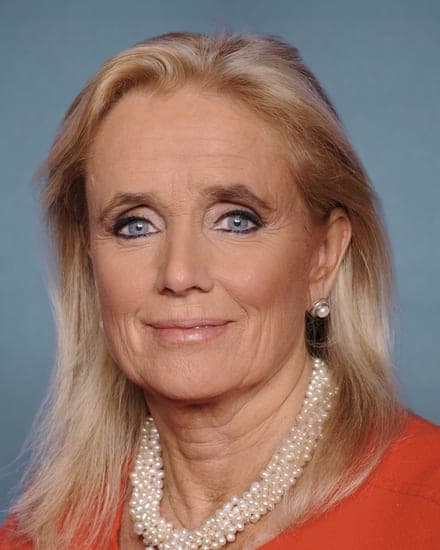
- IntroducedSEP 24, 2026HOUSESEP 24, 2026By Rep. Dingell with 1 original cosponsorReferred to Energy and Commerce and Ways and Means
- SAME DAYNOWHouse committeesSEP 24, 2026ENERGY & COMMERCE · WAYS & MEANS NOWSEP 24, 2026In committee for 14 daysNo hearing yet
- 14 DAYS SO FARPassed the House—HOUSE FLOOR—Not scheduled
- Senate committee—SENATE—
- Passed the Senate—SENATE FLOOR—Not scheduled
- Resolve differencesONLY IF NEEDEDBOTH CHAMBERSONLY IF NEEDEDSkipped if the other chamber passes the same text
- Signed into law—PRESIDENT—10 days to sign or veto
- SEP 242026SEP 24, 2026REFERREDReferred to the Committee on Energy and Commerce, and in addition to the Committee on Ways and Means, for a period to be subsequently determined by the Speaker, in each case for consideration of such provisions as fall within the jurisdiction of the committee concerned.
- SEP 242026SEP 24, 2026INTRODUCEDHOUSEIntroduced in House
At day 14, this bill is already older than 3% of the laws passed this Congress were when they were signed.
Where your members stand on it
Support from one state
Plus the sponsor, a Democrat. Every cosponsor is from one party.
Plus the sponsor, a Democrat. Every cosponsor is from one party.
Rep. Dingell’s record: sponsored 85 bills this Congress. 3 passed the House; 0 became law.
- John R. MoolenaarR-MI-2ORIGINAL
What readers think
Discussion
Get an alert when it changes stage, gets a floor vote in the House, or is signed into law.